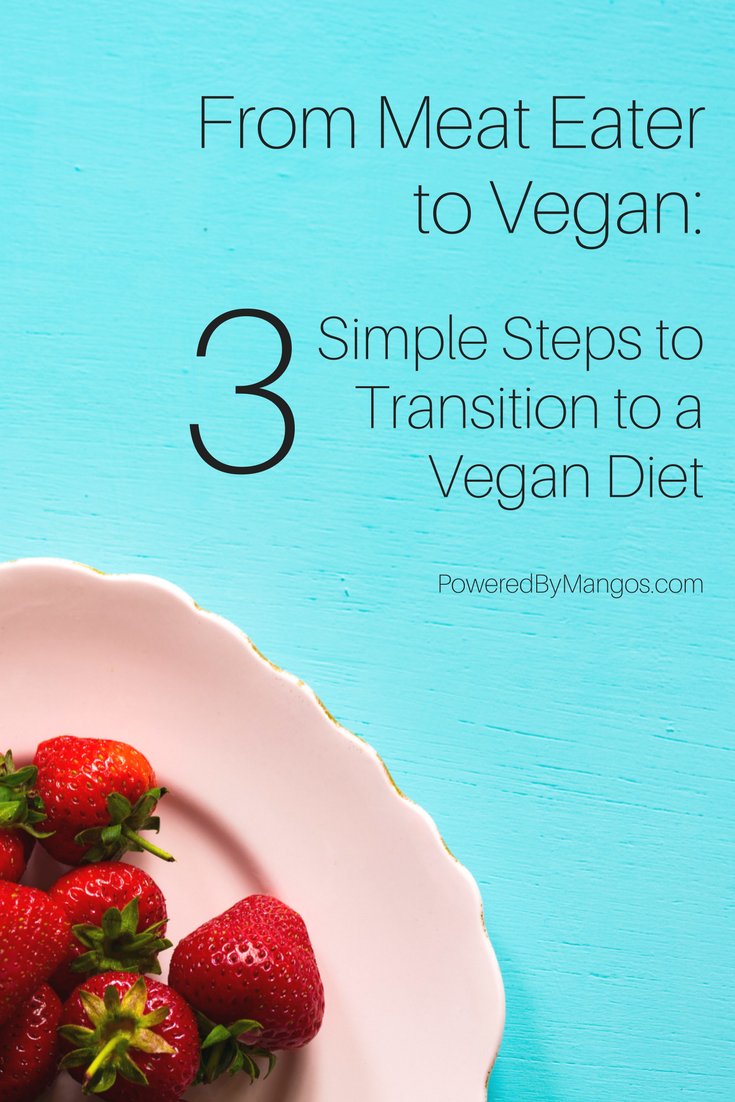
Tips for Transitioning to a Vegetarian Diet
Are you considering transitioning to a vegetarian diet? Whether it’s for ethical, environmental, or health reasons, adopting a vegetarian lifestyle can have numerous benefits. However, making the switch from a meat-based diet to a plant-based one requires some careful planning and consideration. In this article, we will provide you with valuable tips to help make your transition smooth and successful.
1. Educate Yourself
Before embarking on any dietary change, it is important to educate yourself about the principles of vegetarianism and its various forms. Understanding the different types of vegetarians—such as lacto-vegetarians (who consume dairy), ovo-vegetarians (who eat eggs), or vegans (those who avoid all animal products)—will help you determine which approach best aligns with your preferences and values.
Additionally, read up on nutrition basics for vegetarians. Ensure that you understand how to obtain essential nutrients like protein, iron, calcium, vitamin B12, omega-3 fatty acids, and zinc from plant sources. This knowledge will empower you to make informed food choices that meet your nutritional needs.
2. Take It Slow
Transitioning overnight from a carnivorous diet to strict vegetarianism can be challenging both physically and mentally. Instead of rushing into it headfirst, consider taking gradual steps towards becoming fully vegetarian.
You may choose to start by designating certain days of the week as “meatless” days or by eliminating specific types of meat first (e.g., red meat) before cutting out others entirely. Experiment with new recipes and explore diverse cuisines that naturally emphasize plant-based ingredients.
By easing into the process gradually instead of abruptly giving up all animal products at once, you are more likely to stick with your new dietary choices in the long run.
3. Focus on Whole Foods
A common misconception about vegetarian diets is that they solely consist of processed foods like faux meats and cheese substitutes. However, for optimal health, it is crucial to base your diet on whole, unprocessed foods.
Fill your plate with a variety of fruits, vegetables, legumes (such as beans and lentils), whole grains, nuts, and seeds. These plant-based foods are rich in essential nutrients and fiber while being low in saturated fat and cholesterol.
Remember that the goal of adopting a vegetarian lifestyle is not simply to eliminate meat from your diet but also to embrace a more wholesome approach to eating.
4. Experiment with Plant-Based Proteins
One concern people often have when transitioning to a vegetarian diet is getting enough protein. While meat is indeed a concentrated source of this macronutrient, many plant-based alternatives can provide ample amounts of protein as well.
Incorporate sources like tofu, tempeh, seitan (wheat gluten), legumes (beans and lentils), quinoa, chia seeds, hemp seeds, and edamame into your meals. These options offer complete proteins or complementary combinations that supply all the essential amino acids your body needs.
Don’t be afraid to experiment with new recipes or try different types of cuisine that traditionally use plant-based proteins as their mainstay. This will help you discover exciting flavors while ensuring you meet your nutritional requirements.
5. Get Creative in the Kitchen
Transitioning to a vegetarian diet opens up an entirely new world of culinary possibilities. Embrace the challenge by exploring various cooking techniques and experimenting with diverse ingredients.
Investing in some vegetarian cookbooks or following recipe blogs can be incredibly helpful during this transition phase. You’ll find inspiration for quick weeknight dinners as well as extravagant meals for special occasions—all centered around plants!
Additionally, don’t shy away from trying out meat substitutes if they suit your taste preferences. Many brands offer delicious veggie burgers or sausages made from soy or other plant-based protein sources that closely mimic the taste and texture of meat.
6. Plan Your Meals
To ensure a successful transition, it’s essential to plan your meals ahead of time. This practice will help you avoid falling back on old habits or reaching for unhealthy convenience foods.
Spend some time each week planning your meals and creating a shopping list that includes all the necessary ingredients. Having a well-stocked pantry with staples like whole grains, canned beans, and various spices will make meal preparation easier.
Consider batch cooking large quantities of vegetarian dishes to have leftovers for busy days when you might be tempted to resort to quick-fix options. Meal prepping can save you time and effort while ensuring that you always have nutritious plant-based meals ready to go.
7. Seek Support
Transitioning to a vegetarian diet is more enjoyable and sustainable when done with support from others who share similar goals or dietary choices. Connect with friends, family members, or online communities where you can exchange ideas, recipes, and experiences.
Attending local vegetarian meetup groups or joining social media platforms dedicated to vegetarianism can provide valuable resources and support during your journey.
8. Be Mindful of Nutrient Intake
While plant-based diets are generally nutrient-rich, there are a few vitamins and minerals that vegetarians should pay particular attention to:
– Vitamin B12: Consider taking a B12 supplement since this vitamin is primarily found in animal products.
– Omega-3 fatty acids: Include sources like flaxseeds, chia seeds, walnuts, hemp seeds, seaweed, or algae-derived supplements in your diet.
– Iron: Plant-based iron sources include dark leafy greens (spinach), lentils, tofu/tempeh (fermented soybean products), quinoa, fortified cereals/breads/pasta.
– Calcium: Opt for calcium-fortified non-dairy milk alternatives (such as almond or soy milk) along with other calcium-rich foods like broccoli and kale.
– Zinc: Include plant-based sources like legumes, whole grains, nuts, and seeds.
If you are concerned about meeting your nutrient needs or have specific dietary requirements due to certain health conditions, consider consulting with a registered dietitian who specializes in vegetarian nutrition.
9. Stay Open-Minded
Transitioning to a vegetarian diet is an ongoing process. Embrace the opportunity to learn, evolve, and adapt along the way. Be open-minded when trying new foods or exploring different approaches within vegetarianism.
Remember that this journey is unique to you; what works for someone else may not work for you. Don’t be too hard on yourself if you encounter setbacks or find it challenging at times. Stay motivated by focusing on the positive impacts your choices have on your health, the environment, and animal welfare.
In conclusion, transitioning to a vegetarian diet can be both exciting and challenging. By educating yourself about nutrition, taking gradual steps towards change, focusing on whole foods, experimenting with plant-based proteins and cooking techniques, planning meals ahead of time, seeking support from like-minded individuals or communities, being mindful of nutrient intake and staying open-minded throughout the process—you are setting yourself up for success in adopting a healthy and sustainable vegetarian lifestyle. Enjoy exploring this vibrant culinary path while nourishing your body and contributing towards a greener planet!

Leave a Reply