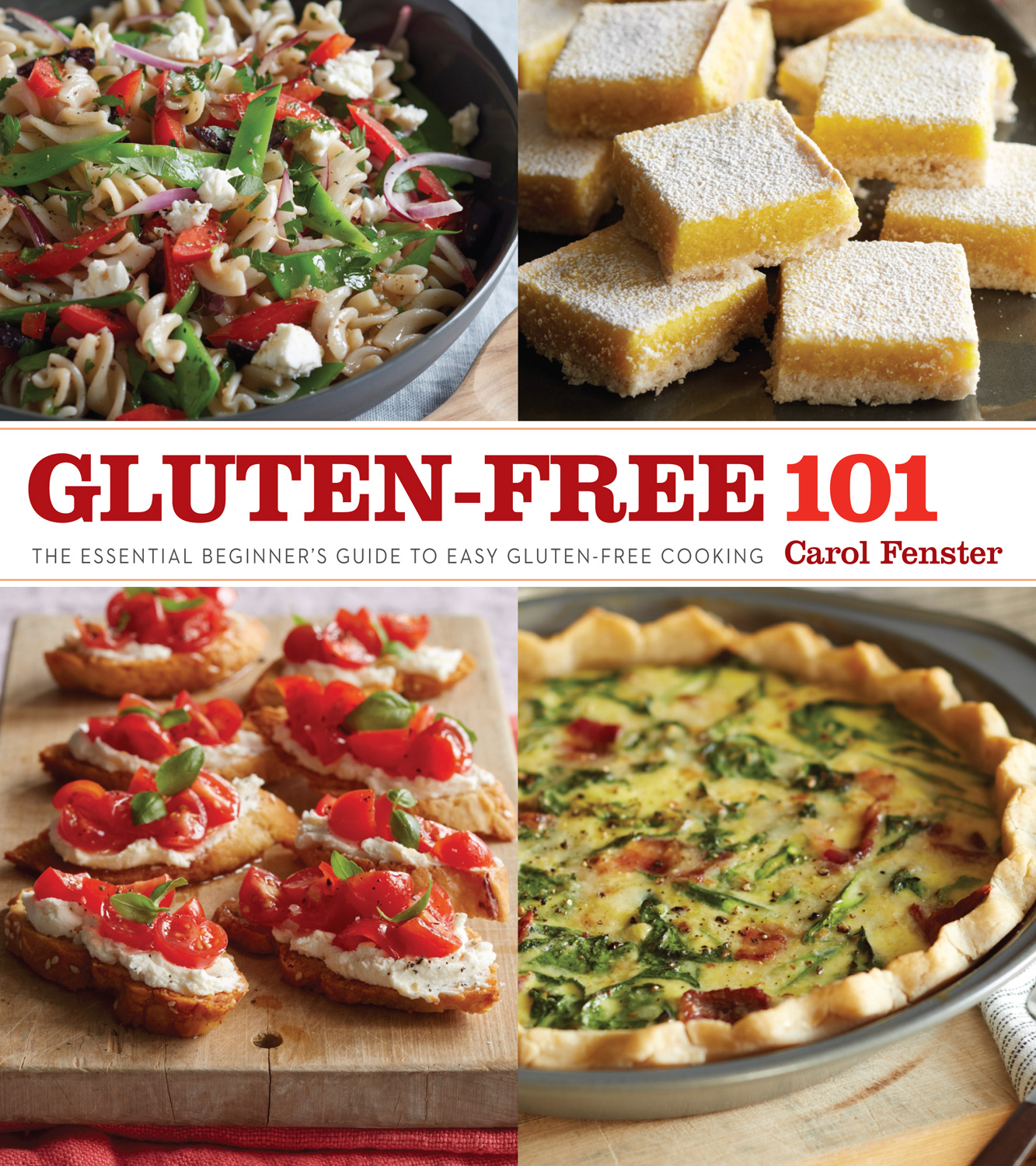
Gluten-Free Cooking Tips: A Guide to Healthy and Delicious Meals
If you or someone you know has been diagnosed with celiac disease or gluten intolerance, adopting a gluten-free diet is essential for maintaining good health. However, navigating the world of gluten-free cooking can be a bit overwhelming at first. Fear not! In this article, we will provide you with some valuable tips and tricks to make your journey into gluten-free cooking both enjoyable and satisfying.
1. Educate Yourself:
Before diving headfirst into gluten-free cooking, it’s important to understand what ingredients contain gluten and where they hide. Common sources of gluten include wheat, barley, rye, and sometimes oats (due to cross-contamination). Familiarize yourself with food labels that may contain hidden sources of gluten such as soy sauce or certain processed foods.
2. Stock Your Pantry:
Building a well-stocked pantry is crucial for successful gluten-free cooking. Make sure to have staples like rice flour, almond flour, tapioca starch, cornstarch, xanthan gum (a binding agent), and baking soda on hand. These ingredients will allow you to create delicious dishes without compromising texture or taste.
3. Experiment with Alternative Flours:
Gluten-free flours are incredibly versatile and open up a whole new world of culinary possibilities. Try experimenting with flavors by using almond flour for nutty undertones or coconut flour for added sweetness in baked goods. Buckwheat flour is another fantastic option that adds depth to pancakes or waffles.
4. Learn about Gluten-Free Substitutes:
When converting your favorite recipes into their gluten-free counterparts, knowing which substitutes work best is key. For example, swap regular pasta for brown rice pasta or zucchini noodles; use lettuce wraps instead of tortillas; opt for quinoa flakes instead of breadcrumbs when making meatballs; replace wheat-based soy sauce with tamari or coconut aminos.
5. Focus on Fresh, Whole Foods:
Aim to include a variety of fresh fruits, vegetables, lean proteins, and healthy fats in your gluten-free meals. By focusing on whole foods rather than processed alternatives, you’ll not only ensure optimal nutrition but also enhance the flavors of your dishes naturally.
6. Be Mindful of Cross-Contamination:
To prevent cross-contamination with gluten-containing products, it’s crucial to keep your kitchen clean and organized. Use separate utensils for gluten-free cooking and designate specific areas for preparation. Additionally, invest in separate cutting boards and toaster bags to avoid any accidental contact.
7. Experiment with Gluten-Free Recipes:
The internet is a treasure trove of delicious gluten-free recipes waiting to be discovered! Explore blogs or websites dedicated to gluten-free cooking for inspiration and guidance. Trying out new recipes will help you expand your culinary skills while ensuring a varied diet.
8. Embrace Gluten-Free Baking:
Gluten-free baking can be tricky since traditional wheat-based flours provide elasticity and structure that are absent from most gluten-free options. However, adding xanthan gum or guar gum can help mimic this effect by improving texture and preventing crumbling.
Remember that transitioning into a gluten-free lifestyle takes time and patience; don’t be too hard on yourself if things don’t go perfectly at first! With these tips in hand, you’re well-equipped to embark on an exciting journey into the world of gluten-free cooking – one filled with delicious meals that promote health and wellbeing

Leave a Reply