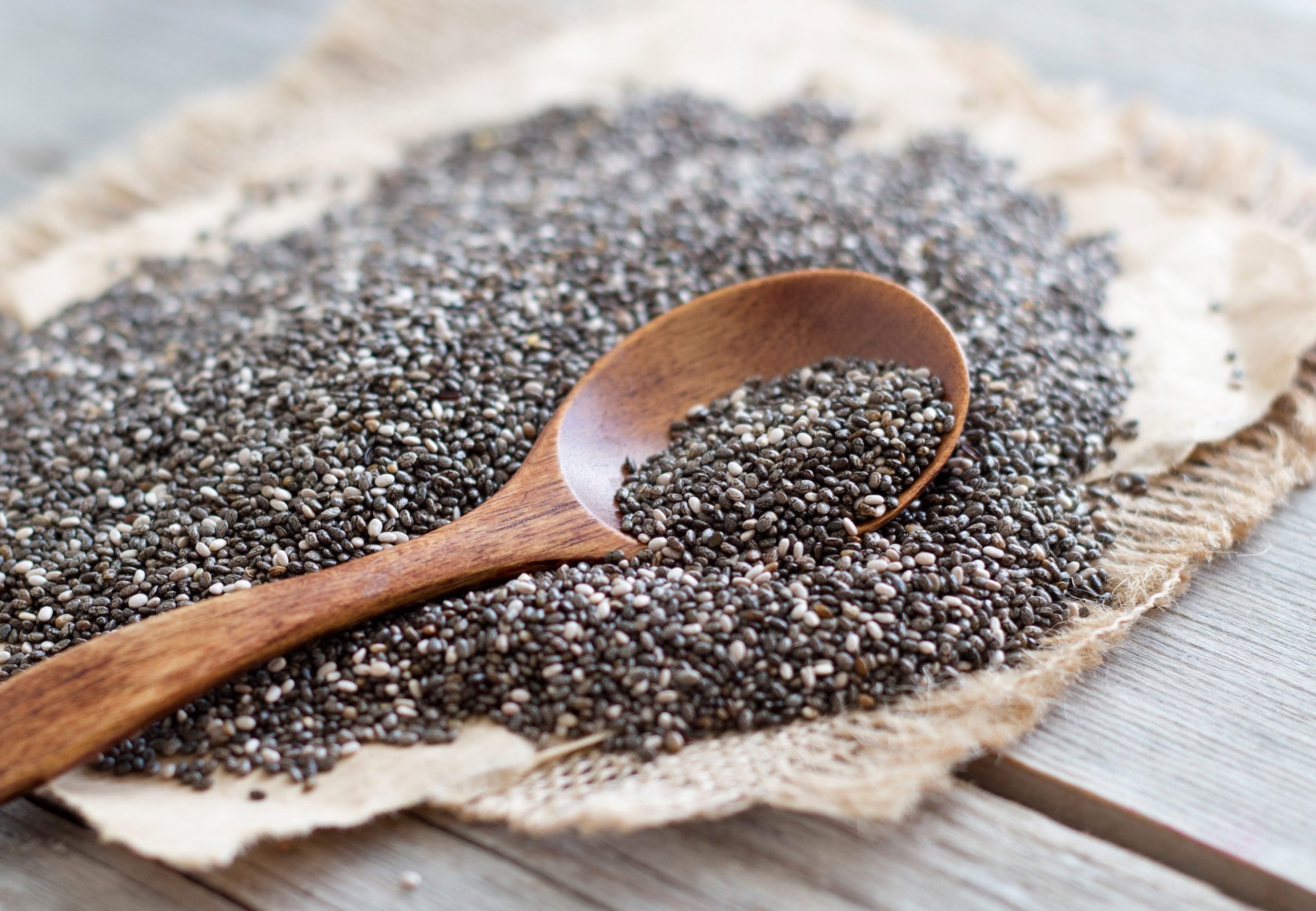
Organic and non-GMO foods have gained significant popularity in recent years, with more people becoming conscious of the potential health and environmental benefits they offer. Chia seeds, in particular, have become a staple in many healthy diets due to their rich nutrient profile and versatility. However, when it comes to purchasing organic or non-GMO chia seeds, there are several financial considerations that you need to keep in mind. In this article, we will explore these considerations to help you make an informed decision while staying within your budget.
1. Understand the Difference:
Before diving into the financial aspects of buying organic or non-GMO chia seeds, it’s essential to understand what these terms mean.
– Organic: Organic products are grown without the use of synthetic pesticides or fertilizers. They must meet specific standards set by regulatory bodies such as the United States Department of Agriculture (USDA).
– Non-GMO: Non-genetically modified organisms (non-GMO) refers to products that do not contain genetically modified organisms (GMOs). These are organisms whose genetic material has been altered through genetic engineering techniques.
2. Compare Prices:
When considering whether to buy organic or non-GMO chia seeds, start by comparing prices between different brands and sources. It’s important not only to compare prices between organic and non-organic varieties but also among different brands offering similar certifications.
3. Assess Your Priorities:
Consider your personal priorities when deciding whether to invest in organic or non-GMO chia seeds. If avoiding GMOs is crucial for you due to concerns about potential health risks or environmental impacts associated with genetically engineered crops, then choosing non-GMO options might be worth the extra cost.
On the other hand, if you prioritize supporting sustainable farming practices and reducing exposure to synthetic pesticides commonly used in conventional agriculture, then investing in certified organic chia seeds could align better with your values.
4. Check Certifications:
Look for certifications on the packaging of chia seed products. In the case of organic chia seeds, certifications like USDA Organic or an equivalent certification from your country’s regulatory body indicate that the product meets specific organic standards.
For non-GMO chia seeds, look for certifications such as Non-GMO Project Verified. This certification ensures that the product has been tested and verified to contain no genetically modified organisms.
5. Consider Local Options:
Exploring local options can often be more cost-effective than buying branded products available in supermarkets or health food stores. Look for farmers’ markets or local producers who might offer organic or non-GMO chia seeds at competitive prices.
6. Bulk Buying:
Consider purchasing chia seeds in bulk quantities to save money in the long run. Many health food stores and online retailers offer discounts when you buy larger quantities of products like chia seeds.
7. DIY Growing:
If you have a green thumb and enjoy gardening, why not try growing your own chia plants? Chia plants are relatively easy to cultivate, and by doing so, you can ensure complete control over their cultivation methods without worrying about pesticides or GMOs.
8. Prioritize High-Quality Sources:
Regardless of whether you choose organic or non-GMO chia seeds, prioritize high-quality sources to get the most out of your purchase. Look for reputable brands with positive customer reviews and transparent sourcing practices.
9. Find Budget-Friendly Alternatives:
If budget constraints make it difficult for you to afford organic or non-GMO options, don’t fret! Remember that conventionally-grown chia seeds are still a healthy addition to any diet due to their natural nutritional properties.
10. Weighing Cost vs Benefit:
Lastly, weigh the costs against the benefits based on your personal circumstances before making a final decision on which type of chia seed is right for you. Keep in mind that investing in your health through high-quality food choices can have long-term benefits that outweigh the initial costs.
In conclusion, when it comes to purchasing organic or non-GMO chia seeds, it’s essential to consider your priorities, compare prices, and evaluate the different certifications available. While organic and non-GMO options may come with a higher price tag, there are still budget-friendly alternatives available. By understanding these financial considerations, you can make an informed decision that aligns with your values and supports your health goals.

Leave a Reply