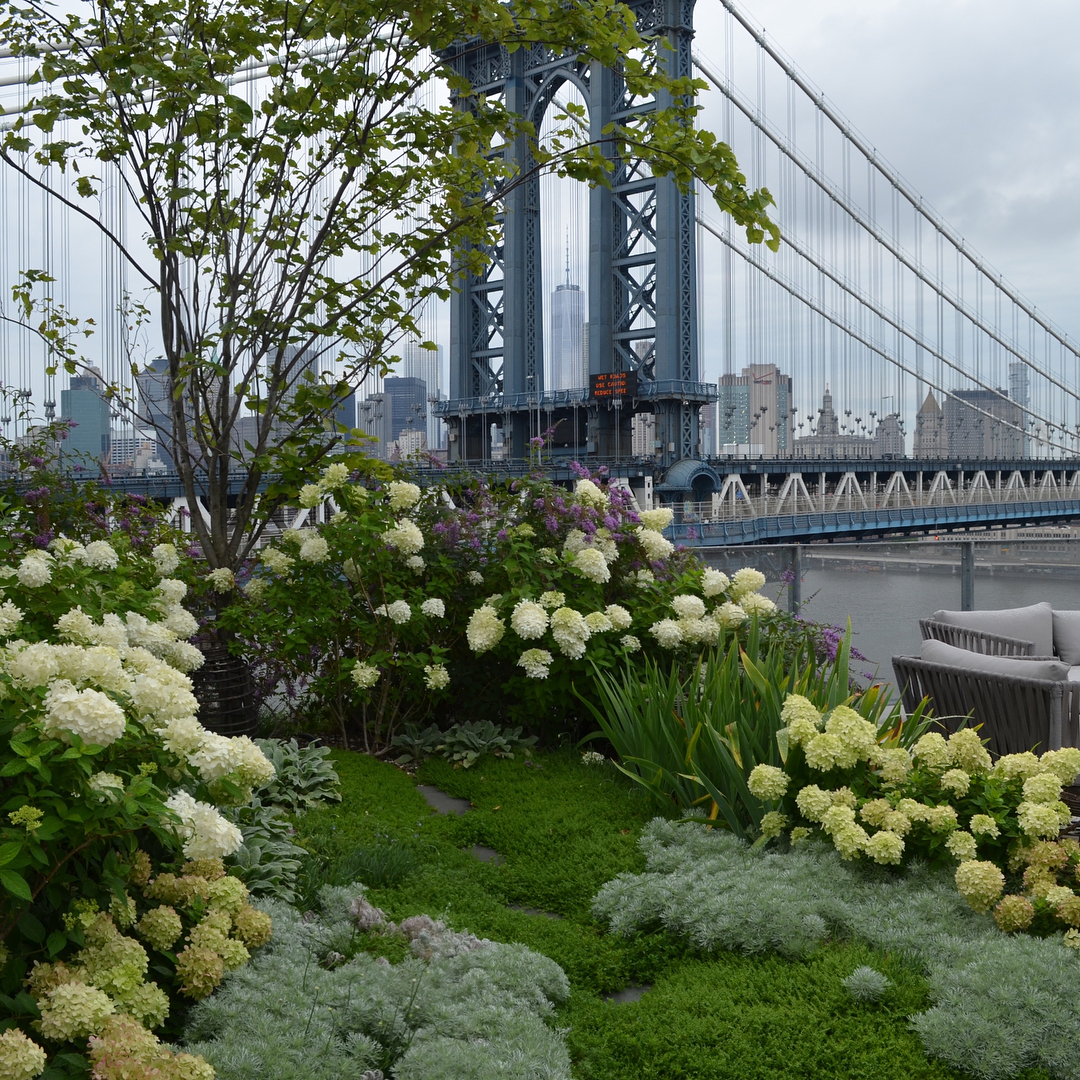
Rooftop Gardens: A Green Oasis in the Urban Jungle
In recent years, there has been a growing trend towards sustainable living and a desire to reconnect with nature. As urban spaces become more crowded, people are looking for innovative ways to incorporate greenery into their lives. One such solution that is gaining popularity is rooftop gardens. These lush and vibrant sanctuaries not only add beauty to our concrete jungles but also provide a host of benefits for both individuals and the environment.
What Are Rooftop Gardens?
Rooftop gardens, as the name suggests, are gardens that are built on rooftops or other elevated structures like terraces or balconies. They can range from small container gardens with potted plants to larger installations featuring trees, shrubs, and even vegetable beds.
Creating a rooftop garden requires careful planning and consideration of various factors such as structural integrity, weight limitations, irrigation systems, and plant selection. However, with proper design and maintenance techniques, these gardens can thrive even in the most challenging urban environments.
The Benefits of Rooftop Gardens
1. Environmental Benefits: One of the primary advantages of rooftop gardens is their positive impact on the environment. These green spaces help mitigate heat island effects by absorbing solar radiation instead of reflecting it back into the atmosphere like traditional rooftops do. This reduces energy consumption for cooling buildings during hot summer months.
Additionally, rooftop gardens act as natural filters by capturing rainwater runoff which would otherwise contribute to pollution in rivers and streams. The plants absorb this water through their roots while releasing oxygen back into the air through photosynthesis.
2. Improved Air Quality: With increasing pollution levels in cities around the world, having access to clean air is becoming more crucial than ever before. Rooftop gardens play a significant role in improving air quality by filtering out pollutants such as carbon dioxide (CO2) and particulate matter from vehicle emissions.
Plants naturally absorb CO2 and release oxygen, which helps combat air pollution. Furthermore, the foliage and soil of rooftop gardens act as a natural filter for airborne pollutants, reducing their concentration in the surrounding area.
3. Urban Heat Island Mitigation: As urban areas expand and concrete structures dominate the landscape, cities become heat islands where temperatures can soar significantly higher than in surrounding rural areas. Rooftop gardens help mitigate this effect by providing shade and evaporative cooling through transpiration.
The plants in these gardens absorb solar radiation and release moisture into the air through their leaves, effectively lowering ambient temperatures. This not only improves the overall comfort of residents but also reduces energy consumption for air conditioning.
4. Increased Biodiversity: Urban environments are often devoid of green spaces, limiting opportunities for wildlife to thrive. Rooftop gardens provide a refuge for birds, bees, butterflies, and other pollinators that play a vital role in maintaining healthy ecosystems.
By incorporating native plant species into rooftop garden designs, we can attract diverse wildlife to these mini-oases within our cities. This promotes biodiversity conservation while creating an opportunity for people to connect with nature on a daily basis.
5. Enhanced Mental Well-being: Numerous studies have shown that exposure to nature has positive effects on mental health and well-being. Rooftop gardens offer city dwellers access to green spaces where they can relax and unwind amidst lush surroundings.
Spending time in nature has been linked to reduced stress levels, improved mood, increased creativity, and enhanced cognitive function. By having access to rooftop gardens either at home or workspaces, individuals can reap these benefits without leaving the city behind.
6. Food Production: Another exciting aspect of rooftop gardening is its potential for food production even in densely populated areas with limited land availability. With careful planning and appropriate plant selection techniques like vertical farming or hydroponics systems, it’s possible to grow herbs,
vegetables
and even small fruit trees on rooftops.
Rooftop gardens provide an opportunity for urban residents to grow their own food, promoting self-sufficiency and reducing reliance on long-distance transportation of produce. This not only reduces carbon emissions associated with food transport but also ensures access to fresh, organic, and locally sourced produce.
Conclusion
Rooftop gardens offer a myriad of benefits that go beyond aesthetics. From environmental advantages like improving air quality and mitigating heat islands to mental well-being enhancements and even food production, these green spaces are transforming our concrete jungles into thriving havens of biodiversity.
By incorporating rooftop gardens into our urban landscapes, we can create sustainable living environments that support both the health of individuals and the planet. So why not turn your rooftop into a green oasis? It’s time to embrace the power of nature in our cities!

Leave a Reply