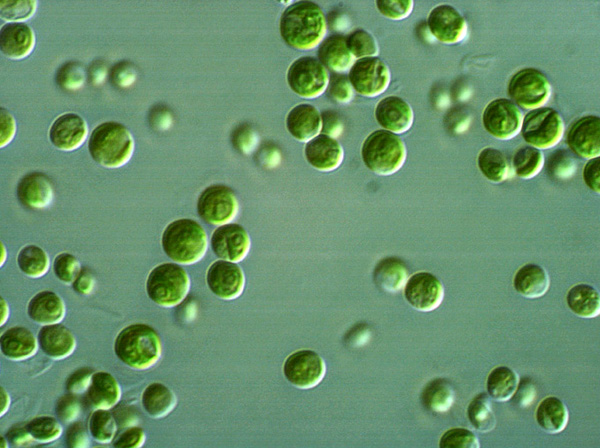
Chlorella: The Algae Powerhouse or Just a Pond Scum Fad?
In the world of health and wellness, we are constantly bombarded with new superfoods that promise to change our lives. From goji berries to kale, there’s always something new on the market that claims to be the key to eternal youth and vitality. One such superfood that has gained quite a following in recent years is chlorella.
Chlorella is a type of algae that grows in freshwater ponds and lakes. It has been touted as a nutritional powerhouse, packed with vitamins, minerals, and antioxidants. But before you start jumping on the chlorella bandwagon, let’s take a closer look at what this so-called “superfood” really has to offer.
First things first, chlorella does indeed have an impressive nutrient profile. It is rich in protein, containing all nine essential amino acids which are crucial for muscle growth and repair. Additionally, it contains various vitamins including vitamin C, vitamin B12, iron, and beta-carotene – all important for maintaining good overall health.
Proponents of chlorella also claim that it detoxifies the body by removing heavy metals and other toxins. While some studies suggest that chlorella may have potential detoxifying effects due to its high chlorophyll content (the pigment responsible for its green color), more research is needed to establish its efficacy.
Another supposed benefit of chlorella is its ability to boost immune function. Some studies have shown that consuming chlorella supplements may enhance certain aspects of immune response; however, these findings are preliminary and need further investigation.
One aspect where chlorella falls short is taste – it’s not exactly known for being delicious. Most people find its strong earthy flavor quite off-putting when consumed alone. To make it more palatable for those brave enough to try it out, many companies now offer flavored versions or incorporate it into smoothie mixes. But if you’re not a fan of the taste, chlorella may not be the best choice for you.
It’s also important to note that while chlorella is generally considered safe for consumption, some individuals may experience digestive discomfort such as gas and bloating. These symptoms usually subside with time as your body adjusts to the supplement, but it’s always advisable to consult with a healthcare professional before starting any new dietary regimen.
Now let’s address the elephant in the room – can chlorella really live up to its lofty claims? The truth is, there isn’t enough scientific evidence available at this time to definitively say whether chlorella is truly a miracle food or just another passing trend. While some studies have shown promising results, many of them are small-scale and lack long-term data.
As with any health trend, it’s important to approach chlorella with caution. It’s easy to get caught up in the hype and start relying solely on one superfood for all of our nutritional needs. However, true health comes from having a well-rounded diet that includes a variety of nutrient-dense foods.
In conclusion, while chlorella does offer some potential benefits due to its nutrient content, it should not be seen as a magic solution for all our health woes. Incorporating it into your diet might provide additional nutrients and potentially support certain aspects of your wellbeing; however, more research is needed before we can truly determine its efficacy. As always, it is important to consult with a healthcare professional before making any significant changes to your diet or introducing supplements like chlorella into your routine.
So go ahead and give chlorella a try if you’re curious – who knows? Maybe this algae powerhouse will become your new favorite addition to your healthy eating regime. Just remember that no single food can replace an overall balanced diet and lifestyle when striving for optimal health!

Leave a Reply