Gluten-Free: Separating Fact from Fiction
In recent years, the term “gluten-free” has become a buzzword in the world of healthy eating. From grocery store shelves to restaurant menus, it seems like gluten-free options are popping up everywhere. But what exactly does it mean to be gluten-free? And is this diet trend really as beneficial as it claims to be?
To understand the concept of a gluten-free diet, we need to start with understanding what gluten is. Gluten is a protein found in wheat, barley, and rye. It gives dough its elasticity and helps baked goods maintain their shape. While most people can consume gluten without any issues, there are some individuals who have celiac disease or non-celiac gluten sensitivity (NCGS) that require them to avoid it.
Celiac disease is an autoimmune disorder where ingesting gluten triggers an immune response that damages the lining of the small intestine. This damage prevents proper nutrient absorption and can lead to various health complications if left untreated. On the other hand, NCGS refers to individuals who experience symptoms similar to those with celiac disease but do not have intestinal damage.
For those with celiac disease or NCGS, following a strict gluten-free diet is essential for maintaining good health and managing symptoms effectively. However, over time this dietary restriction has extended beyond these medical conditions into a popular lifestyle choice for many people looking for improved well-being.
One common misconception about going gluten-free is that it automatically equates to being healthier or losing weight. While removing certain foods containing gluten from your diet may indeed lead to weight loss initially due to reduced calorie intake, this isn’t necessarily exclusive to going completely gluten-free.
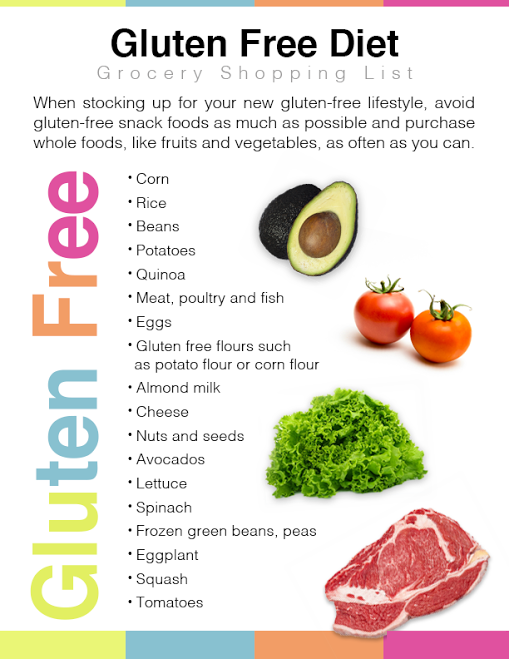
The key lies in making informed choices when adopting any new eating plan – including a gluten-free one – by focusing on whole foods such as fruits, vegetables, lean proteins, and legumes rather than relying solely on processed alternatives labeled “gluten-free.” It’s important to remember that just because a food is gluten-free doesn’t mean it’s automatically healthier. Many gluten-free products on the market are highly processed and may contain added sugars, unhealthy fats, or other additives.
Additionally, eliminating gluten from your diet without proper planning can result in nutrient deficiencies. Whole grains like wheat provide essential vitamins and minerals such as B vitamins, iron, and fiber. If you choose to go gluten-free, it’s crucial to find alternative sources for these nutrients through foods like quinoa, brown rice, buckwheat, and amaranth. Alternatively, consulting with a registered dietitian can help ensure you’re meeting all your nutritional needs.
Another aspect worth considering when adopting a gluten-free lifestyle is the social impact it can have. Dining out becomes more challenging as not all restaurants offer extensive gluten-free options or understand cross-contamination risks adequately. Family gatherings and events may require additional preparation or adjustments to ensure you have safe choices available.
To avoid feeling isolated or restricted by your dietary requirements while still enjoying meals with loved ones or dining out with friends, communication is key. Informing others about your dietary restrictions in advance allows them to accommodate your needs better and avoids any awkward situations during mealtime.
It’s also important not to dismiss individuals who genuinely need a gluten-free diet due to medical reasons by assuming they’re following a trend without reason. Celiac disease affects approximately 1% of the population worldwide (over 3 million people in the United States alone), while NCGS prevalence varies widely depending on estimates.
For those individuals living with celiac disease or NCGS symptoms that improve significantly when following a strict gluten-free diet – including reduced gastrointestinal discomfort, improved energy levels, clearer skin – going gluten-free serves as an essential tool for managing their health effectively.
In conclusion, going completely gluten-free should be approached with careful consideration rather than blindly following the latest trend in healthy eating. If you suspect you may have celiac disease or NCGS, it’s crucial to consult with a healthcare professional for proper diagnosis and guidance.
For those without any medical conditions requiring a gluten-free diet, remember that balance is key when it comes to healthy eating. Opting for whole foods, regardless of their gluten content, should be the focus rather than relying on processed alternatives. By making informed choices and being mindful of your nutritional needs, you can enjoy a well-rounded diet while still accommodating any dietary restrictions that are necessary for maintaining good health.

Leave a Reply