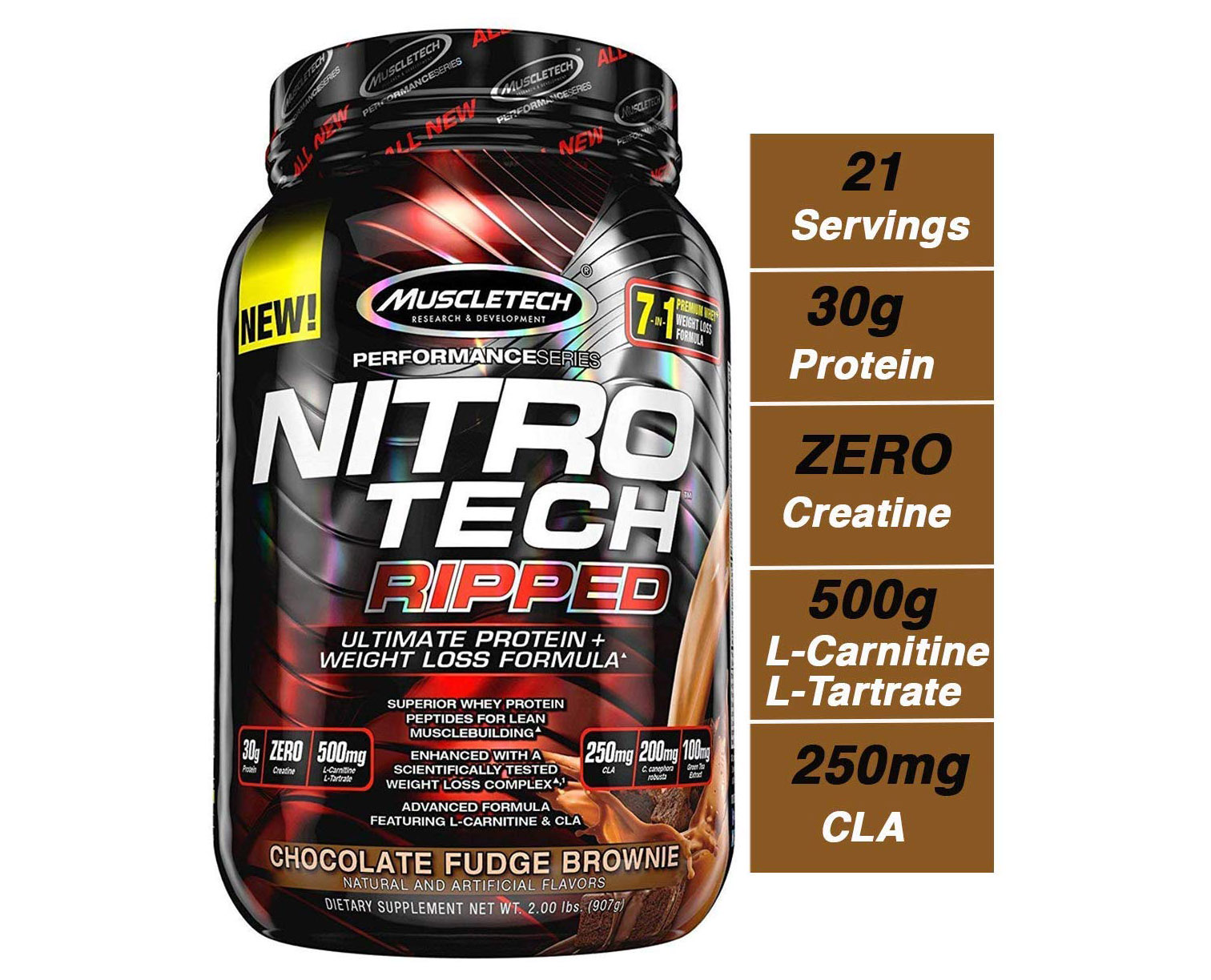
Protein Powder for Muscle Gain: A Comprehensive Guide
If you’re looking to build muscle, chances are you’ve heard about protein powder. It has become increasingly popular among fitness enthusiasts and athletes as a convenient and effective way to boost muscle growth. But with so many options available on the market, it can be overwhelming to choose the right one for your needs. In this article, we’ll provide an overview of protein powder for muscle gain and help you understand how it can benefit your fitness journey.
1. What is Protein Powder?
Protein powder is a dietary supplement that provides a concentrated source of protein derived from various sources such as whey, casein, soy, or plant-based proteins like pea or hemp. It typically comes in powdered form which can easily be mixed with water or other liquids to create a high-protein shake.
2. Benefits of Protein Powder
One of the main benefits of consuming protein powder is its ability to support muscle growth and repair. When you engage in strength training exercises, tiny tears occur in your muscles. Protein helps rebuild these damaged tissues and promote their growth over time. Additionally, protein powder aids in recovery by reducing muscle soreness after intense workouts.
3. Different Types of Protein Powders
The most common types of protein powders are whey, casein, soy, and plant-based proteins like pea or hemp. Whey protein is a complete source of all nine essential amino acids needed for muscle synthesis and is quickly absorbed by the body – making it an ideal choice post-workout. On the other hand, casein protein digests more slowly than whey but provides sustained release throughout the day or night due to its slow absorption rate.
4. Consider Your Dietary Preferences
When choosing a protein powder for muscle gain, consider your dietary preferences and restrictions if any exist – such as lactose intolerance or veganism – as they will determine which type works best for you personally.
5. Timing and Dosage
To maximize the benefits, it’s essential to consume protein powder at the right time and in the appropriate dosage. Many people opt for consuming a protein shake immediately after their workouts to provide their muscles with the necessary nutrients for recovery and growth. The recommended daily intake of protein varies depending on factors such as weight, activity level, and goals. Typically, experts suggest aiming for 0.6-1 gram of protein per pound of body weight.
6. Quality Matters
When purchasing protein powder, prioritize quality over price or branding. Look for products that undergo third-party testing to ensure purity and safety standards are met. Additionally, consider choosing powders free from artificial sweeteners or additives if you prefer a cleaner product.
7. Supplement vs Whole Foods
While protein powder can be a convenient way to meet your protein needs, it is important not to solely rely on supplements alone. Whole foods should always make up the majority of your diet as they offer additional vitamins, minerals, fiber, and other essential nutrients that may be lacking in powdered form.
8. Consultation with a Professional
Before incorporating any new dietary supplement into your routine – including protein powder – it’s advisable to consult with a healthcare professional or registered dietitian who can assess your individual needs and guide you accordingly.
In conclusion, protein powder can be an effective tool in supporting muscle gain when used appropriately alongside regular exercise and a balanced diet comprised of whole foods. Understanding different types of proteins available on the market along with your dietary preferences will help you choose the best option for achieving your fitness goals while considering timing, dosage guidelines, quality assurance measures – ensuring optimal results on your journey towards building lean muscle mass.

Leave a Reply