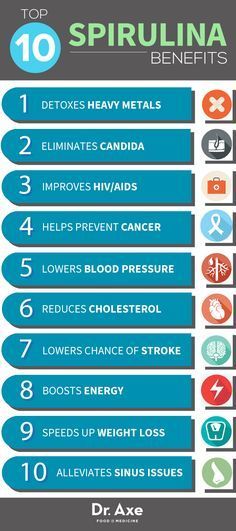
Spirulina, a blue-green algae packed with essential nutrients and health benefits, has gained significant popularity in recent years. However, access to affordable sources of high-quality spirulina remains a challenge for many individuals, particularly those with lower income levels. The relationship between income and access to this superfood highlights the disparities in our food system and raises concerns about equitable access to healthy eating options.
One of the main reasons why spirulina may be less accessible to lower-income individuals is its cost. High-quality spirulina supplements often come with a hefty price tag that puts them out of reach for many people on limited budgets. The production process for cultivating spirulina can also be expensive, which contributes to its higher cost compared to other dietary supplements.
Additionally, the availability of affordable sources of spirulina is limited in low-income communities. Supermarkets and grocery stores in these areas often prioritize stocking basic staples rather than specialized health foods like spirulina. This lack of supply further exacerbates the issue by making it even more challenging for individuals with lower incomes to find affordable options nearby.
Furthermore, knowledge and awareness about the benefits of spirulina are not evenly distributed across different socioeconomic groups. Individuals from higher income brackets might have greater access to resources such as nutritionists or wellness influencers who promote the consumption of superfoods like spirulina. In contrast, those with lower incomes might not have access to similar educational resources or may not be aware of the potential benefits associated with incorporating it into their diet.
Addressing these inequalities requires collective efforts from various stakeholders including government agencies, non-profit organizations, and private businesses. Policies aimed at promoting healthier food options should consider affordability as a key factor so that all individuals regardless of their income level can benefit from nutrient-dense foods like spirulina.
Non-profit organizations can play a crucial role by advocating for improved access to affordable sources of high-quality spirulina within low-income communities. This can be done through initiatives such as community gardens, where spirulina could be cultivated and made available at a lower cost or even for free.
Private businesses can also contribute by exploring innovative production methods that reduce the cost of cultivating spirulina without compromising its quality. By doing so, they can make this superfood more accessible to individuals with limited financial resources.
In conclusion, the relationship between income levels and access to affordable sources of high-quality spirulina highlights the disparities in our food system. Lower-income individuals often face barriers such as higher costs and limited availability when it comes to incorporating this nutrient-rich algae into their diet. Addressing these inequalities requires collective efforts from various stakeholders to ensure equitable access to healthy eating options for all members of society.

Leave a Reply