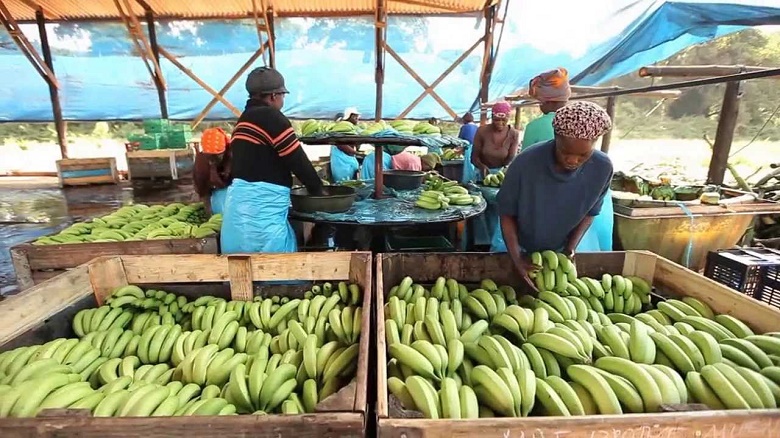
Bananas are one of the most popular and widely consumed fruits in the world. They are not only delicious but also provide numerous health benefits. However, what many people may not realize is that banana production and trade have a significant economic impact on both producing and consuming countries. Let’s take a closer look at how bananas contribute to the global economy.
1. Employment: The banana industry creates employment opportunities for millions of people worldwide. From farmers to plantation workers, packers, shippers, and distributors, the entire supply chain relies heavily on human labor.
2. Income generation: Banana production provides a vital source of income for developing countries where they are grown. Small-scale farmers often rely on bananas as their main cash crop, allowing them to support themselves and their families financially.
3. Foreign exchange earnings: In many banana-producing nations, such as Ecuador, Costa Rica, Colombia, and the Philippines, exports play a crucial role in generating foreign exchange earnings. This revenue helps these countries strengthen their economies and invest in other sectors like education or infrastructure development.
4. Infrastructure development: The growth of the banana industry requires investment in infrastructure like roads, ports, irrigation systems, and storage facilities to ensure efficient transportation and preservation of harvested bananas. This contributes to overall economic development by improving connectivity within rural areas.
5. Tax revenues: Governments collect taxes from various stages of banana production and trade including farming operations, export fees or customs duties when shipping internationally which can be used towards public services such as healthcare or education programs.
6. Job diversification: Beyond direct employment related to growing bananas themselves; there are indirect job opportunities created throughout supporting industries such as packaging manufacturers or logistics companies involved in transporting bananas across borders.
7.Contributing to GDP growth: Bananas make up a significant portion of some country’s Gross Domestic Product (GDP). For instance , in Ecuador it accounts for approximately 3% while accounting for nearly 10% total export revenues.
8. Foreign investment: The profitability and stability of the banana industry attract foreign investors, who inject capital into production facilities, research and development, and technology advancements. This not only creates more job opportunities but also promotes economic growth in the host country.
9. Trade balance: Banana exports contribute to balancing trade deficits for many producing nations by offsetting imports with revenue generated from selling bananas abroad.
10. Economic stability: The banana industry can help stabilize economies that are heavily dependent on agricultural commodities. By diversifying income sources through multiple crops or value-added products derived from bananas such as dried fruit or banana chips, countries can reduce their vulnerability to price fluctuations or market shocks.
11. Rural development: Banana production often takes place in rural areas where poverty rates are high. As a labor-intensive crop, it provides employment opportunities that boost local economies by reducing unemployment rates and improving living conditions for rural communities.
12.Environmental impact: Sustainable practices in banana farming can positively impact the economy by reducing costs associated with chemical inputs while promoting long-term soil productivity and biodiversity conservation.
13.Tourism boost: In some tropical destinations known for their bananas like Costa Rica or Ecuador ,banana plantations have become tourist attractions contributing additional revenue streams through farm tours or agro-tourism activities boosting local economies further
14.Value addition: The processing of bananas into various products such as purees, juices, snacks, and baked goods adds value to this humble fruit. These processed goods create new business opportunities generating even more economic benefits within the supply chain.
15.Food security: Bananas provide an affordable source of nutrition globally due to their high nutrient content and availability throughout the year making them an essential part of food security initiatives worldwide
In conclusion, the economic impact of banana production and trade is significant at both national and global levels. From creating employment opportunities to generating income, foreign exchange earnings to infrastructure development – the journey of a simple yellow fruit has far-reaching implications for economies worldwide.

Leave a Reply