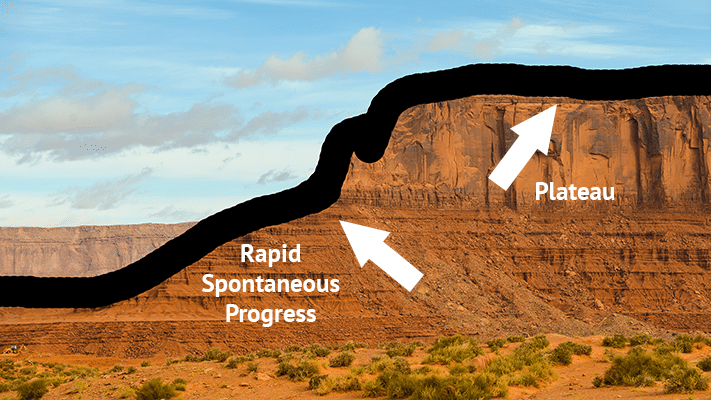
Plateaus: Understanding and Overcoming the Hurdle in Healthy Eating
In the journey towards healthy eating, many individuals encounter a common obstacle known as the plateau. A plateau refers to a stagnant period where weight loss or progress in achieving dietary goals becomes challenging despite continued efforts. It can be discouraging, demotivating, and often leads people to abandon their pursuit of healthy eating altogether. However, understanding what causes plateaus and implementing effective strategies can help individuals overcome this hurdle and continue on their path to wellness.
1. What Causes Plateaus?
Plateaus occur when our bodies adapt to changes in diet and exercise routines over time. Initially, when we make significant alterations to our lifestyle choices, our body responds by shedding excess weight or improving overall health markers. However, as our bodies adapt to these changes, they become more efficient at utilizing energy and preserving resources.
Metabolic adaptations play a crucial role in plateaus. When we consume fewer calories than our body requires for maintenance or burn more calories through increased physical activity, our metabolism adjusts accordingly by slowing down. This reduced metabolic rate means that we burn fewer calories during rest and exercise compared to when we started our healthy eating journey.
Furthermore, hormonal changes can also contribute to plateaus. Hormones like leptin (which regulates hunger) and cortisol (associated with stress) influence appetite control and fat storage mechanisms within the body. As we lose weight or reduce calorie intake consistently over an extended period, hormone levels may fluctuate causing hunger cravings and making it harder to shed those last few pounds.
2. Breaking Through Plateaus
While encountering a plateau is frustrating for anyone striving for better health through proper nutrition, there are several strategies that can help break through this barrier:
a) Reassess Caloric Intake: As our bodies adjust metabolically during a plateau phase, it may be necessary to reassess caloric needs based on current weight rather than initial goals set at the beginning of our healthy eating journey. Adjusting caloric intake can create a calorie deficit, reigniting weight loss.
b) Vary Macronutrient Ratios: Changing macronutrient ratios in our diet can shock our system and stimulate weight loss. For instance, increasing protein intake while reducing carbohydrates may help boost metabolism and reduce hunger cravings.
c) Incorporate Intermittent Fasting: Intermittent fasting involves alternating periods of eating and fasting. This approach has shown promising results in breaking through plateaus by enhancing fat burning processes and promoting cellular repair.
d) Modify Exercise Routine: Our bodies adapt to exercise over time, making it essential to modify workout routines regularly. Incorporating high-intensity interval training (HIIT), strength training, or trying new activities like swimming or cycling can challenge muscles differently and rev up metabolism.
e) Manage Stress Levels: Elevated cortisol levels due to chronic stress can hinder progress towards dietary goals. Implementing stress management techniques such as meditation, yoga, or engaging in hobbies can help regulate hormone levels and promote overall well-being.
f) Prioritize Sleep Quality: Inadequate sleep affects hunger-regulating hormones like leptin and ghrelin, leading to increased appetite during the day. Aim for 7-9 hours of quality sleep each night to support your body’s efforts in achieving optimal health.
g) Stay Hydrated: Drinking enough water is vital for maintaining metabolic function. Studies have shown that drinking water before meals reduces calorie consumption and promotes feelings of fullness, aiding in weight loss efforts.
3. Maintaining Motivation
Navigating through a plateau requires mental fortitude as much as physical adjustments. Here are some tips for staying motivated:
a) Set Non-Scale Goals: Rather than fixating solely on numbers on the scale, set non-scale goals such as improved energy levels, increased strength or endurance during workouts, better mood stability, or enhanced overall well-being.
b) Celebrate Small Wins: Acknowledge and celebrate every victory, no matter how small. Recognize achievements like choosing a healthier snack option or completing a challenging workout. These small wins build momentum and keep motivation high.
c) Seek Support: Surround yourself with a supportive community of like-minded individuals who are also on their own healthy eating journey. Joining online forums, participating in group fitness classes, or seeking professional guidance from nutritionists or dieticians can provide valuable encouragement and accountability.
d) Focus on Long-Term Success: Remember that plateaus are temporary setbacks in the grand scheme of long-term health goals. Emphasize the importance of sustainable lifestyle changes rather than quick fixes for lasting results.
Conclusion:
Plateaus are an inevitable part of any healthy eating journey as our bodies adapt to change over time. By understanding the causes behind plateaus and implementing effective strategies to overcome them, individuals can continue progressing towards their dietary goals while maintaining motivation and achieving long-term success. Remember, perseverance is key when it comes to breaking through these hurdles along the path to optimal health.

Leave a Reply