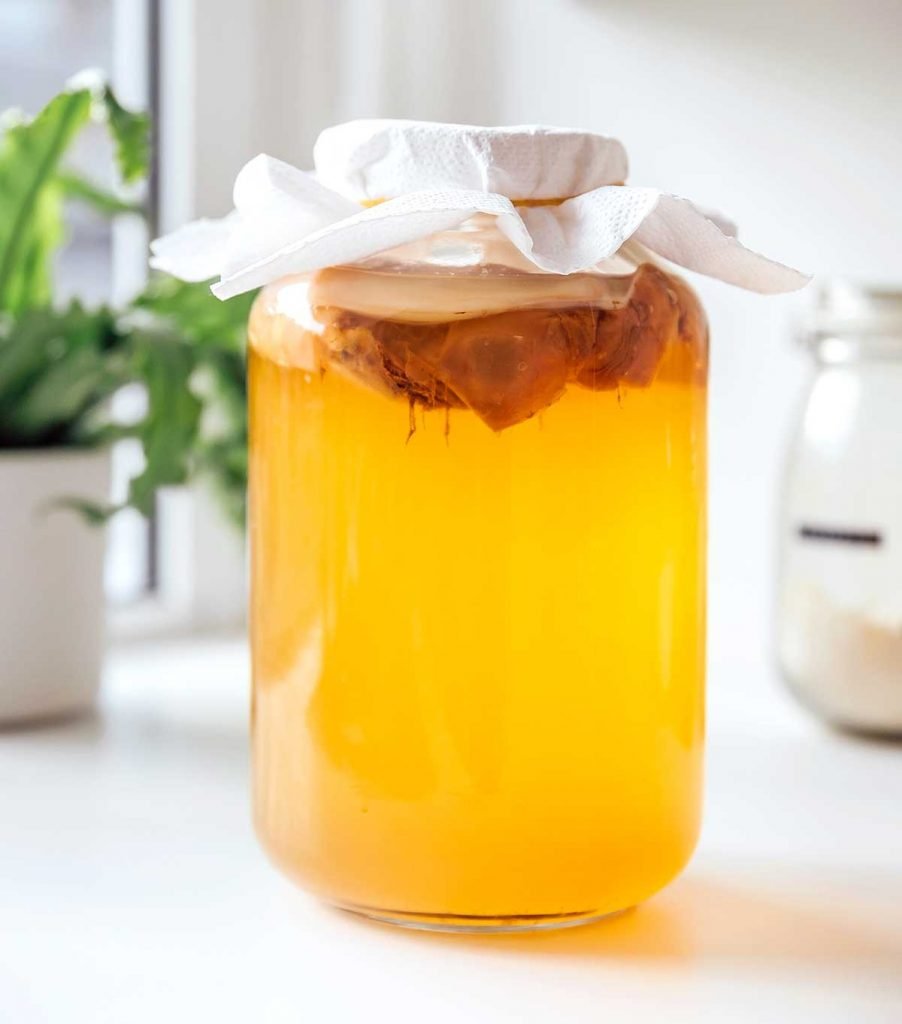
Choosing the Right Tea for Brewing Kombucha
Kombucha has gained popularity in recent years due to its numerous health benefits, including improved digestion and gut health. This fermented tea is made by combining a symbiotic culture of bacteria and yeast (SCOBY) with sweetened tea. While there are many factors that contribute to making great-tasting kombucha, choosing the right tea is crucial. Here’s a guide to help you select the perfect tea for brewing your own kombucha at home.
1. Black Tea: The most common choice for brewing kombucha is black tea. It provides a robust flavor that complements the tanginess of the fermentation process. Opt for high-quality loose-leaf black teas such as Assam or Ceylon for best results.
2. Green Tea: If you prefer a milder and slightly grassy taste, green tea can be an excellent alternative to black tea. It pairs well with fruity flavors and produces a lighter-colored kombucha.
3. White Tea: For those looking for a delicate and subtle flavor profile, white tea can be an interesting option. However, keep in mind that it may result in less vigorous fermentation due to lower caffeine content.
4. Oolong Tea: With its unique floral aroma and complex flavor notes, oolong tea adds depth to kombucha brews. It strikes a balance between black and green teas in terms of both caffeine levels and taste profiles.
5. Herbal Teas: Although herbal teas don’t contain true tea leaves from the Camellia sinensis plant, they can still be used as part of your kombucha recipe for added flavor variations. Some popular options include hibiscus, chamomile, or mint teas.
When choosing any type of tea for brewing kombucha, it’s important to select organic varieties whenever possible to avoid pesticides or other harmful chemicals that could interfere with SCOBY growth.
Experimenting with different combinations of teas can lead to unique and exciting flavors in your homemade kombucha. Don’t be afraid to mix and match tea varieties to find the perfect blend that suits your taste buds.
Remember, when brewing kombucha, it’s essential to let the tea cool before adding the SCOBY. High temperatures can harm the live cultures found in the SCOBY, leading to an unsuccessful fermentation process.
In conclusion, selecting the right tea for brewing kombucha is a crucial step towards achieving a delicious and well-balanced final product. Whether you prefer black, green, white, oolong tea or even herbal infusions – each type brings its own distinct characteristics. So go ahead and start experimenting with different teas to create your very own signature kombucha flavor!

Leave a Reply