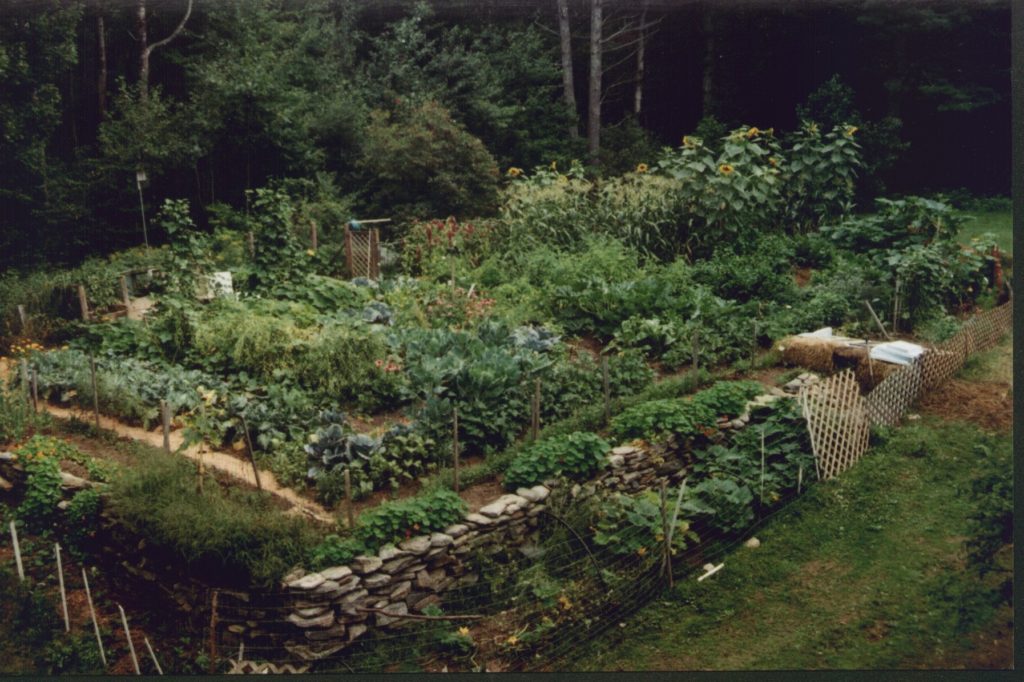
Permaculture Practices: A Sustainable Approach to Healthy Eating
In a world where environmental concerns are becoming increasingly important, permaculture has emerged as a solution for sustainable living. Permaculture is a design system that integrates ecological principles into human settlements, with the aim of creating sustainable and self-sufficient ecosystems. One area where permaculture practices have gained significant traction is in promoting healthy eating habits. By adopting permaculture principles, individuals can not only improve their own well-being but also contribute to the overall health of our planet.
So, what exactly does permaculture entail? At its core, it is about working with nature rather than against it. It emphasizes observation and understanding of natural systems and seeks to mimic these systems in our own lives. By doing so, we can create food forests, organic gardens, and regenerative agricultural systems that support both human needs and those of the environment.
One key principle in permaculture is diversity. In traditional agriculture, monocultures dominate vast expanses of land dedicated to a single crop. While this may lead to high yields in the short term, it depletes the soil’s nutrients and makes crops more susceptible to pests and diseases over time. Permaculture advocates for polycultures – planting multiple species together – which naturally creates a balanced ecosystem that fosters biodiversity.
Polycultures offer several benefits when it comes to healthy eating. Firstly, they provide a variety of foods all at once rather than relying on one or two staple crops throughout the year. This diversification ensures a broader range of nutrients in our diets since different plants offer different vitamins and minerals necessary for optimal health.
Additionally, polycultures act as natural pest control mechanisms by disrupting pest life cycles and reducing their impact on crops without resorting to harmful chemicals like pesticides or herbicides. For instance, interplanting marigolds among vegetables repels nematodes (microscopic worms that damage plant roots) while attracting beneficial insects. This reduces the need for synthetic interventions and promotes a healthier, chemical-free food production system.
Permaculture also emphasizes soil health as a foundation for sustainable agriculture. Healthy soils are teeming with life, including bacteria, fungi, earthworms, and other microorganisms that contribute to nutrient cycling and plant growth. Unlike conventional farming practices that rely heavily on chemical fertilizers, permaculture focuses on building healthy soil through techniques such as composting, mulching, cover cropping, and crop rotation.
Composting is a central practice in permaculture. It involves collecting organic waste – such as kitchen scraps or yard trimmings – and allowing it to decompose into nutrient-rich compost. By adding this compost back into the soil, we can improve its structure and fertility while reducing the amount of waste sent to landfills. In turn, healthy soil supports vigorous plant growth and enhances the nutritional value of the food we consume.
Mulching is another essential technique that retains moisture in the soil by covering it with organic materials like straw or wood chips. This conserves water resources and reduces irrigation needs while suppressing weeds naturally. Mulch also acts as insulation during temperature fluctuations, protecting plants’ roots from extreme heat or cold conditions.
Cover cropping involves planting specific crops – often legumes like clover or vetch – between main crops to improve soil quality. Legumes have nitrogen-fixing properties; they form symbiotic relationships with bacteria in their root nodules that convert atmospheric nitrogen into a usable form for plants. When these cover crops are eventually incorporated into the soil before flowering (known as green manure), they release nitrogen which enriches the earth naturally without relying on synthetic inputs.
Crop rotation is yet another critical practice advocated by permaculturists to prevent pests and diseases build-up over time. Growing different types of crops successively in an area disrupts pest cycles since each crop has its own vulnerabilities and strengths. Rotating crops also helps to balance nutrient uptake from the soil, reducing the need for external inputs.
Permaculture doesn’t just stop at the individual level; it extends to community engagement as well. Community gardens and shared spaces promote social cohesion while providing access to fresh, locally grown produce. By participating in or supporting community gardening initiatives, individuals can strengthen their connection with nature, learn from others, and contribute to a more sustainable food system in their neighborhoods.
In conclusion, permaculture offers practical solutions for promoting healthy eating habits while caring for our environment. By embracing diversity in our food production systems through polycultures, we can ensure a wide range of nutrients in our diets while minimizing pest problems naturally. Investing in soil health through composting, mulching, cover cropping, and crop rotation leads to robust plant growth and nutrient-dense foods. Moreover, permaculture encourages active community involvement through shared spaces like community gardens that foster collaboration and knowledge exchange.
By adopting permaculture practices into our lives – whether it be on a small scale by growing herbs on a balcony or creating larger-scale food forests – we can take significant steps towards achieving healthier eating habits while protecting the planet’s resources for future generations. Let us embrace this sustainable approach and savor the benefits it brings not only to ourselves but also to society as a whole.

Leave a Reply