Planning Meals Around Seasonal Produce to Save Money
Are you tired of spending a fortune on groceries? Do you want to eat healthy without breaking the bank? Well, look no further! Planning your meals around seasonal produce is not only a great way to save money but also a delicious way to enjoy the freshest ingredients.
Eating seasonally means consuming fruits and vegetables that are naturally grown during specific times of the year. When produce is in season, it tends to be more abundant, which results in lower prices. Plus, since it doesn’t have to travel long distances or sit in storage for months, seasonal produce retains its flavor and nutritional value.
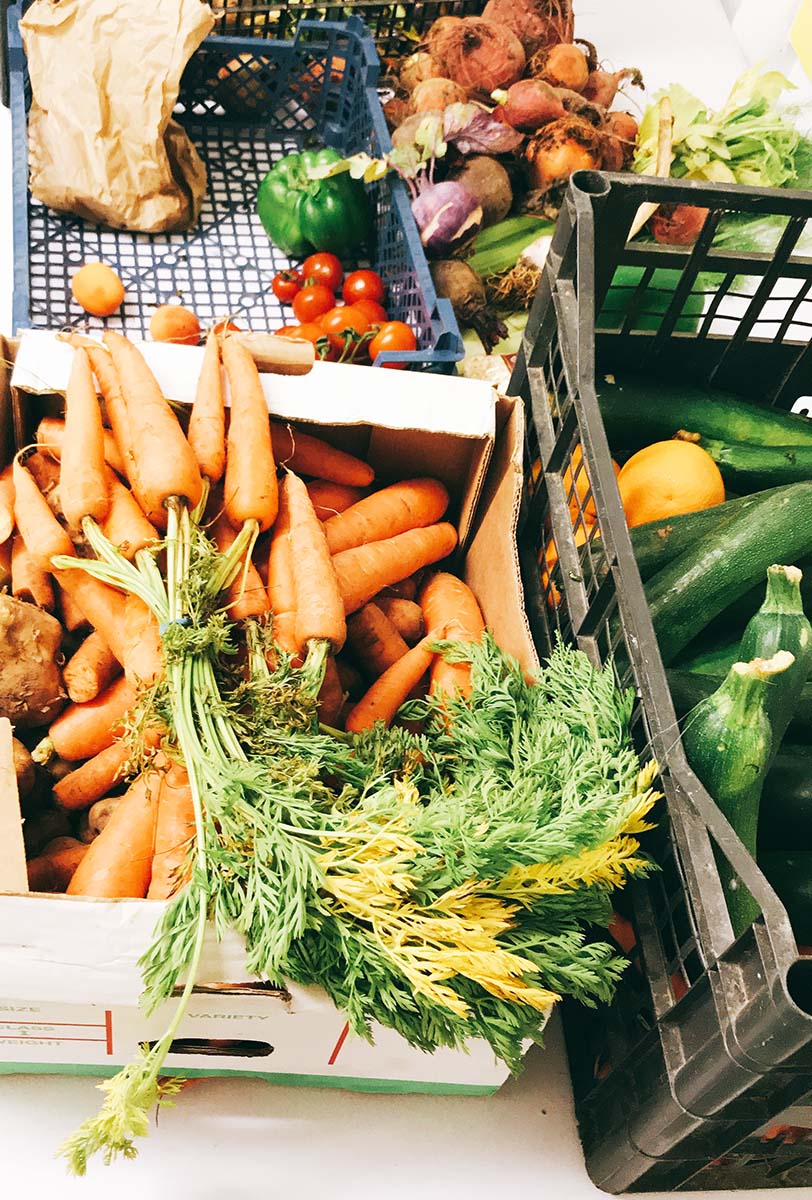
To start planning your meals around seasonal produce, begin by familiarizing yourself with what’s in season each month. Spring offers an abundance of crisp asparagus, tender artichokes, and sweet strawberries. Summer brings juicy tomatoes, refreshing cucumbers, and vibrant berries. Fall delights us with earthy pumpkin, hearty squash varieties like butternut and acorn, and tangy apples. And winter showcases robust root vegetables such as carrots and beets alongside leafy greens like kale and spinach.
Once you know what’s available throughout the year, create a meal plan based on these ingredients. Start by choosing recipes that feature the seasonal produce you want to include in your meals. For example, if you find beautiful zucchinis at your local market during summer months, consider making zucchini noodles with fresh tomato sauce or grilled zucchini skewers.
When shopping for seasonal produce, try visiting farmers’ markets or joining a community-supported agriculture (CSA) program where you can get fresh veggies directly from local farmers at reasonable prices. Not only will this support local businesses but also ensure that you’re getting the best quality ingredients available.
Don’t be afraid to experiment with new flavors either! If there’s an ingredient on sale or plentiful at the moment that you’ve never tried before, take the opportunity to incorporate it into your meals. You might discover a new favorite dish or find a creative way to use an ingredient you’ve overlooked in the past.
Planning meals around seasonal produce also means reducing food waste. When you buy ingredients that are currently abundant, you’re less likely to let them go bad in your fridge. Additionally, since seasonal produce often tastes better, you’ll be more excited about eating it and less likely to let leftovers go uneaten.
In conclusion, planning your meals around seasonal produce is not only cost-effective but also beneficial for your taste buds and overall health. By embracing what nature has to offer each season, you can create flavorful dishes while saving money on groceries. So why not give it a try? Your wallet and stomach will thank you!

Leave a Reply