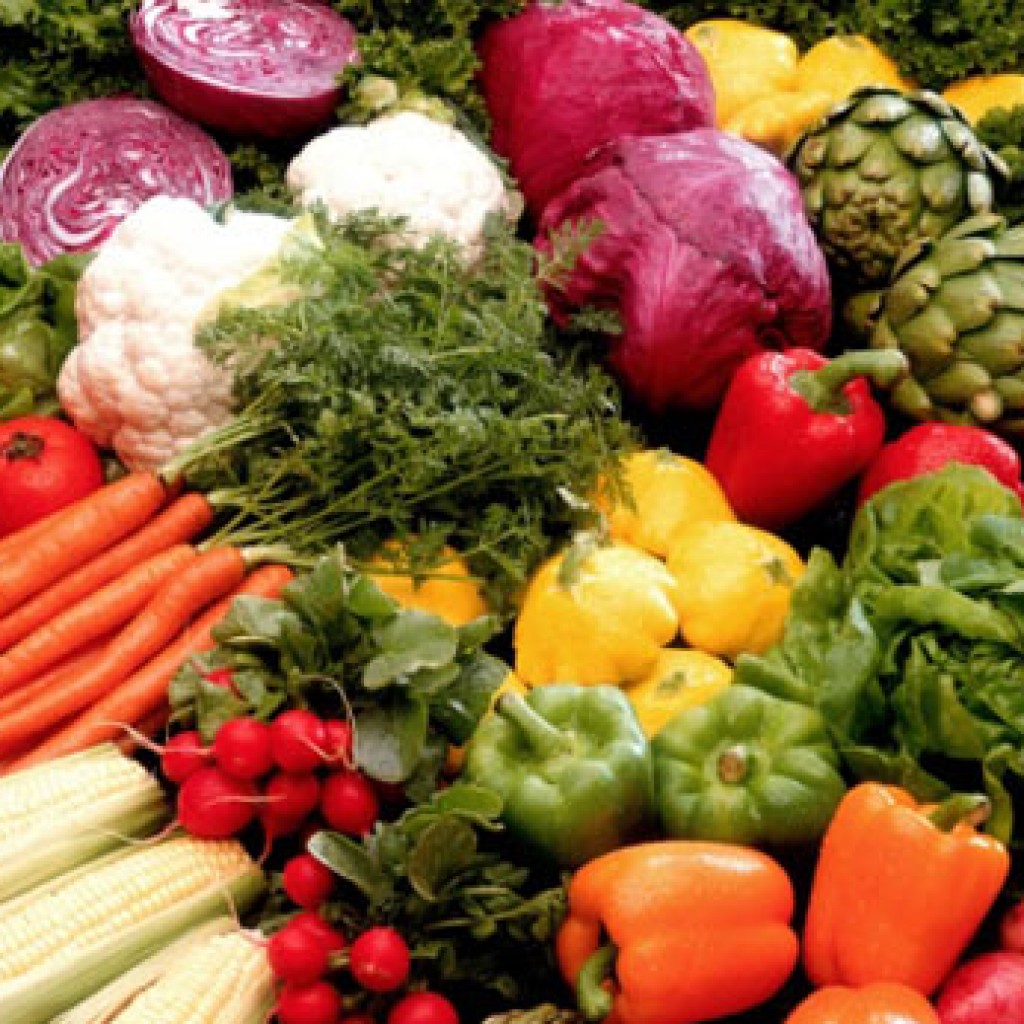
Seasonal Produce: A Guide to Eating Fresh and Healthy
Eating seasonal produce is not only a great way to support local farmers and reduce your carbon footprint, but it also ensures that you are consuming fruits and vegetables at the peak of their flavor and nutritional value. When produce is in season, it is more abundant, fresher, and often less expensive. In this guide, we will explore the benefits of eating seasonally and highlight some delicious fruits and vegetables you can enjoy during different times of the year.
Benefits of Seasonal Eating:
1. Improved Flavor: Seasonal produce offers superior taste compared to out-of-season options. Fruits and vegetables that are allowed to ripen naturally before harvest tend to have a deeper, richer flavor profile.
2. Higher Nutritional Value: Locally grown seasonal produce spends less time in transit than its out-of-season counterparts. This means that it retains more nutrients which may otherwise be lost during long transportation periods or prolonged storage.
3. Cost-Effective: When fruits and vegetables are in abundance due to being in season, they become more affordable as supply exceeds demand. By purchasing seasonal produce, you can stretch your budget while enjoying fresh ingredients.
4. Supports Local Farmers: Choosing seasonal produce from local farmers supports small-scale agriculture by ensuring growers receive fair compensation for their hard work while fostering community connections.
Now let’s delve into the exciting world of seasonal produce!
Spring (March – May):
1. Asparagus: These tender spears are packed with vitamins A, C, E, K as well as folate and fiber. Enjoy them roasted or steamed for a delightful side dish or add them to salads for extra crunch.
2. Strawberries: Bursting with antioxidants like vitamin C, strawberries make a refreshing addition to smoothies or atop yogurt bowls when they’re perfectly ripe.
3.Sp ring Peas: Sweet spring peas bring vibrant color along with essential nutrients like vitamin K, manganese, and fiber. Add them to stir-fries or pasta dishes for a pop of freshness.
Summer (June – August):
1. Tomatoes: A quintessential summer vegetable (technically a fruit), tomatoes are rich in lycopene, an antioxidant known for its potential health benefits. Use them in salads, sandwiches, or make a classic caprese salad with fresh basil and mozzarella.
2. Zucchini: With its mild flavor and versatile texture, zucchini is perfect for grilling, roasting, or spiralizing into noodles as a healthier alternative to pasta.
3. Blueberries: These small powerhouses are packed with antioxidants that support brain health and may help reduce inflammation. Enjoy them in smoothies, baked goods, or simply as a snack.
Fall (September – November):
1. Apples: Fall brings an abundance of apples in various flavors and textures. They are high in fiber and vitamin C while being low in calories. Bake them into pies or enjoy slices dipped in peanut butter for a tasty treat.
2.Pumpkins: Beyond carving jack-o’-lanterns, pumpkins can be roasted for soups and stews or pureed for muffins and pies. They are loaded with vitamins A and C along with potassium.
3.Sweet Potatoes: High in fiber and vitamins A and C, sweet potatoes can be mashed, roasted into fries or used as the base ingredient for hearty fall soups.
Winter (December – February):
1.Citrus Fruits : Oranges , grapefruits , lemons ,and limes brighten up our winter months with their vibrant colors while providing ample amounts of vitamin C . Squeeze fresh juice from oranges or lemons to add zest to your dishes , or enjoy grapefruit segments on their own .
2.Kale : This leafy green thrives during the colder months . It’s not only packed with vitamins A , K , and C but also adds a hearty texture to soups and salads .
3.Root Vegetables : Carrots , beets , turnips , and parsnips are just a few examples of the nutrient-dense root vegetables that shine in winter . Roast them with herbs for a delicious side dish or incorporate them into warming stews .
Remember that this list is not exhaustive, as there are many more seasonal fruits and vegetables available throughout the year. By eating seasonally, you can expand your culinary horizons while supporting sustainable agriculture practices. So head out to your local farmers’ market or grocery store’s produce section, and embrace the flavors of each season!

Leave a Reply