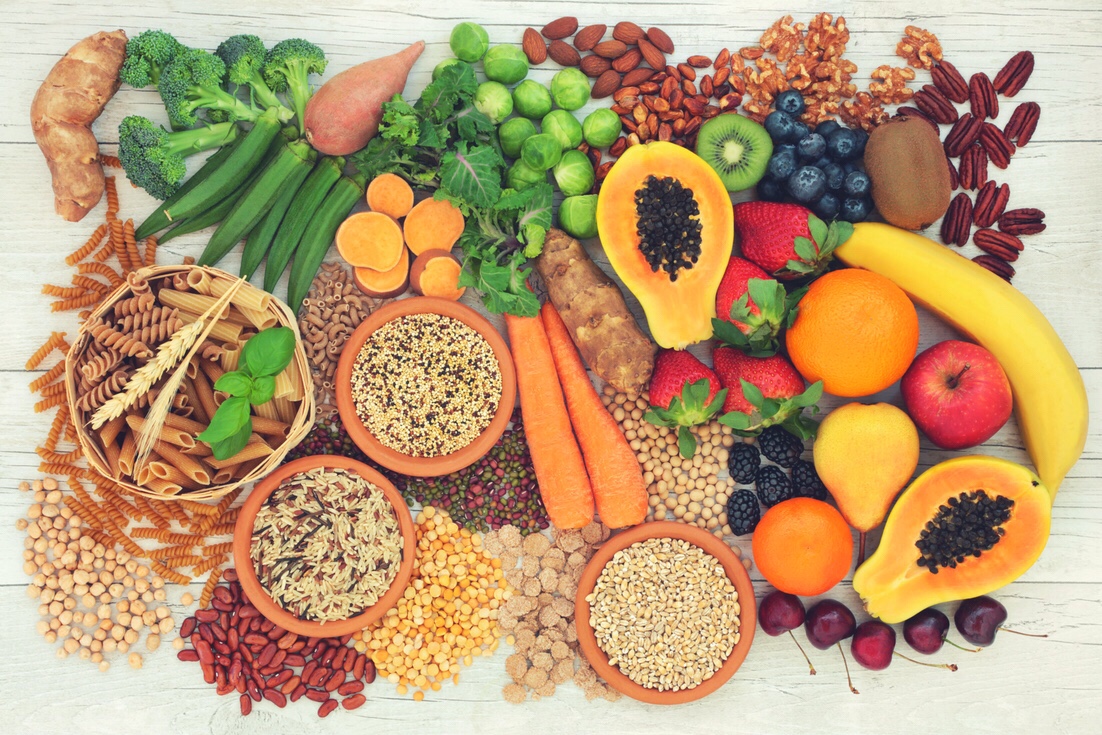
Resistant Starches: A Guide to Fiber-Rich Foods for a Healthy Diet
In today’s health-conscious world, the emphasis on consuming fiber-rich foods has become increasingly important. Not only do these foods aid digestion and promote gut health, but they also provide numerous other benefits to our overall well-being. In this post, we will explore 20 different types of fiber-rich foods that can be easily incorporated into your diet.
1. Resistant Starches:
Resistant starches are a type of carbohydrate that resists digestion in the small intestine and reaches the large intestine intact. This unique characteristic makes them an excellent source of prebiotic fiber, which serves as nourishment for beneficial gut bacteria. Foods like green bananas, cooked and cooled potatoes, lentils, and green peas are rich in resistant starches.
2. Inulin:
Inulin is a naturally occurring dietary fiber found in several plants such as chicory root, onions, garlic, and Jerusalem artichokes. It acts as food for probiotics in the gut and promotes their growth while aiding digestion.
3. Galacto-oligosaccharides (GOS):
GOS is another prebiotic fiber that stimulates the growth of healthy gut bacteria while inhibiting the growth of harmful ones. It is commonly found in legumes such as chickpeas and lentils.
4. Fructo-oligosaccharides (FOS):
FOS is naturally present in many fruits and vegetables like bananas, onions, leeks, garlics, and asparagus. It helps maintain a healthy balance of intestinal flora by promoting beneficial bacteria.
5. Xylo-oligosaccharides (XOS):
XOS is derived from plant materials like corn cobs or bamboo shoots through enzymatic processes. It functions similarly to other prebiotics by stimulating the growth of beneficial bacteria in the gut.
6. Isomalto-oligosaccharides (IMO):
IMO is a type of soluble dietary fiber found naturally in foods like honey, soy sauce, and sake. It helps maintain a healthy digestive system by promoting the growth of beneficial bacteria.
7. Lactulose:
Lactulose is a synthetic sugar used as a laxative. It can also act as a prebiotic, stimulating the growth of good bacteria in the gut while providing relief from constipation.
8. Pectin:
Pectin is commonly found in fruits such as apples, oranges, and strawberries. This soluble fiber not only aids digestion but also helps lower cholesterol levels and regulate blood sugar levels.
9. Beta-glucan:
Beta-glucan is primarily found in oats and barley. It has been shown to have numerous health benefits, including reducing cholesterol levels and improving heart health.
10. Arabinogalactan:
Arabinogalactan is extracted from larch trees or other plant sources like onions and carrots. It acts as both a prebiotic and an immune system booster.
11. Acacia gum:
Acacia gum, also known as gum arabic, comes from the sap of acacia trees native to Africa and parts of Asia. It serves as an excellent source of dietary fiber that supports gut health by promoting regular bowel movements.
12. Mannan-oligosaccharides (MOS):
Derived from yeast cell walls or certain plants like palm kernel meal or coconuts, MOS acts as a prebiotic by supporting beneficial gut bacteria while inhibiting harmful ones.
13. Raffinose family oligosaccharides (RFOs):
RFOs are naturally present in legumes such as beans, lentils, soybeans, peas, and chickpeas. They provide nourishment for healthy gut bacteria while aiding overall digestion.
14. Polydextrose:
Polydextrose is a low-calorie, soluble fiber often used as a food additive. It helps maintain healthy gut bacteria and promotes regular bowel movements.
15. Gums and mucilages:
Gums and mucilages, such as guar gum, locust bean gum, and psyllium husk, are plant-derived fibers that act as natural thickeners in foods. They also provide additional dietary fiber to support digestion.
16. Agave inulin:
Agave inulin is derived from the agave plant and serves as an excellent source of prebiotic fiber. It supports healthy gut bacteria growth while aiding digestion.
17. Chicory root fiber:
Chicory root fiber contains inulin and other types of prebiotic fibers beneficial for digestive health. Additionally, it can be used as a sugar substitute due to its sweet taste without adding calories.
18. Konjac glucomannan:
Konjac glucomannan is made from the root of the konjac plant native to Asia. It provides soluble dietary fiber that aids digestion and helps with weight management by promoting satiety.
19. Wheat dextrin:
Wheat dextrin is derived from wheat starch and acts as a soluble dietary fiber that supports healthy digestion while helping regulate blood sugar levels.
20: Bamboo Fiber Extract:
Bamboo fiber extract is obtained from bamboo shoots or leaves and contains high amounts of dietary fiber. It contributes to gut health by promoting regular bowel movements while providing nourishment for beneficial gut bacteria.
Incorporating these 20 different types of fibrous foods into your diet can greatly improve your digestive health, boost immunity, regulate cholesterol levels, stabilize blood sugar levels, aid weight management efforts, and promote overall well-being.

Leave a Reply