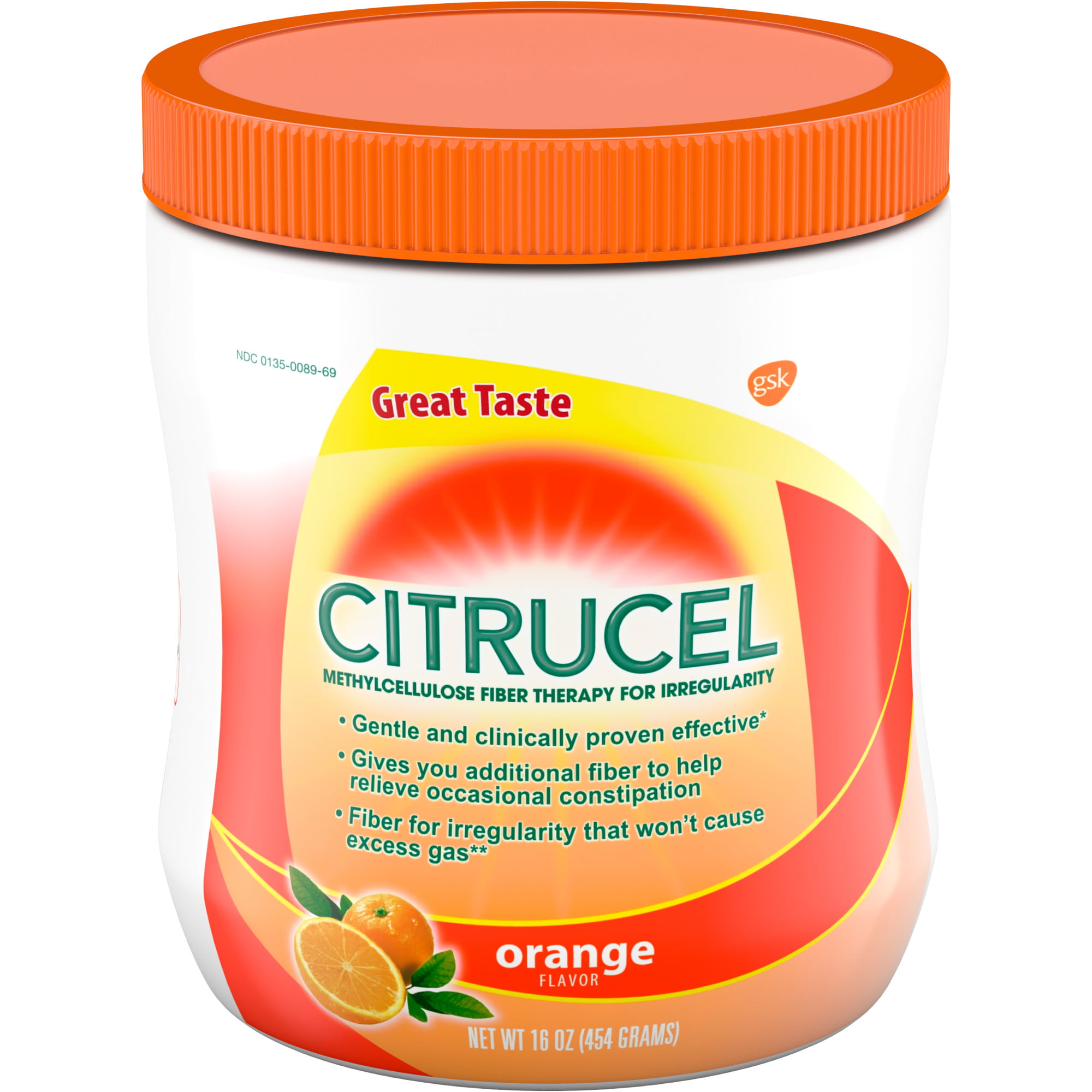
Fiber for Constipation Relief: A Natural Solution
Constipation is a common digestive issue that affects millions of people worldwide. It can cause discomfort, pain, and a general feeling of unease. While there are various remedies available on the market, one natural solution stands out – fiber.
What is Fiber?
Fiber is a type of carbohydrate found in plant-based foods such as fruits, vegetables, whole grains, legumes, nuts, and seeds. Unlike other carbs that are broken down by the body for energy, fiber cannot be digested or absorbed. Instead, it passes through the digestive system largely intact.
Types of Fiber:
There are two main types of dietary fiber:
1. Soluble Fiber: Dissolves in water to form a gel-like substance in the intestines. Good sources include oats, barley, legumes (beans and lentils), apples, oranges, carrots, and flaxseeds.
2. Insoluble Fiber: Does not dissolve in water but adds bulk to stool and helps promote regular bowel movements. Examples include whole wheat products (bread/pasta), brown rice, bran cereals/bran muffins.
How Does Fiber Relieve Constipation?
Fiber plays a crucial role in maintaining regularity by adding bulk to the stool and promoting healthy digestion:
1. Softens Stool: Soluble fiber absorbs water as it passes through the digestive tract and forms a soft gel-like substance that helps soften stools.
2. Adds Bulk: Insoluble fiber adds bulk to stool by attracting water into the colon which stimulates bowel movements.
3. Speeds Up Transit Time: By increasing stool size and weight with added bulk from insoluble fiber while keeping it soft with soluble fiber content; this speeds up transit time through your intestines.
4.Promotes Healthy Gut Bacteria: Certain types of fiber act as prebiotics—food for beneficial bacteria residing in our gut—which help maintain a healthy balance of gut bacteria. A well-balanced gut microbiome is essential for optimal digestion and regular bowel movements.
How to Increase Fiber Intake:
To relieve constipation, it’s important to gradually increase your fiber intake and drink plenty of water. Here are some tips:
1. Eat More Fruits and Vegetables: Aim for at least five servings per day. Include berries, apples, pears, oranges, broccoli, carrots, spinach, and other fibrous options in your meals.
2. Choose Whole Grains: Opt for whole wheat bread/pasta, brown rice instead of white varieties.
3. Add Legumes to Your Diet: Incorporate beans (black beans, kidney beans), lentils into soups or salads.
4. Snack on Nuts and Seeds: Almonds, walnuts, chia seeds can be excellent sources of fiber when consumed in moderation.
5. Consider Fiber Supplements: If you struggle to meet your daily fiber needs through diet alone or need more immediate relief from constipation symptoms; consider supplementing with psyllium husk or other bulk-forming agents after consulting a healthcare professional.
Potential Side Effects:
While increasing your fiber intake is generally safe and beneficial for most people; it’s important to do so gradually as sudden changes may cause bloating or gas initially until the body adjusts.
In conclusion:
Fiber-rich foods are an excellent natural remedy for constipation relief due to their ability to soften stool while adding bulk which promotes regular bowel movements. By incorporating a variety of fruits, vegetables, whole grains, legumes along with sufficient water intake into our daily routine; we can improve digestive health and alleviate discomfort caused by constipation naturally.

Leave a Reply