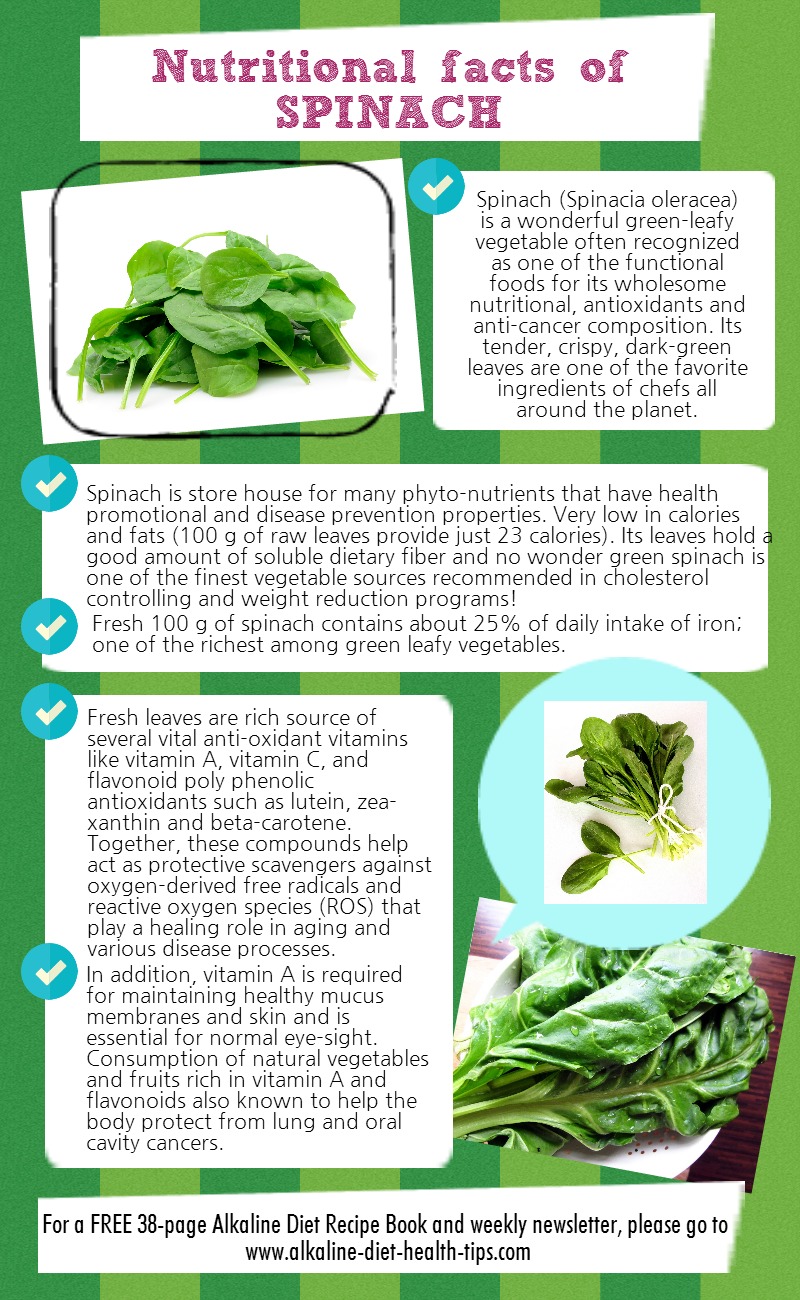
Spinach: The Nutritional Powerhouse
In the world of leafy greens, spinach holds a special place. With its vibrant green color and versatile flavor, it has become a staple in many cuisines around the globe. Packed with essential nutrients and offering an array of health benefits, spinach is truly a nutritional powerhouse.
One of the standout features of spinach is its impressive nutrient profile. It is rich in vitamins A, C, E, and K as well as minerals like iron, calcium, potassium, and magnesium. Moreover, it contains several beneficial compounds such as folate, fiber, antioxidants like lutein and zeaxanthin.
The high vitamin A content in spinach supports healthy vision by promoting proper functioning of the retina. Vitamin C acts as an antioxidant that helps protect cells from damage caused by harmful free radicals while also supporting collagen production for healthy skin. Vitamin E contributes to overall immune system health and protects against oxidative stress.
Spinach’s high levels of vitamin K are crucial for maintaining bone health and blood clotting functions within the body. It also plays a role in preventing excessive bleeding during injuries or surgeries.
Iron is another mineral found abundantly in spinach which aids in red blood cell production and helps transport oxygen throughout the body. This makes it particularly beneficial for individuals suffering from iron-deficiency anemia.
Calcium content ensures strong bones and teeth while potassium helps regulate blood pressure levels by counteracting sodium’s effects on hypertension development. Magnesium supports nerve function and promotes normal muscle contraction.
Folate is crucial during periods of rapid growth such as pregnancy because it assists in DNA synthesis and cell division. Spinach’s presence facilitates proper fetal development during pregnancy while also benefiting heart health by lowering homocysteine levels which can contribute to cardiovascular disease if elevated.
Perhaps one of the most notable qualities of spinach lies within its antioxidant properties provided by lutein and zeaxanthin – carotenoids known for their eye health benefits. These compounds help protect the eyes from damage caused by harmful UV rays and reduce the risk of age-related macular degeneration and cataracts.
Adding spinach to your diet is simple, as it can be enjoyed in various forms. Whether raw or cooked, it can be used as a base for salads, blended into smoothies, sautéed with other vegetables or incorporated into main dishes like casseroles and pastas.
When purchasing spinach, it’s best to opt for fresh, organic varieties whenever possible. Look for leaves that are deep green in color and free from any signs of wilting or discoloration. It’s important to wash them thoroughly before consumption to remove any dirt or pesticides present.
While spinach is generally safe for consumption by most individuals, those with kidney stones should exercise caution due to its high oxalate content which may contribute to stone formation if consumed excessively. Additionally, cooking spinach reduces its oxalate levels.
In conclusion, spinach is an incredibly versatile and nutrient-dense leafy green that offers numerous health benefits. From supporting healthy vision and strong bones to aiding in blood clotting and reducing the risk of chronic diseases like heart disease and macular degeneration – this nutritional powerhouse deserves a place on everyone’s plate. So why not embrace this vibrant vegetable today?

Leave a Reply