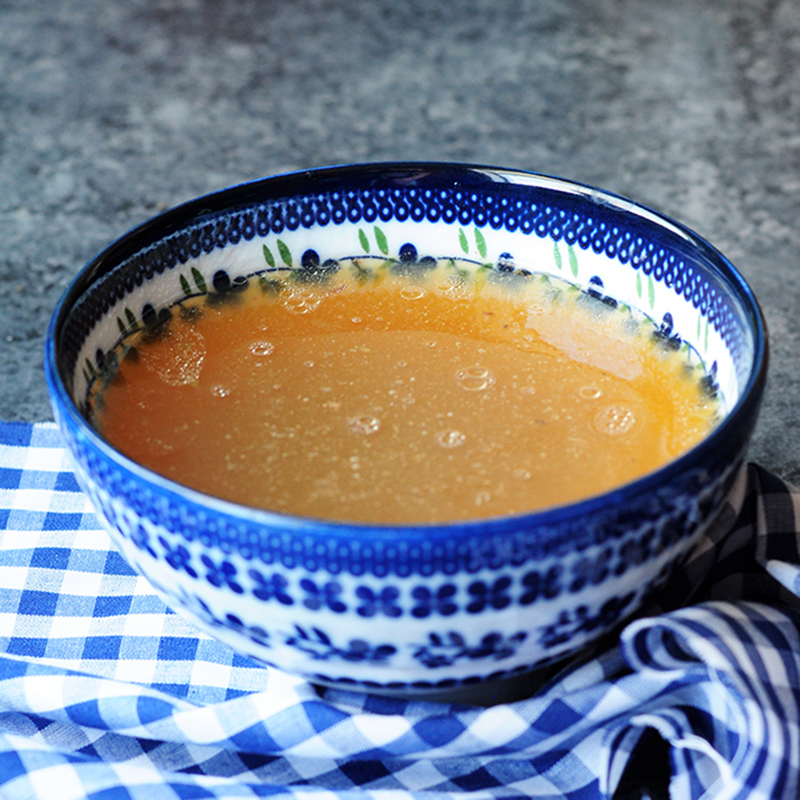
Traditional bone broth recipes from Asia have been hailed for their rich flavors and numerous health benefits. From the fragrant and spicy broths of Southeast Asia to the nourishing and collagen-rich hot pots of East Asia, Asian cuisine offers a wide variety of delicious bone broth dishes.
In countries like China and Japan, bone broth has been a staple in traditional cooking for centuries. The process begins by simmering bones, usually chicken or pork, along with vegetables and aromatics in water for several hours. This slow-cooking method allows the bones to release their nutrients into the liquid, resulting in a flavorful and nutritious broth.
One popular Chinese variation is “long-simmered” bone broth. This technique involves boiling beef or pork bones for up to 24 hours, creating a deeply concentrated flavor. It’s often enjoyed as a standalone dish or used as a base for other soups and stews.
In Japan, Tonkotsu ramen is renowned for its creamy and collagen-rich bone broth. Made from pork bones that are boiled vigorously over high heat for several hours, this hearty soup is served with noodles, sliced pork belly, soft-boiled eggs, green onions, and various toppings.
Moving on to Europe, bone broths also hold an important place in culinary traditions across the continent. In countries like France and Italy, these broths are often used as a base ingredient in many classic dishes such as stews and sauces.
One notable European variation is French Onion Soup which features caramelized onions cooked in beef bone broth topped with melted cheese-covered bread slices. The combination of sweet onions with rich beefy flavors creates an irresistible taste that warms both body and soul.
In Italy, ossobuco alla Milanese showcases tender veal shanks braised in white wine-infused meat stock until they become fall-off-the-bone tender. Served alongside creamy risotto or polenta, this dish epitomizes Italian comfort food at its finest.
As we venture into Africa, bone broths take on a unique and vibrant character. In countries like Nigeria and Morocco, hearty meaty soups are a popular choice for nourishing meals.
In Nigeria, the Egusi soup is made with ground melon seeds simmered in a flavorful broth made from goat or chicken bones. This thick soup is often served with pounded yam or fufu, providing a satisfying and filling meal.
Morocco boasts an array of aromatic spiced soups such as Harira. This traditional Moroccan soup combines lamb bones with vegetables, spices like cumin and ginger, and legumes like lentils and chickpeas. It’s often enjoyed during Ramadan to break the fast due to its nourishing qualities.
Heading over to South America, bone broth techniques have been passed down through generations. In countries like Mexico and Argentina, slow-simmered stews showcase the richness of local ingredients.
Mexican Pozole features pork bones cooked alongside hominy (dried maize kernels) in a spicy red chili-infused broth. Topped with shredded lettuce, radishes, avocado slices, and lime juice – this dish offers a delightful explosion of flavors that will transport you straight to the streets of Mexico City.
Argentina’s Cocido Madrileño is another beloved slow-cooked stew that incorporates beef marrow bones along with various cuts of beef simmered with vegetables until tender. Served with crusty bread on the side, it makes for a comforting meal during chilly winter nights in Buenos Aires.
Down under in Australia and Oceania, unique bone broth recipes highlight indigenous ingredients found in these regions’ diverse ecosystems.
The Australian Aboriginal people have long utilized bush foods to create delicious dishes packed with flavor and nutrition. Kangaroo tail soup is one such example where kangaroo tails are slowly cooked in water along with native herbs like lemon myrtle or wattleseed for several hours until the meat becomes tender. This soup is not only a taste of Australia’s native fauna but also a celebration of Aboriginal culture.
Scandinavian countries, known for their love of seafood, have developed bone broth recipes that embrace the flavors of the sea. Norwegian Fiskesuppe combines fish bones, often salmon or cod, with vegetables and spices to create a rich and creamy soup. It’s a comforting dish enjoyed year-round in Norway and neighboring countries.
In conclusion, bone broth traditions span across continents, showcasing the diverse culinary practices and local ingredients that each region has to offer. From Asia to Europe, Africa to South America – these nourishing soups and stews bring people together through shared warmth and flavorful experiences. Whether you’re savoring collagen-rich hot pots in East Asia or enjoying slow-simmered stews in Central America, bone broth dishes are an essential part of healthy eating worldwide.

Leave a Reply