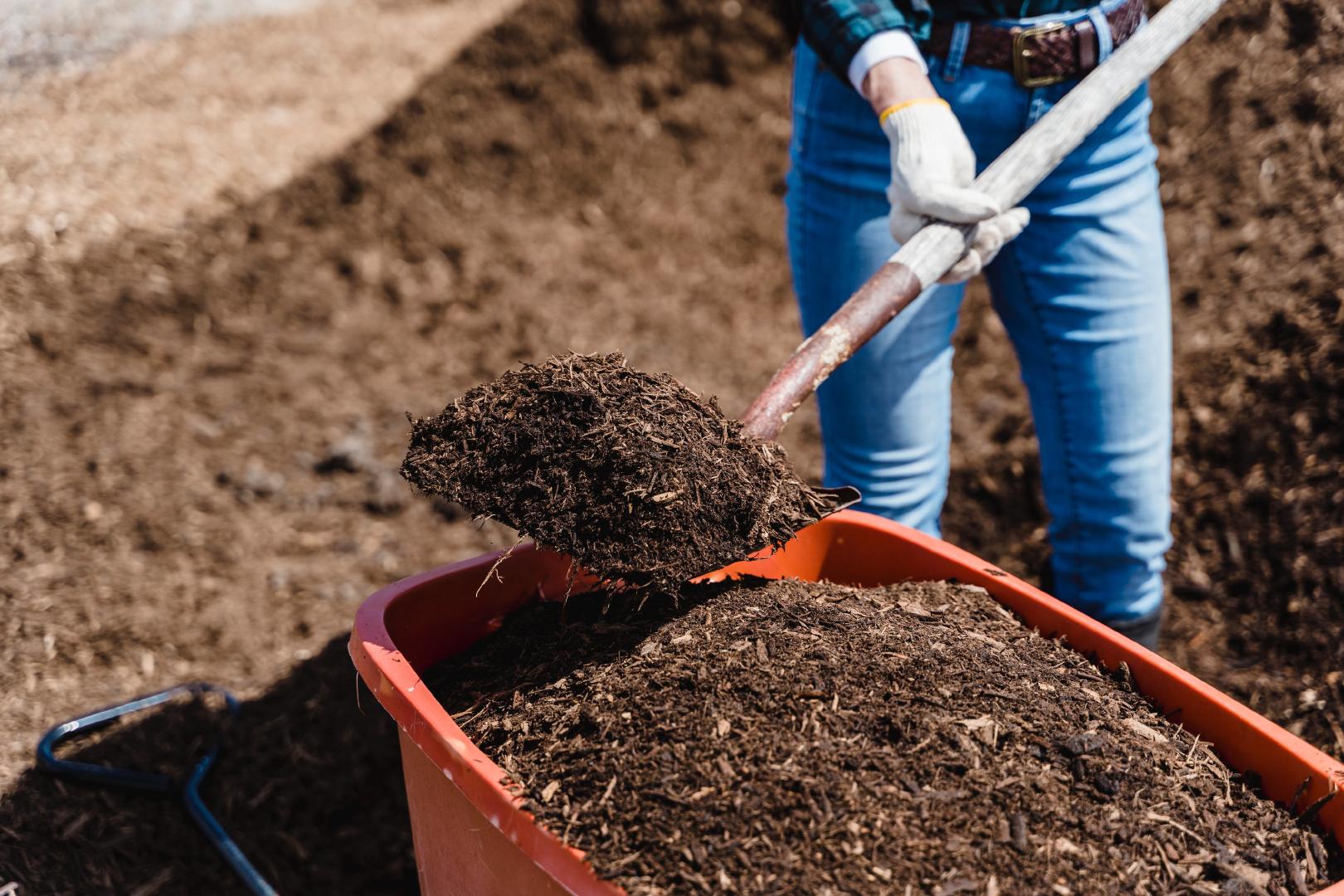
Composting and Vermiculture: Turning Waste into Gold
In today’s fast-paced world, where convenience and instant gratification are the norm, it’s easy to forget about the importance of sustainability. However, as our planet faces unprecedented environmental challenges, it becomes crucial for each one of us to take responsibility for our actions and make conscious choices that promote a healthier environment.
One simple yet effective way to contribute to sustainability is through composting and vermiculture. These practices allow us to turn organic waste into nutrient-rich soil amendments while reducing the amount of waste that ends up in landfills. Not only does this help reduce greenhouse gas emissions but also provides an opportunity for individuals to reconnect with nature and actively participate in creating a more sustainable future.
What is Composting?
Composting is the process of decomposing organic matter such as food scraps, yard trimmings, leaves, or coffee grounds into nutrient-rich humus. Humus acts as a natural fertilizer that enriches soil quality by enhancing its structure, water-holding capacity, and fertility. Compost not only benefits plants but also helps control erosion and reduces the need for synthetic fertilizers or harmful chemicals.
Getting Started with Composting
Starting your own compost pile may seem daunting at first glance; however, with some basic knowledge and minimal effort, anyone can become a successful composter. Here are some key steps to get you started:
1. Choose a Compost Bin: There are various types of compost bins available in the market – from traditional bins made from wood or plastic to DIY options using repurposed materials like pallets or wire mesh. Select one that suits your needs based on space availability and personal preference.
2. Collect Organic Waste: Begin collecting kitchen scraps such as fruit peels, vegetable trimmings (excluding meat), coffee grounds, or tea bags in a separate container inside your home. Additionally, gather yard waste like grass clippings or fallen leaves to add to your compost pile.
3. Layering: To create a balanced compost pile, alternate between layers of green (nitrogen-rich) and brown (carbon-rich) materials. Greens include fresh grass clippings or vegetable scraps, while browns consist of dried leaves, straw, or shredded paper/cardboard.
4. Moisture and Aeration: Compost needs the right amount of moisture and airflow for decomposition to occur efficiently. Maintain a moist but not wet environment by occasionally watering your pile. Additionally, turn the pile every few weeks using a pitchfork or shovel to promote airflow and accelerate decomposition.
5. Patience is Key: Composting is a natural process that takes time. Depending on various factors such as temperature, moisture levels, and the size of your compost pile, it can take anywhere from several months up to a year for the organic matter to fully decompose into usable humus.
The Benefits of Vermiculture
While traditional composting methods are effective in their own right, vermiculture takes sustainability one step further by introducing earthworms into the process. Earthworms play a vital role in breaking down organic waste more rapidly through their digestive systems – creating nutrient-dense castings known as worm castings or vermicompost.
Starting Your Own Worm Bin
Creating your own worm bin is relatively simple and requires only minimal space indoors or outdoors:
1. Choose Your Worms: The most commonly used species for vermiculture are red worms (Eisenia fetida). These worms thrive in organic waste environments and can consume half their body weight daily.
2. Select a Container: Similar to regular composting bins, choose an appropriate container based on available space – it could be anything from plastic tubs with drilled holes for ventilation to specially designed worm bins available commercially.
3. Bedding Material: Line the bottom of your bin with bedding material such as shredded newspaper or cardboard soaked in water until damp. This provides a comfortable environment for the worms and additional carbon-rich material.
4. Add Worms and Organic Waste: Introduce your red worms into the bin, along with organic waste materials like fruit and vegetable scraps, coffee grounds, or tea leaves. Avoid adding meat, dairy products, oily foods, or citrus fruits as they can attract pests or harm the worms.
5. Maintenance: Similar to regular composting, maintain proper moisture levels by occasionally misting the bedding material to keep it moist but not soggy. Feed your worms regularly with small amounts of food scraps – bury them under the bedding to prevent odors or fruit fly infestations.
6. Harvesting Vermicompost: Over time, the worms will process their food and produce vermicompost in the form of dark-brown castings that resemble coffee grounds. When ready to harvest, gently push all contents of one side of your bin to one end while adding fresh bedding material on the empty side. The worms will naturally migrate towards new food sources within a few days.
The Magic of Composting and Vermiculture
Composting and vermiculture offer numerous benefits beyond just creating nutrient-rich soil amendments:
1. Waste Reduction: By diverting organic waste from landfills through these practices, we significantly reduce greenhouse gas emissions produced during decomposition in anaerobic conditions.
2. Soil Health Improvement: Adding compost or worm castings to garden beds enhances soil structure by improving drainage capabilities while retaining moisture more effectively.
3. Plant Growth Enhancement: Compost and vermicompost provide essential nutrients for plant growth while promoting beneficial microbial activity that aids in disease suppression.
4. Water Conservation: Healthy soils enriched with organic matter retain water better than compacted ones, reducing water runoff and conserving this precious resource.
5. Cost Savings: By producing your own nutrient-rich amendments through composting or vermiculture instead of purchasing synthetic fertilizers or soil conditioners, you can save money in the long run.
6. Educational and Therapeutic Value: Engaging in composting or vermiculture activities provides an opportunity to reconnect with nature, educate children about sustainability, and promote overall well-being through a hands-on approach.
Conclusion
Composting and vermiculture are simple yet effective ways for individuals to make a positive impact on the environment while actively contributing to sustainable practices. By turning our organic waste into nutrient-rich soil amendments, we create healthier soils, reduce greenhouse gas emissions, conserve water resources, and promote a more resilient ecosystem. So why not embrace this opportunity to turn waste into gold – one kitchen scrap at a time? Start your compost pile or worm bin today and be part of the solution towards a greener future.

Leave a Reply