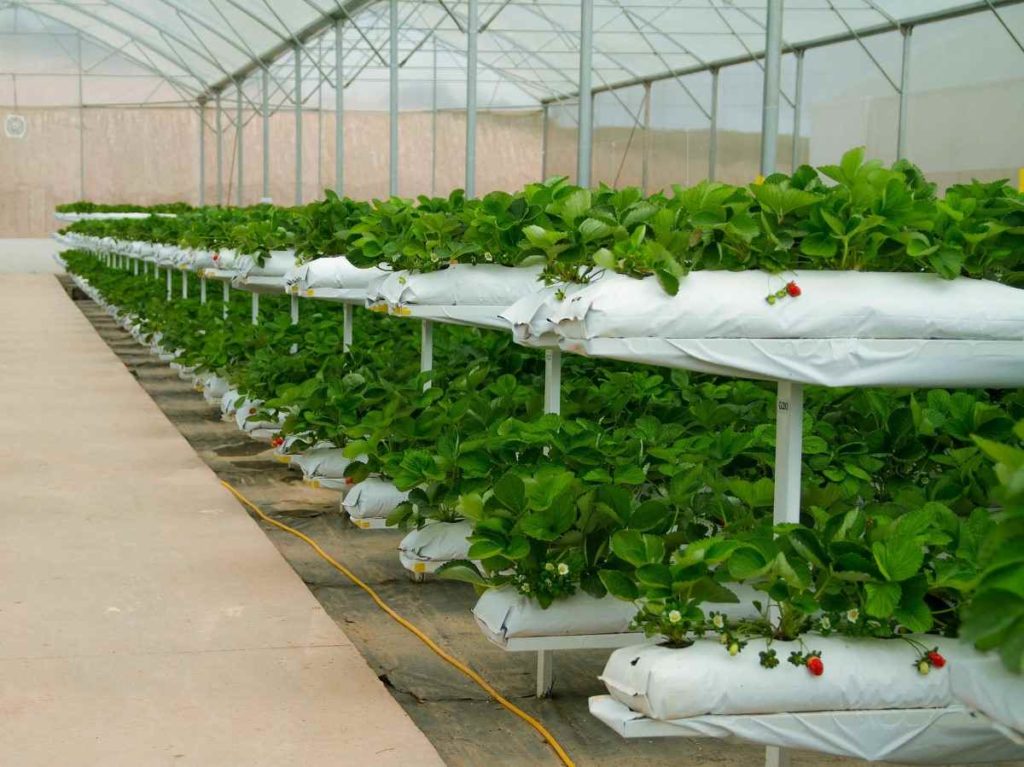
Organic Strawberry Farming: A Sustainable and Healthy Approach
In recent years, there has been a growing interest in organic farming practices, driven by concerns about the use of synthetic pesticides and fertilizers. Organic strawberry farming is one such practice that not only promotes sustainability but also offers numerous health benefits. Let’s delve into the details of this eco-friendly and nutritious approach to strawberry cultivation.
The first step in organic strawberry farming begins with selecting the right variety for your region. It is crucial to choose disease-resistant varieties that thrive in your climate conditions. This helps minimize the need for chemical interventions later on.
Preparing the soil is essential for successful organic farming. Farmers focus on building healthy soil rich in nutrients and beneficial microorganisms. Before planting, they amend the soil with compost or well-rotted manure, which adds vital nutrients while improving its structure. This natural approach ensures strawberries receive adequate nutrition throughout their growth cycle.
To control pests organically, farmers employ various techniques rather than resorting to harmful chemicals. One method involves using companion plants like marigolds or clover around strawberry beds to deter pests naturally. Additionally, introducing beneficial insects such as ladybugs or lacewings can help manage aphids and other harmful insects without relying on pesticides.
Weeds are another challenge faced by strawberry farmers. Instead of using herbicides, organic growers prefer physical methods like hand weeding or mulching with straw or wood chips to suppress weed growth effectively.
Water management plays a significant role in sustainable agriculture practices as well. Organic strawberry farms often utilize drip irrigation systems that deliver water directly to plant roots while conserving water usage compared to traditional overhead sprinklers.
Harvesting strawberries at their peak ripeness ensures maximum flavor and nutritional value – a key principle of organic farming. Hand-picking is preferred over machine harvesting as it allows farmers to carefully select ripe berries without damaging them.
Once harvested, organic strawberries are typically sold locally at farmer’s markets or through community-supported agriculture (CSA) programs. This short supply chain reduces transportation emissions and ensures consumers receive the freshest produce possible.
Organic strawberries offer a range of health benefits as well. They are rich in vitamins, minerals, and antioxidants that boost immunity and promote overall well-being. Moreover, organic farming practices enhance soil fertility, which leads to higher nutrient content in the berries compared to conventionally grown counterparts.
In conclusion, organic strawberry farming is an environmentally friendly approach that prioritizes sustainability while providing nutritious and delicious fruits. By avoiding synthetic pesticides and fertilizers, organic farmers not only protect our environment but also cultivate healthier strawberries for consumers. So next time you reach for a juicy strawberry, consider choosing organic – it’s a choice that benefits both your health and the planet!

Leave a Reply