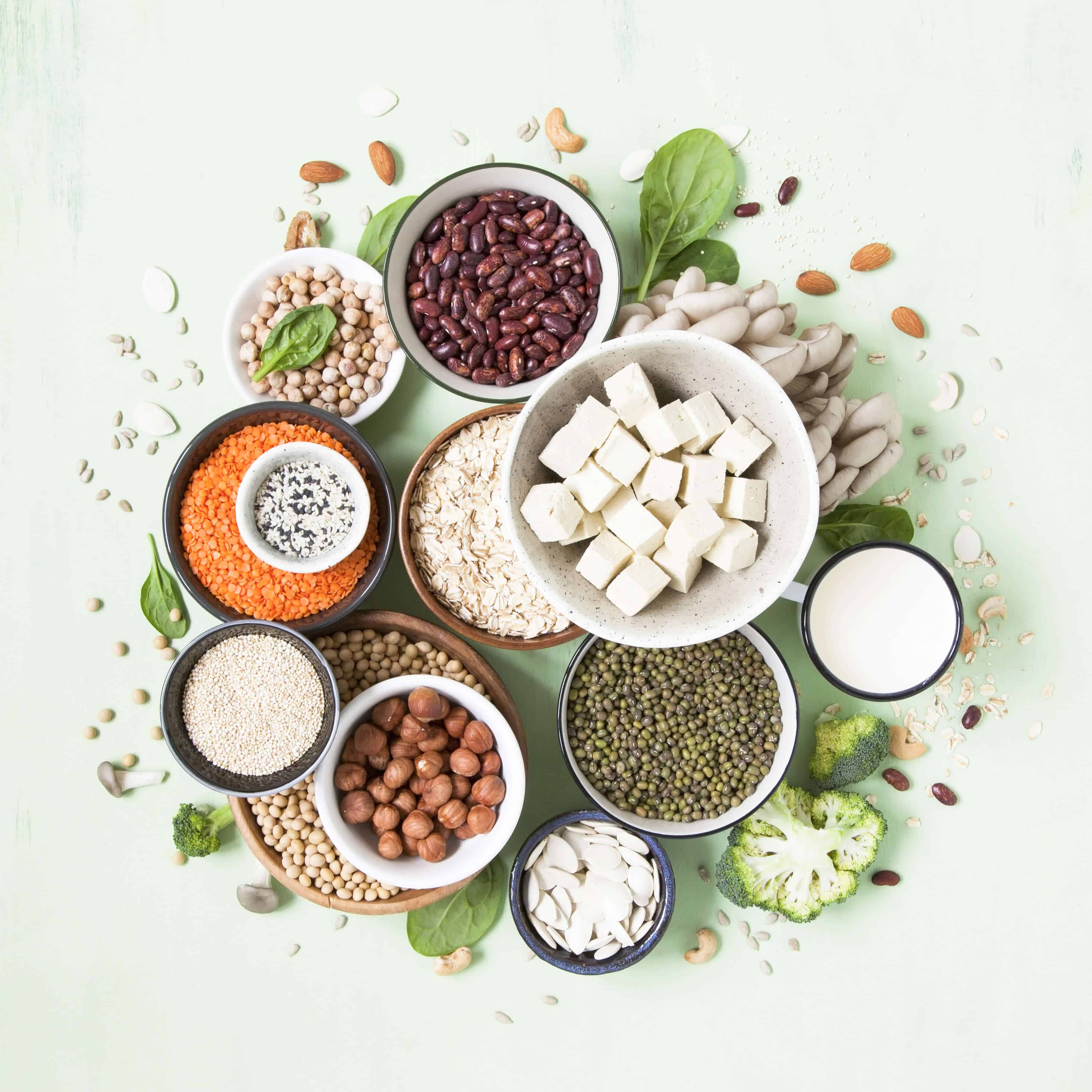
Plant-based proteins have gained immense popularity in recent years, and for good reason. Not only do they provide a sustainable alternative to animal-based proteins, but they also offer numerous health benefits. Whether you’re a vegetarian, vegan, or simply looking to incorporate more plant-based foods into your diet, there are plenty of options available.
One of the most well-known plant-based protein sources is legumes. Lentils, chickpeas, black beans, and kidney beans are not only rich in protein but also packed with fiber and essential nutrients like iron and zinc. They can be easily added to soups, stews, salads or used as the main ingredient in veggie burgers.
Another excellent choice is tofu and tempeh. These soy-based products are versatile and can be cooked in various ways to suit different tastes. Tofu can be baked, sautéed or grilled while tempeh works well when marinated and then baked or stir-fried. Both tofu and tempeh contain significant amounts of protein along with calcium and iron.
Quinoa is a complete protein source that is gluten-free as well. It contains all nine essential amino acids that our bodies need for proper functioning. Quinoa makes a fantastic base for salads or can be enjoyed as a side dish alongside roasted vegetables.
Nuts and seeds are not only delicious but also high in protein content. Almonds, walnuts, chia seeds, hemp seeds are just a few options worth considering. You can snack on them as they are or sprinkle them over yogurt bowls or salads for an extra boost of protein.
Lastly, don’t forget about whole grains such as brown rice and oats which provide both carbohydrates and proteins needed for energy production in our bodies.
In conclusion, incorporating plant-based proteins into your diet has never been easier with the wide range of options available today. Legumes like lentils and beans along with tofu/tempeh offer great sources of protein, while quinoa, nuts, seeds, and whole grains round out a well-rounded plant-based diet. By choosing these alternatives, you not only support sustainable food production but also reap the health benefits they provide.

Leave a Reply