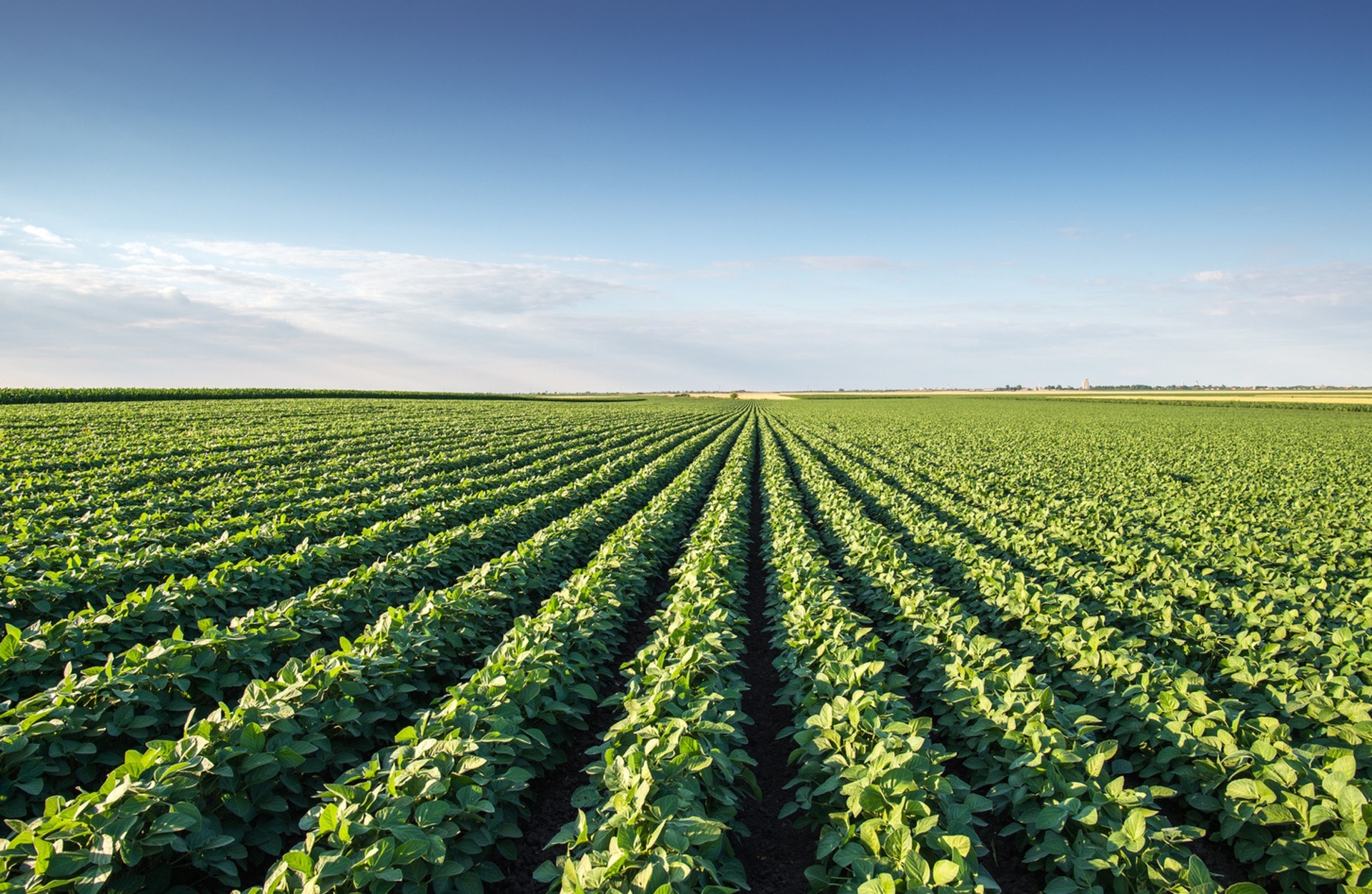
Sustainable agriculture methods are becoming increasingly popular as people become more aware of the environmental impact of conventional farming practices. These methods focus on using natural resources efficiently, minimizing waste, and preserving soil health to ensure long-term productivity. In this interview-style post, we will explore some sustainable agriculture methods with an expert in the field.
Interviewer: Thank you for joining us today. Can you please introduce yourself and explain your expertise in sustainable agriculture?
Expert: Of course! My name is Dr. Sarah Greenfield, and I have been working in the field of sustainable agriculture for over 15 years. I have a Ph.D. in Agricultural Sciences and have conducted extensive research on various sustainable farming techniques.
Interviewer: That’s impressive! Let’s dive into the topic then. What are some key principles behind sustainable agriculture?
Expert: Sustainable agriculture revolves around several core principles. Firstly, it aims to minimize synthetic inputs such as chemical fertilizers and pesticides by utilizing organic alternatives whenever possible. It also emphasizes crop rotation and diversification to improve soil fertility naturally while reducing pest pressure.
Another crucial aspect is water conservation through efficient irrigation systems like drip irrigation or rainwater harvesting techniques. Additionally, farmers practicing sustainability often implement integrated pest management (IPM) strategies that rely on natural predators to control pests rather than relying solely on chemicals.
Lastly, sustainable farming focuses on maintaining biodiversity by preserving habitats for beneficial insects and wildlife within agricultural landscapes.
Interviewer: Those principles sound promising! Could you give us examples of specific practices that fall under these principles?
Expert: Absolutely! One example is agroforestry, which involves integrating trees with crops or livestock production systems. Trees provide shade, reduce erosion, enhance nutrient cycling, sequester carbon dioxide from the atmosphere, and even produce fruits or timber as additional income sources for farmers.
Cover cropping is another practice where non-cash crops like legumes or grasses are grown during fallow periods to prevent soil erosion, improve soil fertility, and suppress weeds. These cover crops also act as a green manure when plowed back into the soil.
Conservation tillage is another essential practice that minimizes soil disturbance by reducing or eliminating plowing. This helps to retain moisture, reduce erosion, and maintain soil structure.
Interviewer: Fascinating! What are the benefits of sustainable agriculture?
Expert: The benefits of sustainable agriculture are numerous. Firstly, it promotes environmental stewardship by reducing pollution from synthetic fertilizers and pesticides while conserving water resources. By practicing crop rotation and using organic inputs, farmers can build healthy soils with improved nutrient cycling capabilities.
Sustainable agriculture methods also contribute to food security by increasing farm resilience to climate change impacts like droughts or floods. Additionally, these practices often lead to healthier produce as they minimize chemical residues in crops.
Moreover, sustainable farming systems support rural economies by creating diverse job opportunities such as organic certification inspectors or experts in agroecology. Finally, consumers who prioritize sustainability can make informed choices about where their food comes from and support local farmers practicing environmentally friendly methods.
Interviewer: Those are significant advantages indeed! Before we wrap up, could you share any success stories related to sustainable agriculture?
Expert: Certainly! One inspiring example is Singing Frogs Farm located in California’s Sonoma County. They have successfully implemented no-till farming techniques combined with cover cropping and compost application. Their approach has resulted in increased soil health and productivity while significantly reducing water usage compared to conventional farms.
Another notable success story is the SRI (System of Rice Intensification) method used in rice cultivation across various countries globally. By adopting certain practices like wider spacing between plants and alternate wetting-drying irrigation techniques, farmers have achieved higher yields with less water usage while reducing greenhouse gas emissions.
Interviewer: Thank you so much for sharing your knowledge and insights on sustainable agriculture methods today!
Expert: You’re welcome! It was my pleasure to contribute. I hope this information encourages more people to embrace sustainable farming practices for a healthier planet and a more secure future.

Leave a Reply