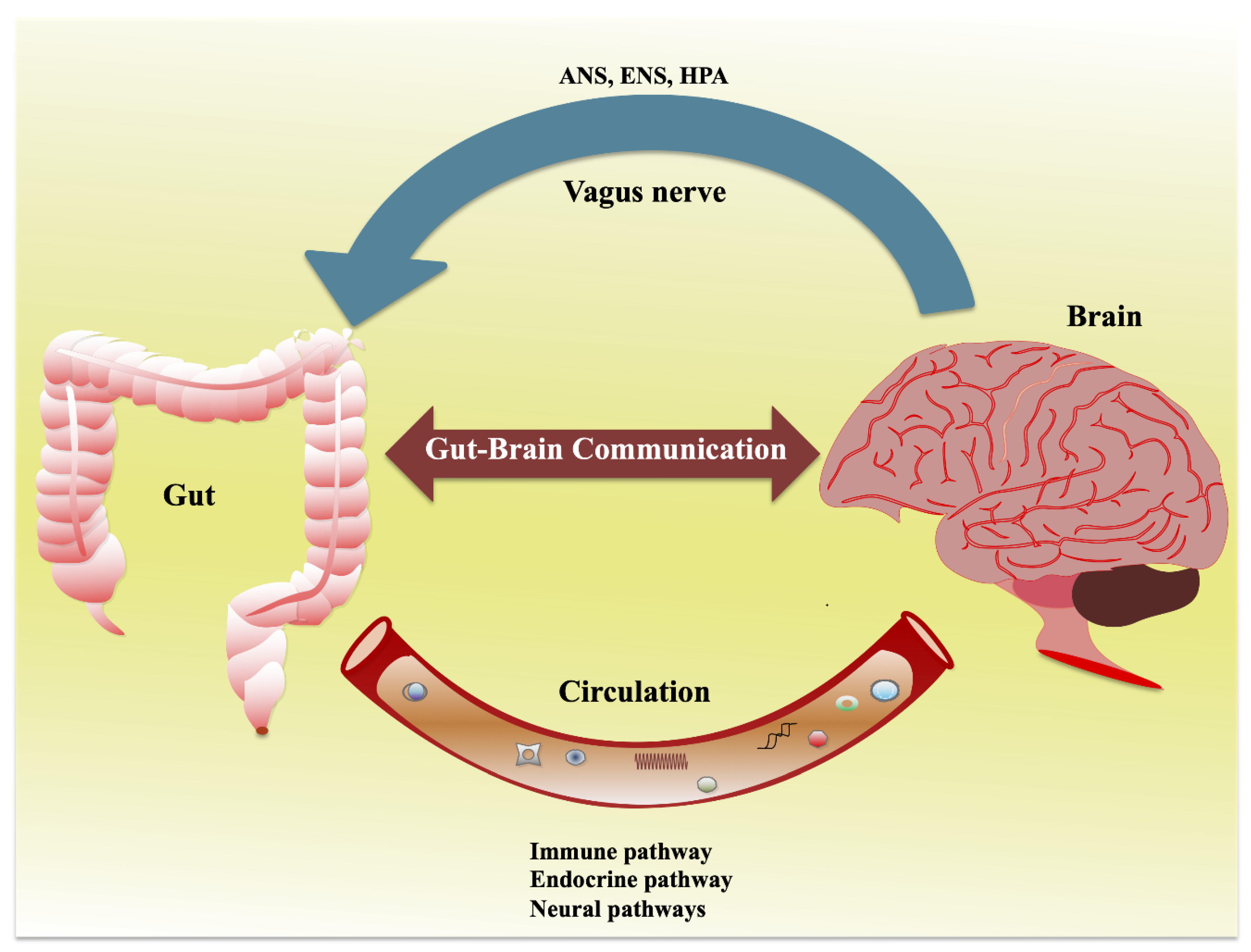
The Gut-Brain Connection: How Your Gut Health Impacts Your Mental Well-being
When it comes to maintaining overall health, we often focus on physical exercise and a balanced diet. However, there is another crucial aspect that plays a significant role in our well-being – the gut-brain connection. This intricate relationship between our gut and brain can have a profound impact on both our physical and mental health.
The gut, often referred to as the “second brain,” houses trillions of bacteria that make up what is known as the gut microbiota. These bacteria play a vital role in various bodily functions, including digestion, immune function, and even mental health.
Research suggests that the communication between your gut and brain goes beyond mere digestion. The microbes in your gut produce neurotransmitters like serotonin, dopamine, and gamma-aminobutyric acid (GABA), all of which are essential for regulating mood and emotions. In fact, about 90% of serotonin production occurs in the digestive tract!
Maintaining a healthy balance of beneficial bacteria in your gut is crucial for optimal mental well-being. An imbalance or dysbiosis can lead to various gastrointestinal issues like irritable bowel syndrome (IBS) or inflammatory bowel disease (IBD). Surprisingly though, studies have shown that these conditions are also associated with an increased risk of anxiety and depression.
So how can you nurture your gut health to support your mental well-being? Here are some tips:
1. Eat a diverse range of fiber-rich foods: Fiber acts as fuel for beneficial bacteria in your gut. Incorporate plenty of fruits, vegetables, whole grains, legumes into your diet to promote a healthy microbiota.
2. Consume fermented foods: Foods like yogurt, kefir, sauerkraut contain probiotics that introduce good bacteria into your system.
3. Minimize processed foods: Processed foods typically lack essential nutrients while being high in unhealthy fats and sugars, which can negatively impact the gut microbiota.
4. Manage stress levels: Chronic stress can disrupt the balance of bacteria in your gut. Incorporate stress management techniques like exercise, meditation, or hobbies into your routine.
5. Consider probiotic supplements: If you struggle to get enough beneficial bacteria from your diet alone, talk to a healthcare professional about probiotic supplements that may support your gut health.
Remember, a healthy gut leads to a healthier mind. By taking care of your digestive system and nourishing it with the right foods, you are not only promoting optimal physical health but also supporting better mental well-being.

Leave a Reply