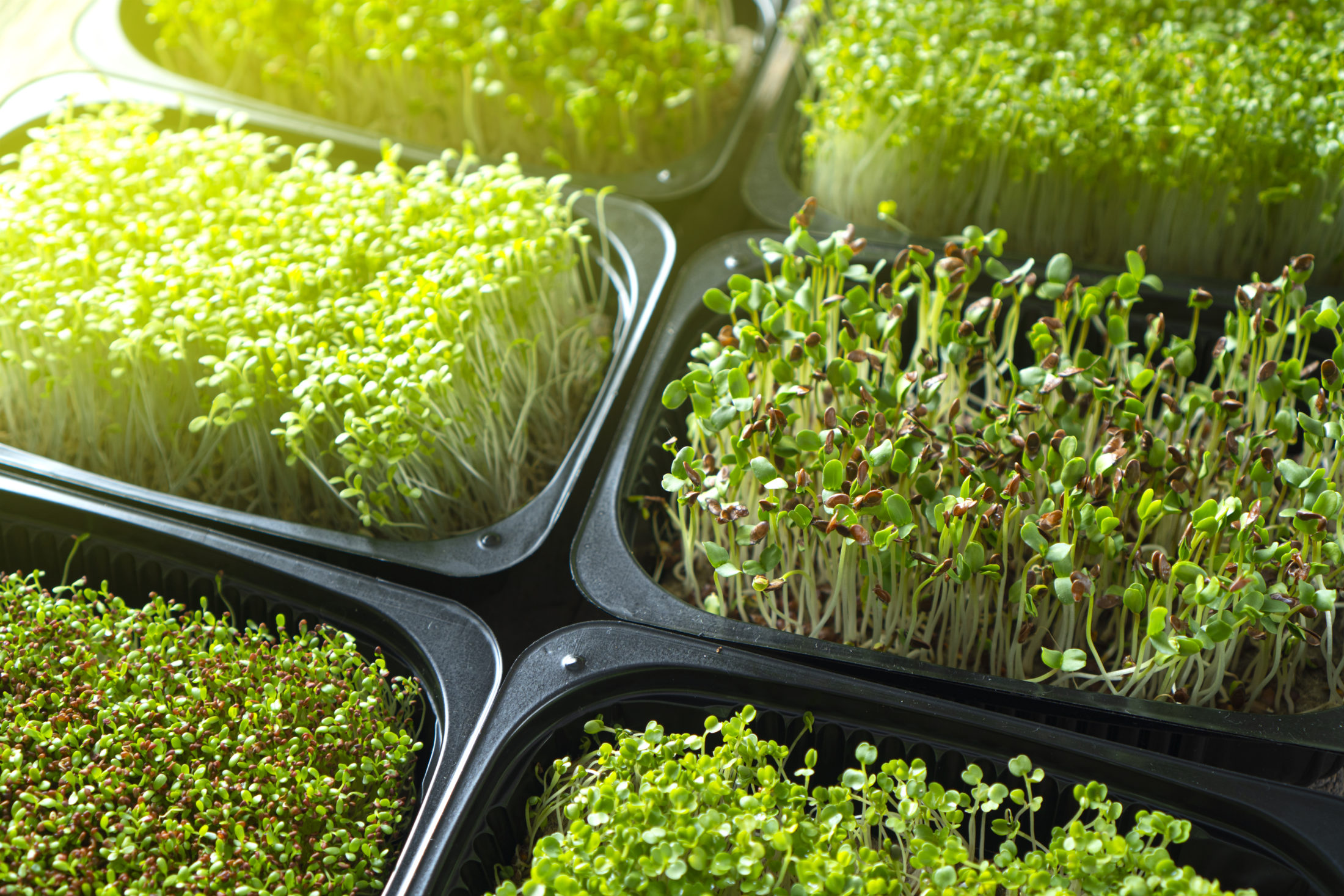
Microgreens are tiny, nutrient-packed plants that have gained popularity in the world of healthy eating. These young vegetable greens are harvested just a few weeks after germination when they reach their maximum nutritional value. With their intense flavors and vibrant colors, microgreens not only add visual appeal to dishes but also offer an array of health benefits.
One of the great things about microgreens is the variety available. From common herbs like basil and cilantro to more exotic options such as amaranth and shungiku, there is a microgreen for every taste bud. Each variety comes with its own unique set of nutrients, making it exciting to experiment with different types.
Let’s explore some popular microgreen varieties and delve into their nutritional profiles:
1. Broccoli Microgreens:
Broccoli microgreens are known for their high levels of sulforaphane—a compound believed to have cancer-fighting properties. These microgreens also contain vitamins A, C, E, and K along with minerals like iron and potassium.
2. Radish Microgreens:
Radish microgreens pack a punch both in terms of flavor and nutrition. They are a rich source of vitamins A, B6, C, E, and K while also providing minerals such as calcium and magnesium. Additionally, radish microgreens are abundant in antioxidants that help protect against cellular damage caused by free radicals.
3. Pea Microgreens:
Pea shoots or pea microgreens possess a sweet flavor reminiscent of fresh peas but with added crunchiness. They offer an impressive nutritional profile including vitamins A, B1 (thiamine), B2 (riboflavin), C, folic acid (B9), iron, zinc, chlorophylls, carotenes (precursors to vitamin A), omega-3 fatty acids—ALA (alpha-linolenic acid), fiber among others.
4. Sunflower Microgreens:
Sunflower microgreens boast a mild nutty flavor and are a great source of vitamin E, an antioxidant that supports healthy skin and promotes cardiovascular health. These microgreens also provide essential minerals such as copper, manganese, selenium, and zinc.
5. Kale Microgreens:
Kale is often hailed as a superfood due to its exceptional nutritional value, and kale microgreens are no exception. Packed with vitamins A, C, K, and folate along with minerals like calcium and potassium, these tiny greens offer a concentrated dose of goodness.
6. Cilantro Microgreens:
Cilantro microgreens add a burst of fresh flavor to any dish. They are rich in antioxidants that help fight inflammation in the body. Additionally, cilantro microgreens contain vitamins A, C, E, K as well as minerals such as iron and potassium.
7. Red Amaranth Microgreens:
Red amaranth microgreens not only bring vibrant color to your plate but also provide an array of nutrients including vitamins A (beta-carotene), B1 (thiamine), B2 (riboflavin), B3 (niacin), C; folate; calcium; iron; magnesium; phosphorus; potassium; zinc among others.
8. Basil Microgreens:
Basil microgreens have a distinct aroma and lend dishes a unique taste reminiscent of their mature counterparts. They contain essential oils that possess antibacterial properties along with vitamins A, C, K—important for bone health—and various minerals like calcium and magnesium.
9. Beet Microgreens:
Beet microgreens not only add vibrant color but also deliver impressive nutrition to your meals. They are packed with vitamins A,C,E,K,B6 alongside beneficial compounds like betalains—an antioxidant known for its anti-inflammatory properties—fiber among other nutrients.
10. Chard Microgreen:
Chard microgreens come in various colorful varieties including rainbow chard which adds visual appeal to dishes while providing a host of vitamins and minerals. They are particularly rich in vitamins A, C, K as well as magnesium and potassium.
When it comes to incorporating microgreens into your diet, the possibilities are endless. Add them to salads, sandwiches, wraps, smoothies, or use them as a garnish for soups and main dishes. The versatility of microgreens makes it easy to enjoy their nutritional benefits on a daily basis.
Remember that while microgreens offer concentrated nutrients compared to fully grown vegetables, they should not be considered a replacement for a balanced diet. It’s important to consume a variety of fruits, vegetables, whole grains, lean proteins, and healthy fats to ensure optimal nutrition.
In conclusion, microgreens are tiny powerhouses of nutrition that can elevate both the flavor and health quotient of your meals. With an array of varieties available—each with its own unique set of nutrients—they offer an exciting way to boost your nutrient intake. So go ahead and experiment with different microgreen varieties; your taste buds and body will thank you!

Leave a Reply