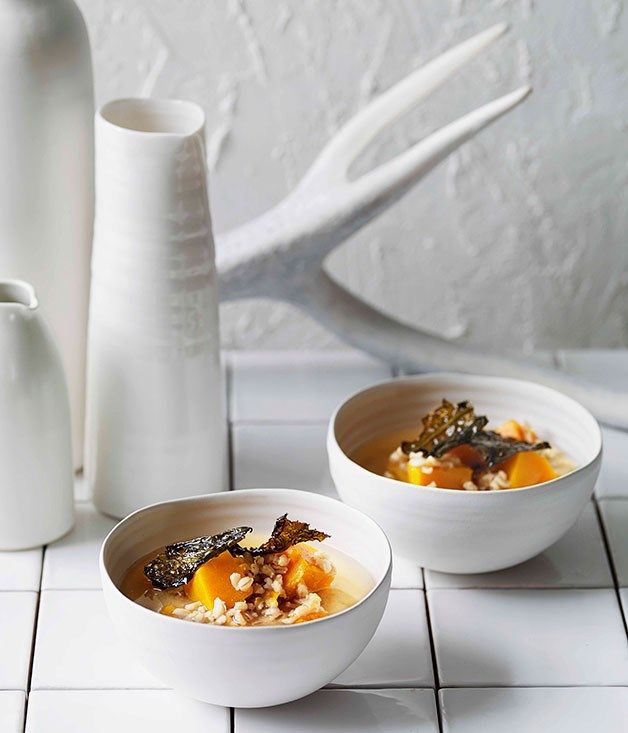
Miso: The Secret Ingredient in Asian Fusion Cuisine
When it comes to Asian fusion cuisine, one ingredient often takes center stage for its unique and distinctive flavor – miso. Miso is a traditional Japanese seasoning made from fermented soybeans, rice or barley, salt, and koji (a type of mold). This versatile ingredient adds depth and complexity to dishes, making it a favorite among chefs and food enthusiasts alike. In this article, we will explore the wonders of miso and how it can elevate your Asian fusion dishes to new heights.
Originating in Japan over 1,000 years ago, miso has been an integral part of Japanese cuisine ever since. It is known for its rich umami flavor profile that enhances the taste of any dish it’s added to. Traditionally used in soups like miso soup (which is now popular worldwide), miso has gradually found its way into various other recipes such as marinades, dressings, glazes, sauces, and even desserts.
One key reason behind the popularity of miso is its health benefits. Being fermented food provides several advantages for our gut health. Miso contains beneficial bacteria that aid digestion and promote a healthy gut microbiome. Additionally, it is a good source of protein containing all essential amino acids necessary for our body’s functions. Miso also provides vitamins B12 and K2 along with minerals like manganese and copper.
The versatility of miso lies in its different varieties based on fermentation time and ingredients used. The most common types are white (shiro) miso which has a milder flavor; red (aka) miso with a deep umami taste; yellow (shinshu) miso offering a sweet yet savory profile; and barley (mugi) miso that adds earthiness to dishes. Each type brings its own distinct character to recipes allowing you to experiment with flavors while keeping the base note intact.
Asian fusion cuisine thrives on the harmonious blending of flavors and textures from various cultures. Miso plays a crucial role in achieving this balance by complementing both traditional Asian ingredients and those adopted from other cuisines. For example, miso can be used as a glaze for grilled salmon, giving it a sweet and savory crust that nicely contrasts with the fish’s tenderness. It can also be mixed with soy sauce, ginger, and garlic to create a delicious marinade for stir-fried vegetables or tofu.
Miso doesn’t stop at savory dishes; it can also bring its unique flavor to desserts. Miso caramel has gained popularity among pastry chefs who appreciate its umami-rich notes combined with the sweetness of caramel. This unexpected combination creates an indulgent treat that surprises taste buds and adds depth to classic desserts like ice cream or chocolate brownies.
In conclusion, miso is undoubtedly an essential ingredient in Asian fusion cuisine due to its incredible versatility and health benefits. Its umami flavor profile enhances any dish it touches, whether it’s soups, marinades, dressings, or even desserts. So why not explore the wonders of miso in your kitchen? With countless possibilities awaiting you, there’s no doubt that incorporating miso into your Asian fusion recipes will take them to new heights of flavor complexity and satisfaction.

Leave a Reply