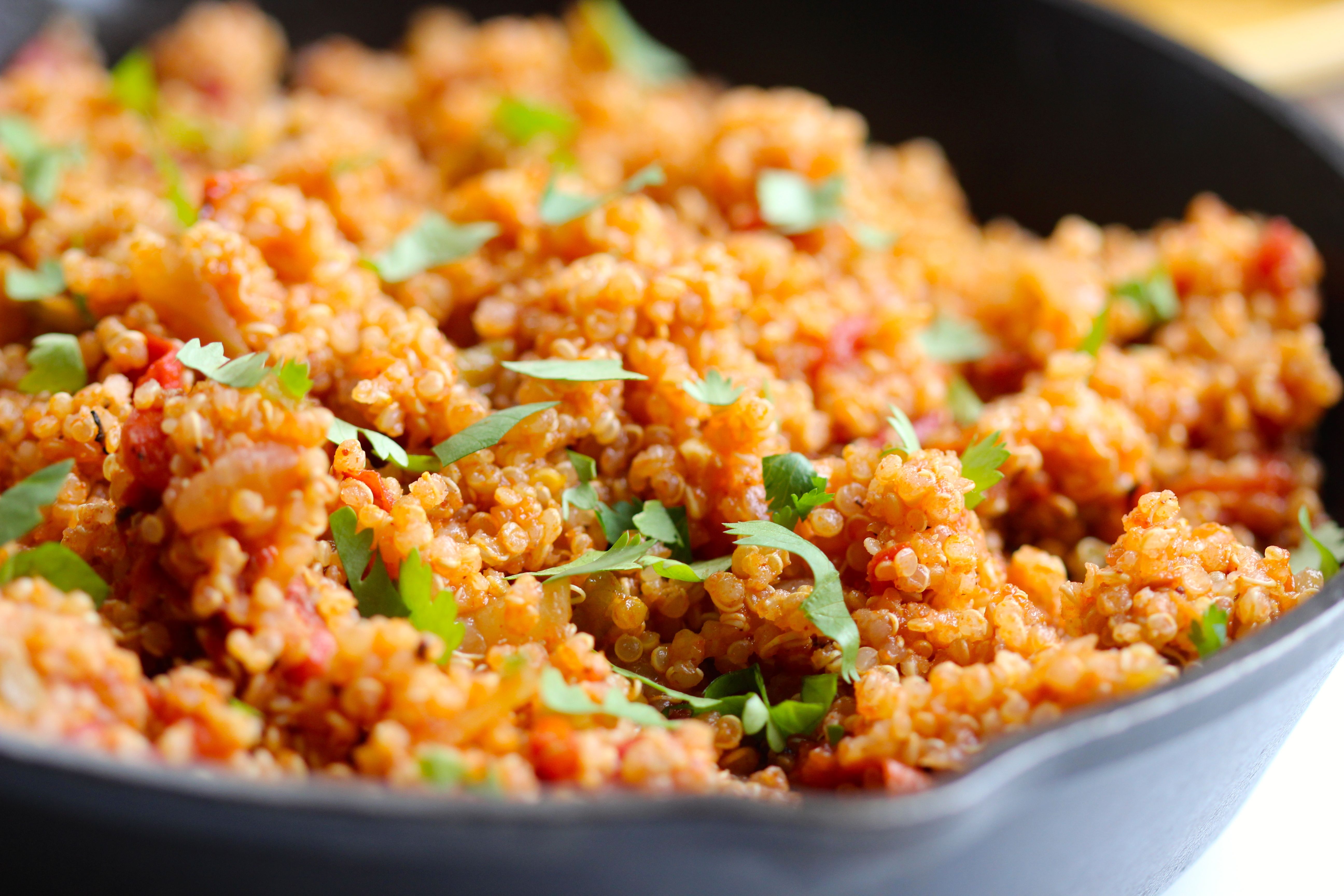
Using quinoa as a substitute for rice or pasta
Quinoa has gained popularity in recent years as a versatile and healthy grain alternative. It is not only packed with essential nutrients but also offers a unique texture and flavor that can be used to replace traditional staples like rice or pasta in various dishes. Whether you’re looking to add variety to your meals, follow a gluten-free diet, or simply incorporate more nutritious options into your eating habits, quinoa is an excellent choice.
What is quinoa?
Quinoa (pronounced KEEN-wah) is technically not a grain but rather a seed from the goosefoot plant. It originated in the Andean region of South America and has been cultivated for thousands of years by indigenous peoples such as the Incas. Quinoa comes in different varieties, including white, red, black, and tri-color (a mix of all three).
Why choose quinoa over rice or pasta?
While rice and pasta have their own merits, quinoa brings certain advantages to the table when it comes to nutrition and overall health benefits. Here are some reasons why you might consider making the switch:
1. High nutritional value: Quinoa is considered a superfood due to its impressive nutrient profile. It’s rich in protein, containing all nine essential amino acids that our bodies need. This makes it an ideal option for vegetarians or vegans seeking plant-based sources of protein.
2. Gluten-free alternative: For individuals with celiac disease or gluten sensitivity, finding suitable substitutes for grains like wheat can be challenging. Quinoa naturally lacks gluten and serves as an excellent replacement without compromising taste or texture.
3. Complex carbohydrates: Unlike refined grains found in white rice or regular pasta which have been stripped of most nutrients during processing, quinoa contains complex carbohydrates that provide sustained energy release throughout the day.
4. Dietary fiber: Fiber plays a crucial role in maintaining digestive health by promoting regular bowel movements and preventing constipation. Quinoa is an excellent source of dietary fiber, which aids in digestion and supports overall gut health.
How to prepare quinoa as a rice substitute:
Cooking quinoa is relatively simple and requires minimal effort. Here’s a basic method to prepare it as a replacement for rice:
1. Rinse the quinoa: Before cooking, rinse the quinoa thoroughly under cold water to remove any bitterness caused by natural compounds called saponins.
2. Ratio of water to quinoa: For fluffy cooked quinoa, use a ratio of 2 parts liquid (water or broth) to 1 part quinoa. For example, if you’re using 1 cup of dry quinoa, add 2 cups of liquid.
3. Cooking process: In a saucepan, bring the liquid and rinsed quinoa to a boil over medium-high heat. Once boiling, reduce the heat to low, cover the pan with a tight-fitting lid, and let it simmer for about 15-20 minutes or until all the liquid is absorbed.
4. Fluff and serve: After removing from heat, let the cooked quinoa sit covered for an additional 5 minutes before fluffing it with a fork. This step ensures that excess moisture evaporates completely, resulting in light and separate grains.
Incorporating cooked quinoa into your favorite dishes:
Now that you have perfectly cooked quinoa ready at hand let’s explore some exciting ways to incorporate it into your meals:
1. Quinoa salad: Toss cooled cooked quinoas with fresh vegetables like cherry tomatoes, cucumbers, bell peppers along with herbs such as parsley or cilantro for a refreshing summer salad.
2. Stir-fry alternative: Instead of using rice in stir-fries or fried rice recipes, swap it out with cooked chilled leftover quinoas for added texture and nutritional value.
3. Stuffed vegetables: Hollowed-out bell peppers, zucchini, or mushrooms can be filled with a mixture of cooked quinoa, sautéed vegetables, and cheese. Bake until the vegetables are tender and the filling is heated through.
4. Quinoa pilaf: Sauté diced onions in olive oil until translucent, then add cooked quinoas and broth. Simmer until the liquid is absorbed and season with herbs like thyme or rosemary for a flavorful side dish.
5. Quinoa porridge: For a hearty breakfast option, cook quinoas with milk (or plant-based alternatives) along with your choice of sweeteners like honey or maple syrup. Top it off with fruits and nuts for added crunch.
Quinoa as a pasta substitute:
If you’re craving Italian dishes but want to avoid refined white flour pasta, using quinoa as an alternative can be incredibly satisfying:
1. Quinoa macaroni and cheese: Substitute regular macaroni noodles with gluten-free quinoa pasta in your favorite macaroni and cheese recipe for a healthier twist on this classic comfort food.
2. Quinoa spaghetti bolognese: Replace traditional wheat-based spaghetti noodles with quinoa spaghetti when making your favorite tomato-based pasta sauce.
3. Cold noodle salads: Instead of using soba or rice noodles in Asian-inspired cold noodle salads, try tossing chilled cooked quinoas into vibrant dressings flavored with soy sauce, sesame oil, ginger, and garlic.
Conclusion:
Incorporating quinoa into your diet as a substitute for rice or pasta offers numerous health benefits without compromising taste or texture. With its high nutritional value and versatility in various recipes from salads to stir-fries to pilafs to porridges – there are endless possibilities to explore! So why not give this ancient grain-turned-superfood a chance? Your taste buds and body will thank you!

Leave a Reply