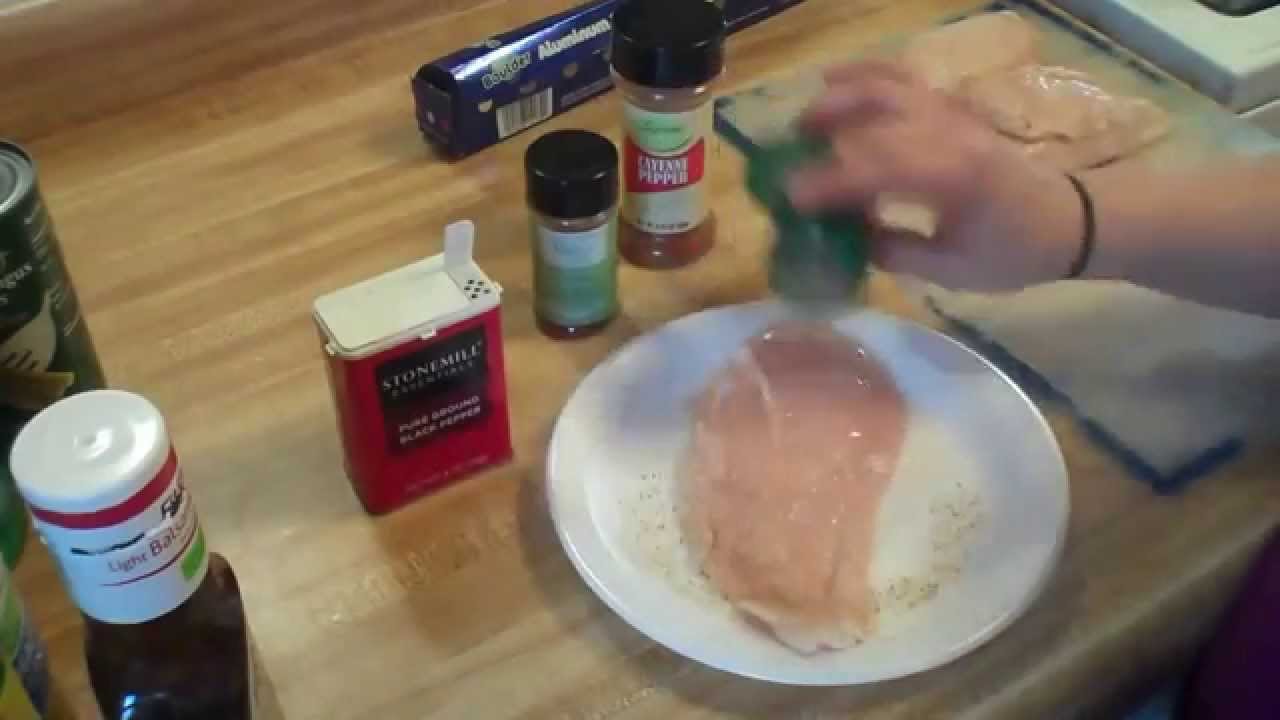
Cooking in Bulk and Freezing Meals for Later Consumption
In today’s fast-paced world, finding time to cook healthy meals can be a challenge. Many of us resort to convenient but often unhealthy options like takeout or processed foods. However, there is a simple solution that can save you time, money, and help you maintain a healthy diet – cooking in bulk and freezing meals for later consumption.
Cooking in bulk involves preparing larger quantities of food than needed for one meal. By doing this, you can divide the extra portions into individual servings and freeze them for future use. This method has gained popularity over the years due to its numerous benefits.
1. Time-saving:
One of the most significant advantages of cooking in bulk is the time it saves you in the long run. Planning and preparing multiple meals at once allows you to allocate specific times for cooking rather than having to do it every day. Once your freezer is stocked with pre-made meals, all you need to do is defrost and reheat when ready to eat.
2. Cost-effective:
Buying ingredients in larger quantities often comes with cost savings since buying in bulk tends to be cheaper per unit compared to purchasing smaller amounts more frequently. Additionally, by avoiding frequent trips to the grocery store or ordering takeout regularly, you reduce impulse purchases or delivery fees that add up over time.
3. Portion control:
Preparing your own frozen meals gives you control over portion sizes, which is essential for maintaining a balanced diet. By dividing your cooked dishes into individual servings before freezing them, you ensure that each portion contains appropriate amounts of protein, carbohydrates, fats, and nutrients.
4. Healthier eating habits:
When life gets busy or we’re feeling tired after a long day at work, making unhealthy food choices becomes tempting because they seem quick and easy. By having nutritious pre-cooked homemade meals readily available in your freezer instead of relying on processed foods or takeout options, you can make healthier choices effortlessly.
5. Reduces food waste:
Cooking in bulk and freezing meals also helps reduce food waste. By utilizing ingredients before they spoil, you are not only saving money but also contributing to a more sustainable lifestyle. Additionally, freezing meals allows you to store leftovers and prevent them from being thrown away.
Now that we understand the benefits of cooking in bulk let’s explore some tips and guidelines for effective meal prep:
1. Plan your meals:
Before starting your bulk cooking session, plan out which recipes you want to prepare and how many servings of each you’ll need. This will help ensure that you have enough ingredients on hand and avoid any last-minute confusion or wastage.
2. Invest in quality storage containers:
Investing in high-quality airtight containers or freezer bags is crucial to maintain the taste, texture, and nutritional value of your frozen meals. Make sure they are microwave-safe if reheating directly from the freezer.
3. Label everything clearly:
Label each container with the name of the dish, date prepared, and reheating instructions (if necessary). This will help you keep track of what’s inside your freezer and ensure that nothing goes to waste due to forgetting what it is or when it was made.
4. Choose appropriate recipes:
Not all dishes freeze well; some may lose their texture or flavor after defrosting/reheating. Stick with recipes specifically designed for freezing or opt for dishes like soups, stews, casseroles, pasta bakes – anything that doesn’t rely heavily on fresh produce as these tend to freeze best.
5. Cook food thoroughly before freezing:
Ensure that all dishes are cooked thoroughly before portioning them out for freezing as partially raw foods won’t cook evenly when reheated later on.
6. Cool down properly:
Allow hot foods to cool down completely at room temperature before transferring them into the freezer containers; otherwise, condensation may form and affect the quality of your frozen meal.
7. Freeze individual portions:
Divide larger batches into individual portions to make it easier to defrost only what you need at any given time. This prevents unnecessary waste and allows for more flexibility in planning meals.
8. Keep a freezer inventory:
Maintain a list or spreadsheet detailing all the meals in your freezer, including their names, dates, and quantities. This will help you keep track of what’s available and when it’s time to restock.
9. Follow safe thawing practices:
When ready to eat, always thaw frozen meals safely by transferring them from the freezer to the refrigerator overnight or using the defrost function on your microwave if necessary.
10. Reheat properly:
To ensure optimal taste and safety, reheat frozen meals thoroughly until they reach an internal temperature of 165°F (74°C). Stirring occasionally during reheating helps distribute heat evenly.
Cooking in bulk and freezing meals is an excellent strategy for anyone looking to save time, money, reduce food waste, and maintain healthy eating habits. By following these tips and guidelines, you can transform your cooking routine into a more efficient process that supports your overall well-being. Start incorporating this practice into your lifestyle today – trust me; you won’t regret it!

Leave a Reply