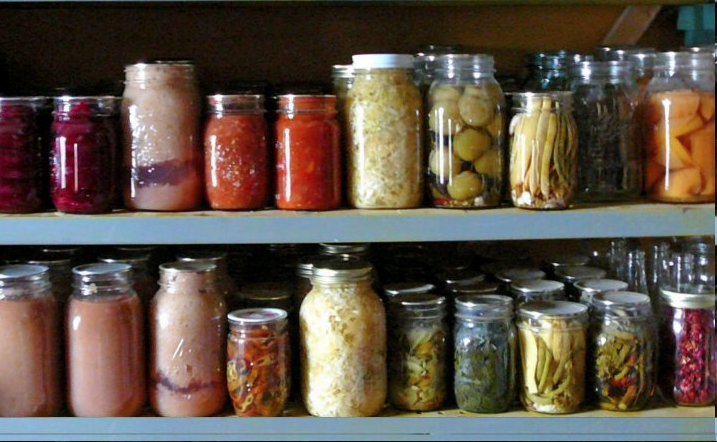
Lesser-known fermented beverages enjoyed in Mediterranean cultures:
Fermentation has been an integral part of Mediterranean cultures for centuries, and as a result, they have developed a wide variety of unique and delicious fermented beverages. These lesser-known drinks offer not only distinct flavors but also numerous health benefits. Let’s explore some of these traditional fermented beverages.
1. Ayran: Originating from Turkey, Ayran is a refreshing yogurt-based drink. It is made by mixing yogurt with water and adding a pinch of salt. The fermentation process gives it a tangy taste while also providing probiotics that aid digestion.
2. Boza: Popular in the Balkans and parts of Eastern Europe, Boza is a thick, low-alcohol beverage made from fermented grains like millet or wheat flour. It has a slightly sweet and sour flavor profile due to the fermentation process.
3. Tepache: Hailing from Mexico but commonly consumed in Mediterranean regions as well, Tepache is a fermented pineapple drink infused with spices like cinnamon and cloves. The natural sugars in the pineapple undergo fermentation, resulting in a tangy and mildly alcoholic beverage.
4. Kvass: This traditional Slavic beverage is made by fermenting rye bread or barley malt with water, sugar, and sometimes fruits or herbs are added for additional flavoring. Kvass has low alcohol content (less than 1%) but offers probiotics and essential nutrients derived from whole grains.
5. Kefir: While kefir has gained popularity worldwide recently, it originates from the Caucasus region bordering the Mediterranean Sea. Kefir grains are added to milk to initiate the fermentation process which produces an effervescent yoghurt-like drink packed with beneficial bacteria.
6. Raki: Known as “lion’s milk,” Raki is an anise-flavored alcoholic beverage popular in Turkey, Greece, Cyprus, Lebanon, and other countries around the Mediterranean region. Made from fermented grapes or other fruits, it is typically consumed as an aperitif or after-dinner digestif.
These lesser-known fermented beverages not only offer unique and refreshing flavors but also provide numerous health benefits. The fermentation process increases the bioavailability of nutrients, aids digestion, promotes gut health, and boosts the immune system. So why not venture beyond familiar drinks like wine and beer and explore these traditional Mediterranean fermented beverages? They are not only delicious but also contribute to a healthy lifestyle.
Exploring ancient grains like farro:
As the quest for healthier eating continues, ancient grains have gained popularity due to their exceptional nutritional value. One such grain that has been making a comeback is farro. Originating in ancient Mesopotamia (modern-day Iraq), farro has been cultivated for thousands of years and was a staple in Mediterranean diets.
Farro belongs to the wheat family but differs from modern wheat varieties in several ways. It has a nutty flavor, chewy texture, and higher protein content compared to regular wheat. Additionally, it contains more fiber, vitamins (B vitamins) and minerals (iron, magnesium) than refined grains.
One of the reasons farro has become popular is its versatility in various dishes. It can be used as a substitute for rice or pasta in salads, soups, stews or served on its own as a side dish. Farro can also be ground into flour for baking breads or added to cereals and granolas.
Cooking farro requires boiling it until tender yet slightly chewy – similar to al dente pasta – which usually takes about 25-30 minutes depending on the type of farro used (pearled vs semi-pearled vs whole). Once cooked, it can be seasoned with herbs and spices according to taste preferences.
The nutritional benefits of incorporating farro into your diet are plentiful. Its high fiber content aids digestion while its complex carbohydrates provide sustained energy. Farro is also a good source of plant-based protein, making it an excellent choice for vegetarians and vegans.
In conclusion, farro is not only a nutritious ancient grain but also a versatile ingredient that can be enjoyed in various dishes. Its rich history and exceptional health benefits make it an ideal addition to any healthy eating plan. So why not explore the world of farro and discover new culinary possibilities while nourishing your body?

Leave a Reply