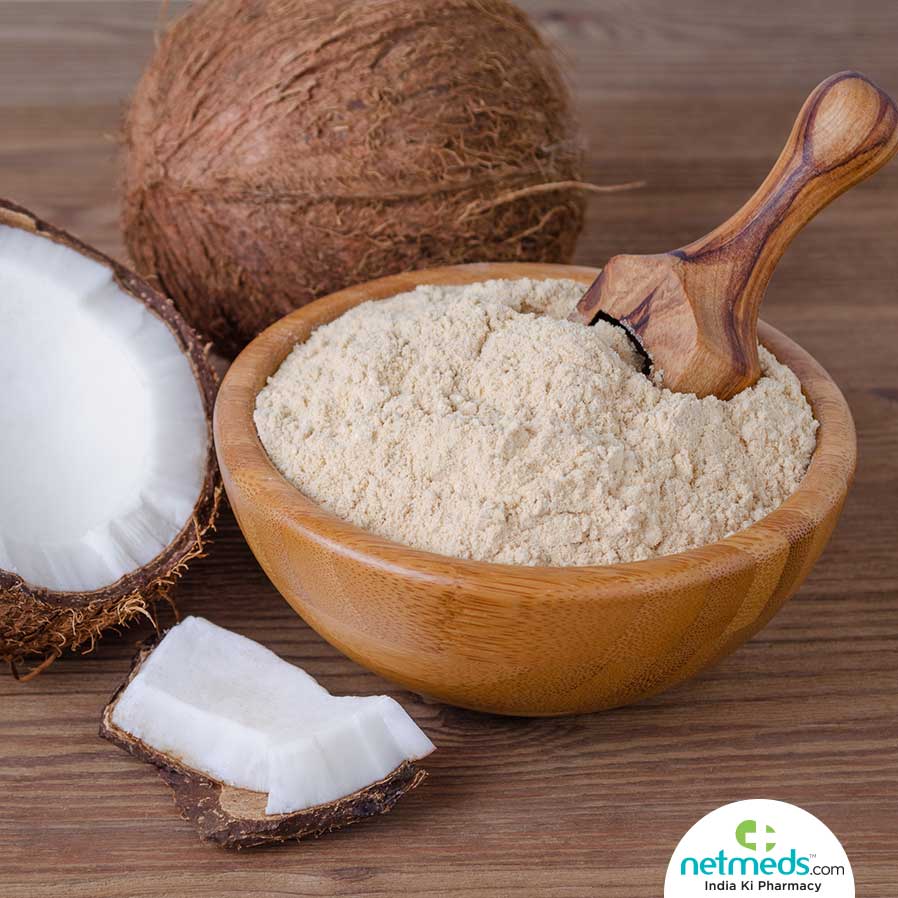
Coconut flour has gained popularity in recent years as a healthy alternative to traditional wheat flour. Made from dried coconut meat, it is gluten-free and rich in fiber, making it a great option for those with dietary restrictions or seeking to increase their fiber intake. In addition to being a versatile ingredient for baking, coconut flour offers several health benefits that make it worth incorporating into your diet.
One of the key advantages of coconut flour is its high fiber content. Fiber plays an essential role in digestion and can help regulate blood sugar levels, promote satiety, and support overall gut health. Coconut flour contains significantly more fiber than traditional wheat flours, making it an excellent choice for individuals looking to increase their fiber intake naturally.
Another benefit of using coconut flour is its low glycemic index (GI). Foods with a low GI are digested more slowly by the body, resulting in a slower release of glucose into the bloodstream. This can help stabilize blood sugar levels and prevent spikes and crashes throughout the day. For people with diabetes or anyone aiming to manage their blood sugar levels, using coconut flour as a substitute for regular flour can be particularly advantageous.
In addition to being high in fiber and having a low GI, coconut flour also contains healthy fats known as medium-chain triglycerides (MCTs). MCTs are easily absorbed by the body and converted into energy rather than stored as fat. They have been linked to various health benefits such as improved brain function, increased metabolism, and enhanced weight management.
When using coconut flour in recipes, it’s important to note that its unique properties require some adjustments compared to traditional flours. Due to its high absorbency rate and lack of gluten proteins found in wheat flours, recipes often require additional moisture or eggs for binding purposes. It’s recommended that you follow specific recipes designed specifically for coconut flour or experiment with small amounts until you find the right balance.
Coconut flour can be used in a wide range of dishes, from baked goods like cakes, cookies, and bread to savory meals such as pancakes, pizza crusts, and even fried foods. Its subtle nutty flavor adds a delicious touch to recipes while incorporating the numerous health benefits it offers.
In conclusion, coconut flour is an excellent alternative to traditional wheat flours for those seeking a gluten-free option or looking to increase their fiber intake. With its high fiber content, low glycemic index, and healthy fat profile, coconut flour provides several health benefits that make it a valuable addition to any diet. However, it’s important to note that using coconut flour may require recipe adjustments due to its unique properties. So whether you’re baking a batch of cookies or preparing a savory dish, consider reaching for coconut flour as a nutritious and tasty ingredient option.

Leave a Reply