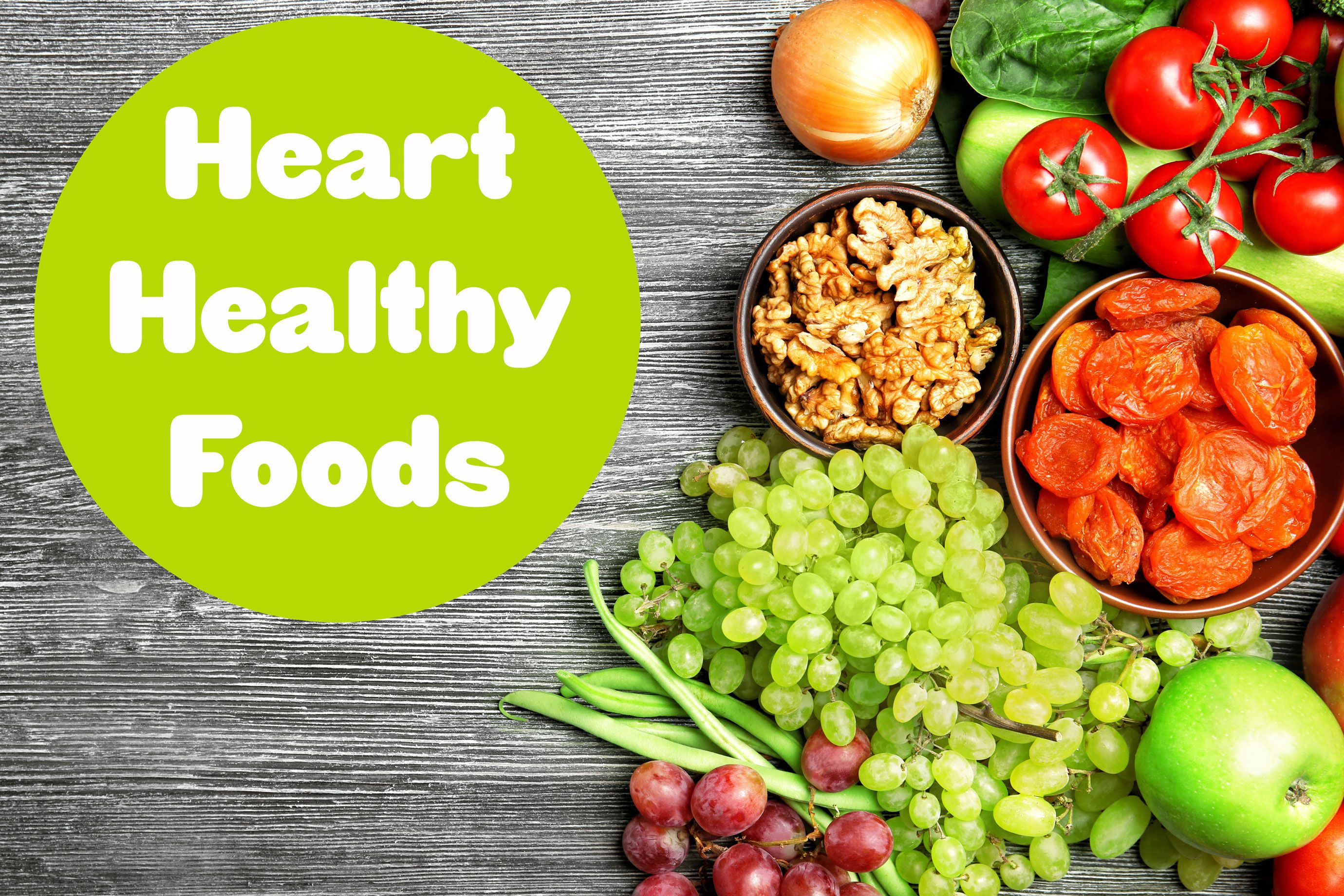
A high-protein diet has become increasingly popular in recent years, with many people turning to this eating plan for weight loss and muscle building. However, concerns have been raised about the impact of high-protein diets on heart health. In this article, we will explore the relationship between high-protein diets and heart health and provide some guidelines for a balanced approach.
1. High-quality protein sources: Opt for lean proteins such as poultry, fish, legumes, and low-fat dairy products. These foods are not only rich in protein but also contain essential nutrients like omega-3 fatty acids that promote heart health.
2. Balance is key: While focusing on protein intake is important, it should be part of a well-rounded diet that includes fruits, vegetables, whole grains, and healthy fats like nuts and seeds. A balanced approach ensures you get all the necessary nutrients while minimizing potential risks associated with excessive protein consumption.
3. Consider plant-based proteins: Plant-based proteins are an excellent choice for those concerned about heart health. Foods like tofu, tempeh, quinoa, lentils, and beans are packed with protein while being lower in saturated fat compared to animal-based sources.
4. Monitor portion sizes: It’s crucial to eat adequate portions of protein without going overboard. Aim for 20-30 grams per meal or snack throughout the day rather than consuming large amounts at once.
5. Limit processed meats: Processed meats like sausages and deli cuts tend to be high in sodium and unhealthy fats linked to heart disease when consumed excessively or regularly. Opt for fresh alternatives whenever possible.
6. Be cautious with red meat: While red meat can be a good source of iron and vitamin B12, it’s advisable to consume it in moderation due to its higher saturated fat content compared to other protein sources.
7. Prioritize unsaturated fats: Incorporate healthy fats into your diet by choosing foods like avocados, olive oil, nuts, and seeds. These fats have been shown to support heart health when consumed in moderation.
8. Stay hydrated: Adequate hydration is essential for heart health and overall well-being. Be sure to drink enough water throughout the day while following a high-protein diet.
9. Consult a healthcare professional: If you have pre-existing heart conditions or concerns about your cardiovascular health, it’s always wise to consult with a healthcare professional before making any major dietary changes.
10. Monitor cholesterol levels: High-protein diets may lead to increased cholesterol levels in some individuals. Regularly checking your lipid profile can help you keep track of any changes and make necessary adjustments to your diet if needed.
11. Exercise regularly: Pairing a high-protein diet with regular physical activity can be beneficial for heart health by improving cardiovascular fitness and maintaining healthy body weight.
12. Avoid excessive reliance on supplements: While protein supplements can be convenient for meeting daily protein needs, it’s best to prioritize whole food sources whenever possible as they provide additional nutrients that are beneficial for heart health.
13. Practice mindful eating: Focus on enjoying your meals mindfully rather than rushing through them. Pay attention to hunger cues and stop eating when you feel satisfied but not overly full.
14. Maintain a healthy weight: Excessive weight gain or obesity can increase the risk of developing cardiovascular diseases. A balanced high-protein diet combined with regular exercise can assist in achieving and maintaining a healthy weight range.
15. Individualize your approach: Everyone’s nutritional needs differ based on factors such as age, sex, activity level, and existing medical conditions. It is important to personalize your dietary choices to suit your unique requirements while keeping overall heart health in mind.
Remember that although high-protein diets have their benefits, moderation and balance are key for optimal heart health outcomes.

Leave a Reply