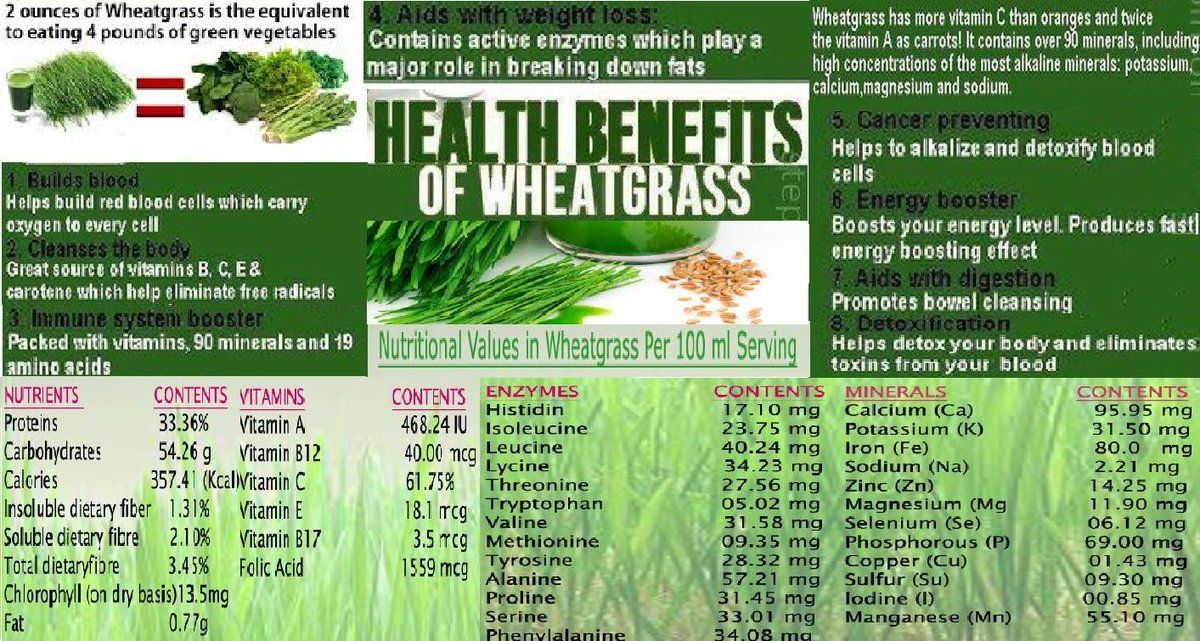
Wheatgrass has gained popularity in recent years as a superfood supplement that offers numerous health benefits. Derived from the young shoots of the wheat plant, this vibrant green grass is packed with essential vitamins, minerals, and antioxidants. Many people swear by its ability to boost energy levels, support detoxification, and improve overall well-being. In this memoir-style post, we will explore the effectiveness of wheatgrass supplements and their impact on our health.
Firstly, it’s important to note that wheatgrass is incredibly nutrient-dense. It contains high levels of chlorophyll, which gives it its vibrant color and acts as a powerful antioxidant. Additionally, it is rich in vitamins A, C, E, and K – all of which play crucial roles in supporting immune function and promoting healthy skin.
One of the most touted benefits of wheatgrass is its potential to boost energy levels. Some individuals claim that consuming wheatgrass supplements can provide a natural energy lift without the crash often associated with caffeine or sugar-based stimulants. While scientific research on this specific claim remains limited, many users report feeling more energized after incorporating wheatgrass into their daily routine.
Furthermore, wheatgrass is believed to aid in detoxification due to its ability to stimulate liver function and promote bowel movements. The chlorophyll content in wheatgrass helps rid the body of harmful toxins while also acting as a natural deodorizer for internal organs such as the kidneys and liver.
In addition to detoxification benefits, some studies suggest that wheatgrass may have anti-inflammatory properties. Chronic inflammation has been linked to various health conditions such as heart disease and arthritis. By reducing inflammation within the body through regular consumption of wheatgrass supplements or juice shots made from fresh blades of grass can potentially contribute positively towards overall health.
Another reason why individuals turn to wheatgrass supplements is for their potential role in weight management efforts. Wheatgrass has a low-calorie content but provides vital nutrients necessary for maintaining a healthy metabolism. However, it’s essential to note that while wheatgrass can be part of a balanced diet, it is not a magic solution for weight loss and should always be combined with other healthy lifestyle choices such as regular exercise and proper nutrition.
While the benefits of wheatgrass are promising, it’s important to consider individual differences in response to supplementation. As with any dietary supplement or food, some people may experience adverse effects or allergies. It is advisable to start with small doses and monitor your body’s reaction before increasing intake.
In conclusion, wheatgrass supplements offer an abundance of potential health benefits due to their nutrient-rich composition. From boosting energy levels to aiding in detoxification and potentially reducing inflammation, this superfood has captured the attention of many health-conscious individuals. However, it is crucial to remember that results may vary among individuals, and wheatgrass should be seen as part of an overall healthy lifestyle rather than a cure-all solution. As always, consulting with a healthcare professional before incorporating any new supplement into your routine is highly recommended.

Leave a Reply