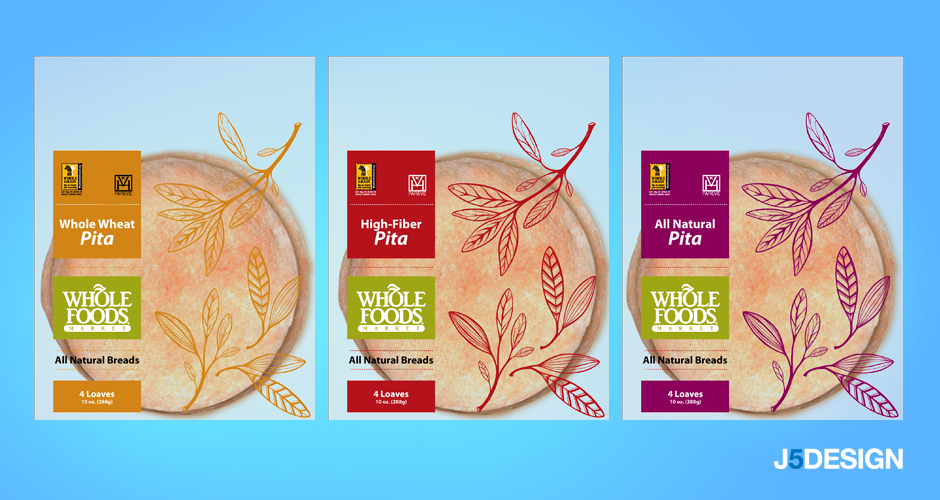
The Environmental Impact of Whole Foods’ Packaging
In recent years, there has been a growing concern about the environmental impact of packaging waste. As consumers become more conscious of their choices and strive to live sustainably, it is crucial for companies to address these concerns and take responsibility for their packaging practices. One company that has taken significant steps in this direction is Whole Foods.
Whole Foods, a popular supermarket chain known for its emphasis on natural and organic products, has made commendable efforts to reduce its environmental footprint through various initiatives. One such initiative focuses on minimizing packaging waste. The company recognizes that excessive packaging not only contributes to landfill waste but also consumes valuable resources during production.
To combat this issue, Whole Foods has implemented several strategies aimed at reducing packaging waste throughout its stores. They have prioritized the use of recyclable materials while striving to eliminate unnecessary plastic bags and containers. In addition, they encourage customers to bring their own reusable bags by offering incentives like discounts or donations to local charities.
Furthermore, Whole Foods has made significant progress in promoting compostable packaging options for certain products. Compostable materials break down into organic matter under specific conditions and help divert waste from landfills while enriching the soil with nutrients. This approach supports a circular economy where resources are used efficiently without causing harm to the environment.
While these initiatives are admirable, it is important to note that there is still room for improvement. Some critics argue that even though Whole Foods uses recyclable or compostable materials, a substantial amount of energy is required during the manufacturing process which can contribute to carbon emissions. Additionally, transportation emissions associated with shipping products across long distances should be considered when evaluating the overall environmental impact.
Whole Foods acknowledges these concerns and continues working towards finding more sustainable solutions for its packaging practices. They actively collaborate with suppliers and manufacturers who share their commitment to sustainability by exploring innovative alternatives such as biodegradable plastics derived from plant-based sources or utilizing recycled materials whenever possible.
In terms of organic vs. conventional produce, Whole Foods has been a leading advocate for organic agriculture and offers an extensive range of organic produce. Organic farming practices prioritize soil health, biodiversity, and the exclusion of synthetic pesticides and genetically modified organisms (GMOs). Choosing organic options can have positive environmental impacts by supporting sustainable farming methods that minimize chemical inputs and protect ecosystems.
However, the debate between organic and conventional farming is complex. Critics argue that conventional farming, when done responsibly with proper management techniques, can also be environmentally sustainable. They contend that increasing yields through conventional farming helps meet global food demands more efficiently while minimizing land use. Additionally, they highlight technological advancements in precision agriculture that reduce pesticide usage and improve resource efficiency.
Ultimately, the choice between organic and conventional produce comes down to personal preferences based on individual values related to health concerns or environmental considerations. Whole Foods provides consumers with both options so they can make informed choices based on their own needs.
In addition to its commitment to sustainable packaging and offering a wide array of fresh produce, Whole Foods is also known for introducing customers to lesser-known superfoods with exceptional nutritional profiles. These superfoods often come from diverse cultural backgrounds where they have long been celebrated for their health benefits but may not be as widely recognized elsewhere.
One such example is moringa oleifera, a tree native to India known as the “miracle tree.” Moringa leaves are rich in vitamins A, C, E, calcium, iron, potassium, antioxidants like quercetin and kaempferol among others. It has gained popularity due to its potential anti-inflammatory properties along with its ability to boost energy levels naturally.
Another lesser-known superfood gaining attention is camu camu—a small fruit found in the Amazon rainforest—known for its incredibly high vitamin C content even surpassing oranges’ concentration per serving size. This antioxidant-rich fruit has been associated with immune support as well as improving skin health.
Whole Foods has a dedicated section for showcasing these unique and nutritious superfoods, allowing customers to explore new flavors and incorporate them into their diets. By embracing lesser-known superfoods, Whole Foods encourages diversity in the food system while promoting sustainable sourcing practices that support small-scale farmers around the world.
Fermented foods have also gained popularity in recent years due to their potential health benefits. These foods undergo a natural fermentation process where beneficial bacteria break down sugars and transform them into organic acids or alcohol. This fermentation process not only enhances the flavor but also increases nutrient availability and supports gut health.
Whole Foods recognizes the value of fermented foods and offers a wide variety of options ranging from sauerkraut to kimchi to kombucha. Fermented vegetables like sauerkraut are rich in probiotics, which can improve digestion and enhance immune function. Kombucha, on the other hand, is a fermented tea known for its detoxifying properties and ability to support gut health.
By making these products readily available, Whole Foods empowers consumers to make healthier choices by incorporating fermented foods into their diets. Additionally, they support local producers who specialize in traditional fermentation techniques while ensuring high-quality standards are met.
Continued…

Leave a Reply