Micronutrients for Immune Health: Boosting Your Body’s Defense System
Maintaining a strong and healthy immune system is crucial, especially in challenging times like these. While proper hygiene practices and regular exercise play significant roles in supporting your body’s defense system, the right nutrition is also essential. Micronutrients are vital for overall health, including bolstering your immune response. In this post, we will explore some key micronutrients that can help boost your immune health.
1. Vitamin C
Vitamin C is well-known for its immune-boosting properties. It supports the production of white blood cells, which are crucial for fighting off infections and viruses. Additionally, vitamin C acts as an antioxidant, protecting cells from damage caused by harmful free radicals. Citrus fruits like oranges and grapefruits are excellent sources of vitamin C.
2. Vitamin D
Vitamin D plays a critical role in modulating the innate and adaptive immune responses. It helps regulate the production of antimicrobial proteins that fight against invading pathogens. Our bodies naturally produce vitamin D when exposed to sunlight; however, it can also be obtained through foods such as fatty fish (salmon, mackerel), fortified dairy products, or supplements if necessary.
3. Zinc
Zinc is an essential mineral involved in various aspects of cellular metabolism and has been shown to have antiviral properties that help combat respiratory infections effectively. It aids in the development of white blood cells while regulating inflammation within the body. Good dietary sources include meat (beef, pork), shellfish (oysters), legumes (chickpeas), seeds (pumpkin seeds), and nuts (cashews).
4. Iron
Iron plays a crucial role in strengthening our immune systems by supporting red blood cell production and enhancing oxygen transport throughout our bodies – thus ensuring optimal functioning of our immune cells during an infection or illness episode. Excellent sources of iron include lean meats (chicken, turkey), seafood (clams, shrimp), legumes (lentils, kidney beans), and dark leafy greens (spinach, kale).
5. Vitamin A
Vitamin A is essential for maintaining the integrity of our skin and mucosal barriers – our body’s first line of defense against invading pathogens. It also supports the production and function of white blood cells. Foods rich in vitamin A include carrots, sweet potatoes, spinach, broccoli, bell peppers, and liver.
6. Selenium
Selenium is a trace mineral that acts as an antioxidant to protect cells from damage caused by free radicals. It also plays a crucial role in regulating inflammation within the body and supporting immune cell activity. Brazil nuts are one of the best natural sources of selenium; just two nuts can provide your daily requirement.
7. Vitamin E
Vitamin E is another potent antioxidant that helps neutralize harmful free radicals within our bodies while supporting immune function at the cellular level. Good dietary sources include almonds, sunflower seeds, spinach, broccoli, avocados, and vegetable oils.
8. B vitamins
B vitamins are important for maintaining overall health and well-being as they play various roles in energy production and cellular metabolism throughout the body. Vitamins B6, B9 (folate), and B12 are particularly known to support immune health by aiding red blood cell formation and enhancing antibody production. Whole grains (oats), legumes (beans), leafy greens (spinach), poultry (chicken breast), eggs, dairy products like milk or yogurt are great sources of these vital nutrients.
It’s important to note that while getting these micronutrients through whole foods is preferable for optimal absorption and utilization by our bodies; however supplements may be necessary if you have specific deficiencies or medical conditions preventing adequate nutrient intake.
In conclusion,
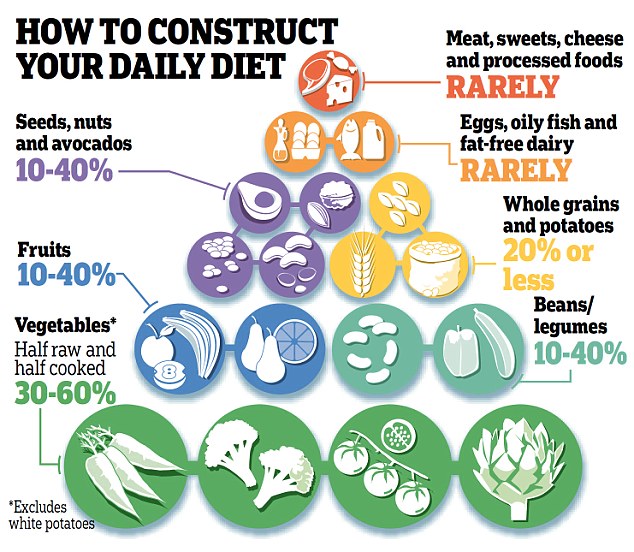
A well-balanced diet rich in these essential micronutrients can significantly enhance your immune health. Incorporate a variety of fruits, vegetables, lean proteins, and whole grains into your meals to ensure you’re getting the necessary vitamins and minerals. Remember to consult with a healthcare professional or registered dietitian for personalized advice based on your specific needs. By taking care of our bodies through proper nutrition, we can strengthen our immune systems and better protect ourselves against illnesses and infections. Stay healthy!

Leave a Reply