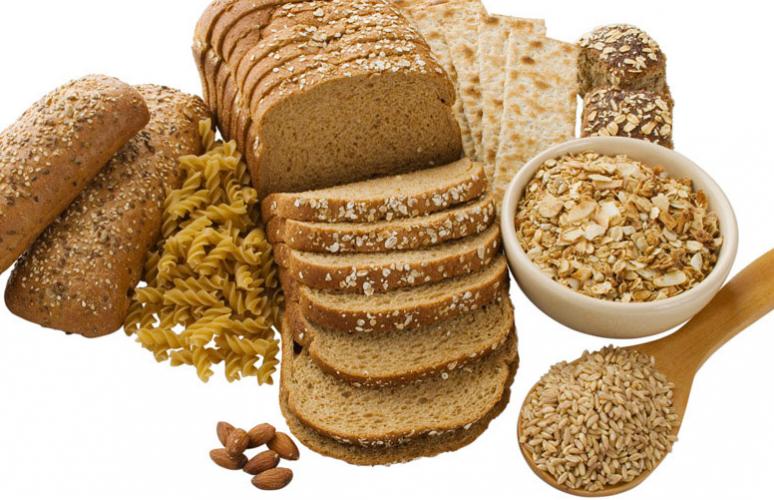
Whole Grains and Fiber: The Key to a Healthy Diet
In the quest for a healthier lifestyle, many people turn to fad diets or quick-fix solutions that promise instant results. However, when it comes to long-term health and well-being, there is no magic bullet. Instead, the key lies in adopting a balanced and sustainable approach to eating, with whole grains and fiber playing a crucial role.
Whole grains are an essential part of a healthy diet because they provide important nutrients like vitamins, minerals, antioxidants, and dietary fiber. Unlike refined grains found in processed foods like white bread or sugary cereals, whole grains retain all parts of the grain kernel – the bran, germ, and endosperm. This means they contain more nutrients and fiber.
Fiber is an indigestible carbohydrate found exclusively in plant-based foods. It plays several vital roles in maintaining good health. Firstly, it promotes regular bowel movements by adding bulk to stool and preventing constipation. Secondly, it helps control blood sugar levels by slowing down the absorption of glucose into the bloodstream after meals. Finally, it aids in weight management by increasing satiety and reducing overall calorie intake.
One of the primary benefits of consuming whole grains is their high fiber content compared to refined grains. Dietary guidelines recommend adults consume 25-38 grams of fiber per day depending on age and gender; however, most individuals fall short of meeting these recommendations.
The two types of dietary fiber found in whole grains are soluble fiber and insoluble fiber. Soluble fibers dissolve in water forming a gel-like substance that can help lower cholesterol levels as well as regulate blood sugar levels by slowing down digestion. Insoluble fibers do not dissolve but add bulk to stools promoting regular bowel movements while preventing constipation.
When you eat whole grain products such as brown rice or oatmeal instead of refined grain products like white bread or pasta made from enriched flour (where many essential nutrients have been removed), you increase your intake of both types of fiber.
In addition to fiber, whole grains are rich in a wide range of vitamins and minerals. These include B vitamins such as thiamin, riboflavin, niacin, and folate, which help convert food into energy and support brain function. Whole grains also provide essential minerals like iron, magnesium, zinc, copper, and selenium that play critical roles in maintaining overall health.
Furthermore, whole grains contain antioxidants that help protect the body against oxidative stress caused by free radicals. Free radicals are unstable molecules produced during normal metabolic processes but can be harmful when their levels become excessive. Antioxidants neutralize these free radicals and reduce the risk of chronic diseases including heart disease, cancer, and diabetes.
The benefits associated with consuming whole grains extend beyond individual health to global sustainability as well. By choosing whole grain products over refined ones made from heavily processed flours or white rice varieties that require extensive milling techniques to remove the bran and germ layers (which results in loss of nutrients), we contribute to reducing food waste while supporting sustainable agricultural practices.
So how can you incorporate more whole grains into your diet? Start by swapping refined grain products for their whole grain counterparts whenever possible. Choose brown rice instead of white rice or opt for quinoa instead of couscous. Switch from regular pasta to whole wheat pasta or try out alternatives like buckwheat noodles or chickpea-based pasta for added variety.
When it comes to breakfast cereals or bread options, look for labels that specifically mention “whole grain” as one of the first ingredients on the list rather than just “multigrain” or “enriched flour.” Be cautious about misleading claims on packaging; some products may appear healthier than they actually are due to clever marketing tactics.
Another great way to increase your intake of whole grains is by incorporating them into homemade dishes such as soups, stews, salads, or even desserts. Add cooked barley to vegetable soups for extra texture and fiber, or mix quinoa with roasted vegetables for a nutritious salad. Experiment with whole grain flours like buckwheat, spelt, or oat flour in baking recipes to make healthier versions of your favorite treats.
If you are new to incorporating whole grains into your diet, start by gradually introducing them and drinking plenty of water to aid digestion. Sudden increases in fiber intake can cause bloating and discomfort for some individuals, but these symptoms usually subside as the body adjusts.
In conclusion, including more whole grains and fiber in your diet is a simple yet effective way to improve overall health and well-being. By making smart choices at the grocery store and experimenting with new recipes at home, you can take important steps towards achieving a balanced and sustainable approach to healthy eating. So go ahead – embrace the goodness of whole grains today!

Leave a Reply