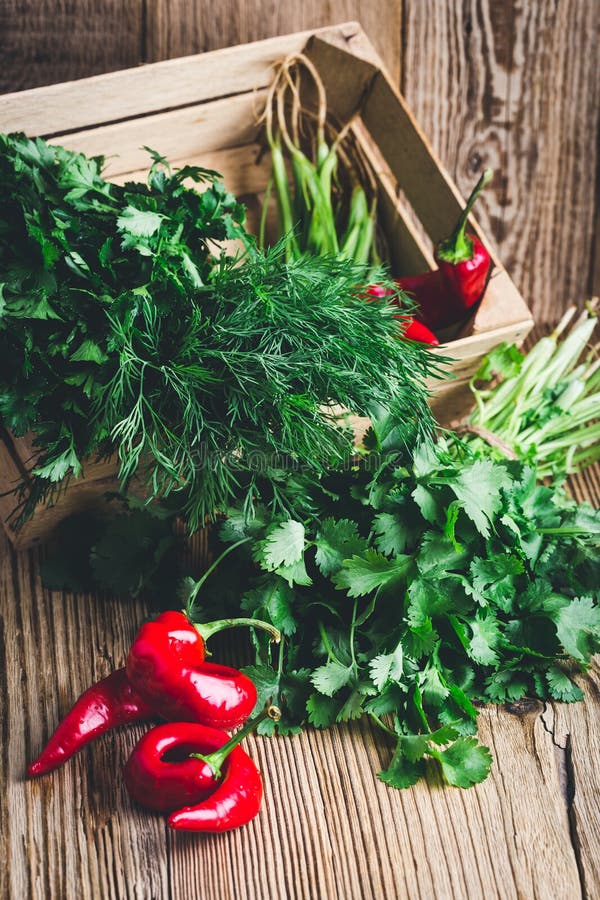
Homegrown Herbs and Spices: Enhancing Flavor and Health
When it comes to cooking, herbs and spices are the secret ingredients that can transform a dish from ordinary to extraordinary. Adding depth, aroma, and flavor, these culinary powerhouses not only tantalize our taste buds but also offer a range of health benefits. While store-bought options are readily available, growing your own herbs and spices at home adds an extra element of freshness, convenience, and satisfaction.
One of the greatest advantages of growing your own herbs is having access to a wide variety that may not be easily found in stores. From basil, cilantro, parsley to rosemary, thyme, and oregano – there is an endless array of flavors waiting to be discovered. By cultivating these plants in your garden or even on a windowsill herb garden indoors, you can experiment with new tastes while elevating your dishes.
Furthermore, homegrown herbs have higher nutritional value compared to their store-bought counterparts as they are picked at peak ripeness. They retain more vitamins such as A and C along with essential minerals like calcium and iron. Incorporating fresh herbs into your meals not only enhances the taste but also boosts nutrition without adding excess calories or fat.
Growing your own spices also offers numerous benefits beyond convenience. Take chili peppers for instance – whether you prefer mild jalapenos or fiery habaneros; being able to handpick ripe peppers empowers you to control the level of heat in your dishes according to personal preference. Besides adding zestiness to meals, chili peppers contain capsaicin which has been associated with various health benefits including pain relief and boosting metabolism.
Another popular spice that can easily be grown at home is turmeric. Known for its vibrant golden color and earthy flavor profile often used in curries or beverages like golden milk latte – turmeric possesses powerful anti-inflammatory properties due to its active compound called curcumin. By having a fresh supply of turmeric at your fingertips, you can incorporate this potent spice into your diet and potentially reap its health benefits.
Growing herbs and spices at home is not only rewarding but also sustainable. With increased awareness about reducing carbon footprints, cultivating your own plants eliminates the need for plastic packaging that often accompanies store-bought options. Additionally, homegrown herbs and spices require minimal space, making it a feasible option even for those living in apartments or small houses.
In conclusion, growing your own herbs and spices allows you to explore a world of flavors while reaping numerous health benefits. From enhancing the taste of dishes to providing essential vitamins and minerals, these culinary gems offer an exciting addition to any healthy eating regime. Whether you have a sprawling garden or limited indoor space, there are endless possibilities awaiting those who embark on the journey of homegrown herbs and spices – an adventure well worth pursuing.

Leave a Reply