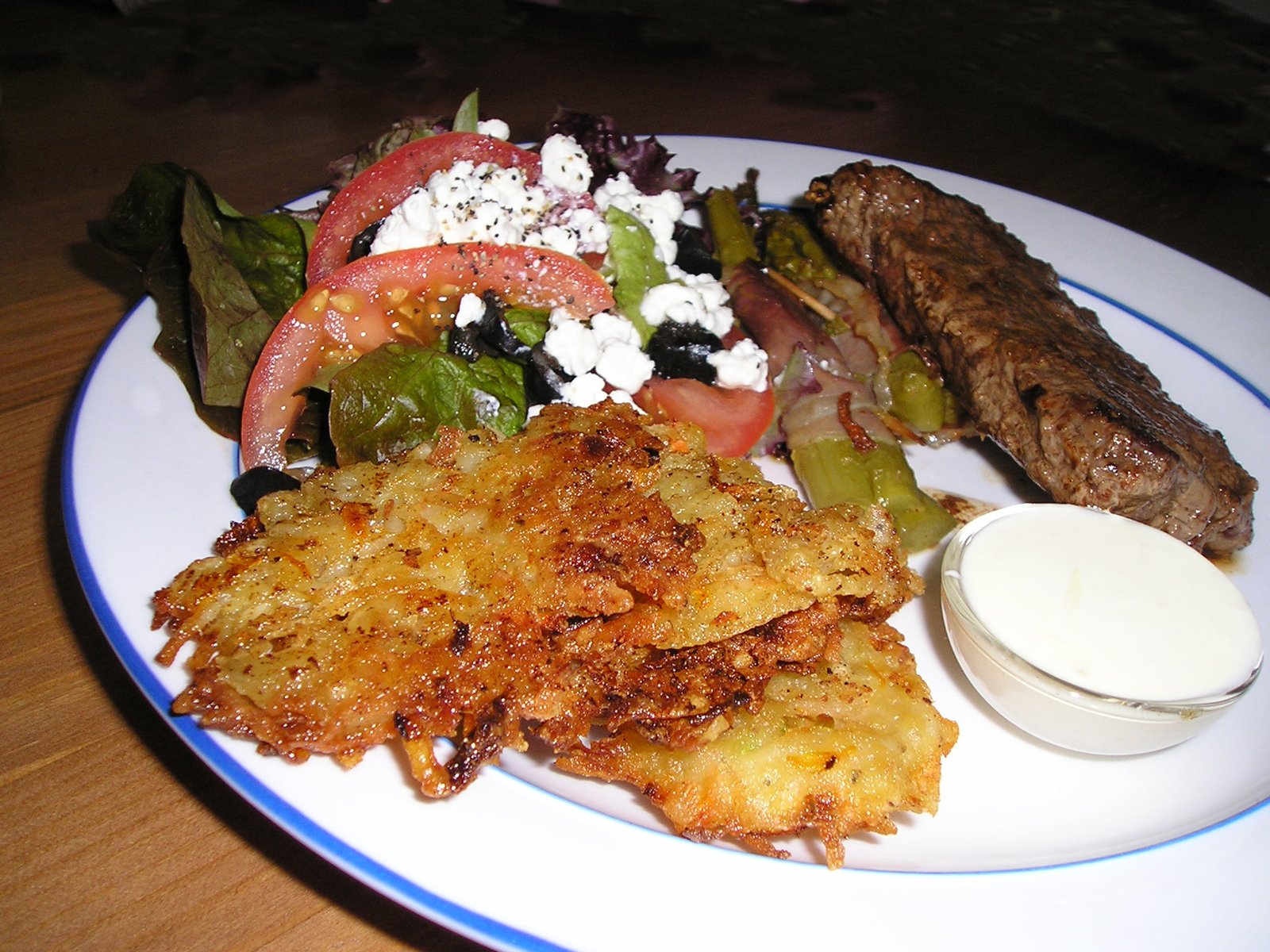
Panel Discussion: Saving Money by Reducing Dining Out Frequency
Moderator:
Welcome to today’s panel discussion on saving money by reducing dining out frequency. We have gathered a group of experts who will share their insights and tips on how you can cut down on your expenses while still enjoying delicious and healthy meals at home. Let’s introduce our panelists:
1. Nutritionist – Emma
2. Personal Finance Expert – Mark
3. Home Cook Extraordinaire – Sarah
4. Food Blogger – Lisa
Moderator:
To start off, let’s discuss the financial impact of frequent dining out. Mark, could you enlighten us on this?
Mark:
Certainly! Dining out frequently can quickly drain your wallet without you even realizing it. When we compare the cost of eating at restaurants to cooking at home, there is a significant price difference. The average restaurant meal costs around $20-$30 per person, whereas preparing a similar meal at home would cost significantly less.
Moderator:
Thank you, Mark! Emma, as a nutritionist, what are some health implications associated with excessive dining out?
Emma:
When we dine out regularly, we often consume more calories than necessary due to larger portion sizes and added fats or sugars in restaurant dishes. Additionally, we have less control over the quality of ingredients used in restaurant cooking compared to when we cook our own meals at home. By reducing our dining-out frequency and cooking nutritious meals ourselves, we can better manage our calorie intake and make healthier choices.
Moderator:
Great points, Emma! Now let’s turn to Sarah for some practical tips on how to cook more frequently at home.
Sarah:
One way to encourage cooking at home is by planning your meals in advance. Create a weekly meal plan and make a shopping list accordingly; this will help you avoid impulse purchases and reduce food waste.
Another tip is batch cooking – prepare larger portions so that leftovers can be enjoyed as quick and easy meals for the following days. You can also try meal prep on weekends by cooking several meals in advance, which saves time during busy weekdays.
Moderator:
Excellent suggestions, Sarah! Lisa, as a food blogger who promotes home cooking, what are some ways to make cooking at home more enjoyable?
Lisa:
To make cooking at home a fun and exciting experience, experiment with new recipes and cuisines. There are countless online resources such as food blogs or recipe websites where you can find inspiration. Engaging in this creative process will not only save money but also allow you to discover new flavors and expand your culinary skills.
Additionally, involving family members or friends in the cooking process can turn it into a social event. Organize potluck dinners or themed nights where everyone contributes a dish – it’s a great way to bond while enjoying homemade meals together.
Moderator:
Wonderful suggestions, Lisa! Now let’s discuss some additional benefits of reducing dining out frequency. Mark, could you touch upon the long-term financial advantages?
Mark:
Certainly! By cutting back on dining out expenses, you can allocate those saved funds toward other financial goals such as paying off debt or building an emergency fund. Over time, these small savings add up significantly and contribute towards overall financial stability.
Moderator:
Thank you for highlighting that point, Mark! Emma, from a health perspective, what are the long-term benefits of eating homemade meals?
Emma:
When we cook our own meals using fresh ingredients and mindful portion sizes, we have better control over our nutrition intake. This positively impacts our weight management efforts and reduces the risk of chronic diseases associated with unhealthy eating habits.
Furthermore, preparing meals at home allows us to develop healthier relationships with food by fostering an understanding of ingredients used in various dishes. It encourages us to prioritize whole foods over processed alternatives often found in restaurant menus.
Moderator:
That’s essential information for our audience! Lastly, Sarah, could you provide our readers with some final tips for successfully reducing dining out frequency?
Sarah:
Of course! Firstly, start small and set realistic goals. Gradually decrease the number of times you eat out each week until it becomes a habit.
Secondly, keep your pantry stocked with essential ingredients like grains, legumes, and spices that can be used to create wholesome meals in a pinch.
Lastly, embrace the joy of cooking by experimenting with flavors and trying new recipes regularly. This will keep you motivated and prevent boredom from setting in.
Moderator:
Thank you all for your valuable insights! Today’s panel discussion has shed light on how reducing dining out frequency can save money while promoting health and wellbeing. By incorporating these tips into their lives, our readers can enjoy delicious homemade meals while also improving their financial situation.

Leave a Reply