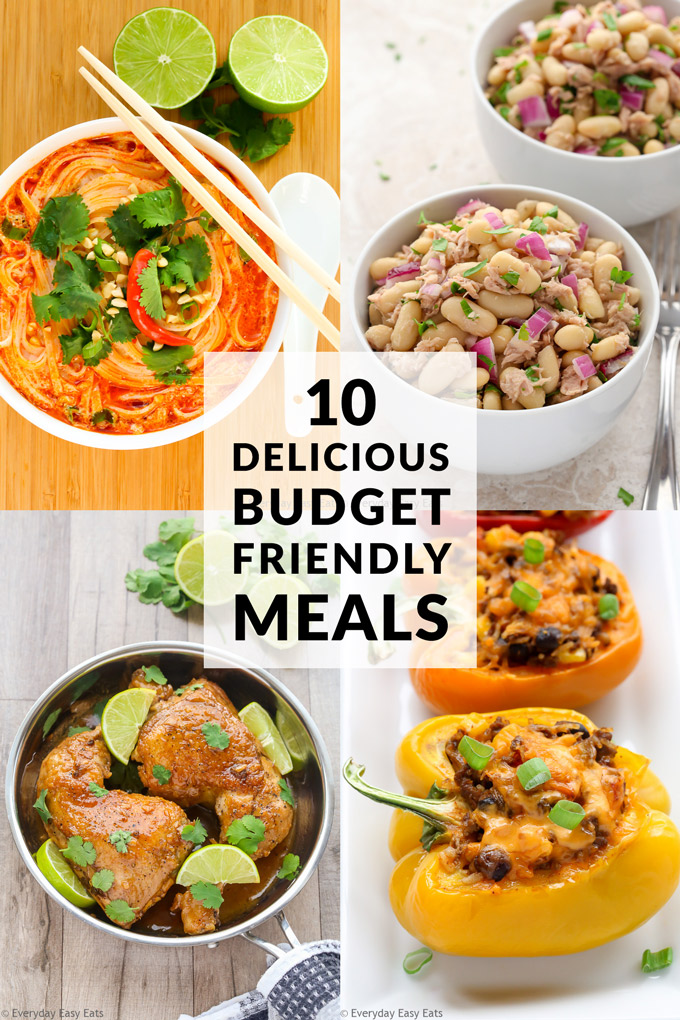
Budget-friendly Meal Ideas: Eating Healthy on a Shoestring Budget
Introduction:
Eating healthy doesn’t have to break the bank. With some creativity and planning, it’s possible to enjoy nutritious meals without spending a fortune. In this article, we will explore various budget-friendly meal ideas that are not only easy on the wallet but also delicious and satisfying.
1. Embrace Plant-based Proteins:
One of the most cost-effective ways to eat healthily is by incorporating more plant-based proteins into your diet. Beans, lentils, chickpeas, and tofu are all affordable sources of protein that can be used in a variety of dishes. For example, you can make a hearty chili using canned beans or create flavorful stir-fries with marinated tofu.
2. Make Friends with Frozen Fruits and Vegetables:
Fresh produce can be expensive, especially when certain items are out of season. Luckily, frozen fruits and vegetables offer an affordable alternative while still providing essential nutrients. They are often picked at peak ripeness and flash-frozen to retain their nutritional value. Adding frozen berries to smoothies or using mixed vegetables in soups and stews is an excellent way to incorporate these budget-friendly options into your meals.
3. Plan Your Meals Ahead:
Meal planning is crucial when trying to eat healthily on a budget. By creating a weekly menu based on ingredients you already have or what’s on sale at the grocery store, you can minimize waste and save money in the process. Planning ahead allows you to shop strategically for specific items needed for your chosen recipes rather than buying whatever catches your eye.
4. Bulk Buying Saves Money:
Buying food items in bulk is another smart way to cut costs while maintaining a healthy diet. Staples such as rice, pasta, oats, nuts/seeds, and spices can often be purchased at lower prices when bought in larger quantities from bulk bins or wholesale stores like Costco or Sam’s Club (if available in your area). Just make sure to store them properly to maintain freshness.
5. Utilize Leftovers:
Don’t let leftovers go to waste! Repurpose yesterday’s dinner into a new and exciting meal. For example, roasted vegetables can be turned into a flavorful frittata or added to a grain bowl for lunch the next day. Get creative with your leftovers, and you’ll not only save money but also reduce food waste.
6. DIY Cooking:
Preparing meals from scratch is generally more cost-effective than buying pre-packaged or processed foods. By cooking at home, you have full control over the ingredients used, which means fewer additives and preservatives in your meals. Simple recipes like homemade soups, stews, salads, and sandwiches are easy to make and often cheaper when made from scratch.
7. Shop Locally and Seasonally:
Supporting local farmers’ markets or joining community-supported agriculture (CSA) programs can be an excellent way to access fresh produce at reasonable prices while supporting local businesses. Additionally, buying fruits and vegetables that are in season not only ensures better flavor but also tends to be cheaper since they don’t require as much transportation or storage costs.
8. Get Creative with Cheap Cuts of Meat:
If you’re not following a vegetarian or vegan diet, opting for cheaper cuts of meat is another way to save money without compromising on taste or nutrition. Tougher cuts like chuck roast or chicken thighs can become tender and delicious when cooked slowly in stews or braised dishes.
9. Don’t Neglect Eggs:
Eggs are incredibly versatile and affordable sources of protein that can be enjoyed any time of the day – breakfast, lunch, dinner, or even as snacks! Make omelets loaded with veggies for breakfast; whip up egg salad sandwiches for lunch; prepare frittatas filled with leftover vegetables for dinner – the possibilities are endless!
10. Freezing Meals for Later:
When you come across a great sale or have leftovers from a big batch, consider freezing individual portions for later use. This way, you can build up a stock of ready-to-eat meals on those days when cooking seems like too much effort or when you need something quick and convenient.
Conclusion:
Eating healthy doesn’t mean breaking the bank. By incorporating these budget-friendly meal ideas into your routine, you can enjoy nutritious and satisfying meals while saving money. With some planning, creativity, and smart shopping strategies, eating well on a shoestring budget is within reach for everyone. So why not start today? Your wallet and your health will thank you!

Leave a Reply