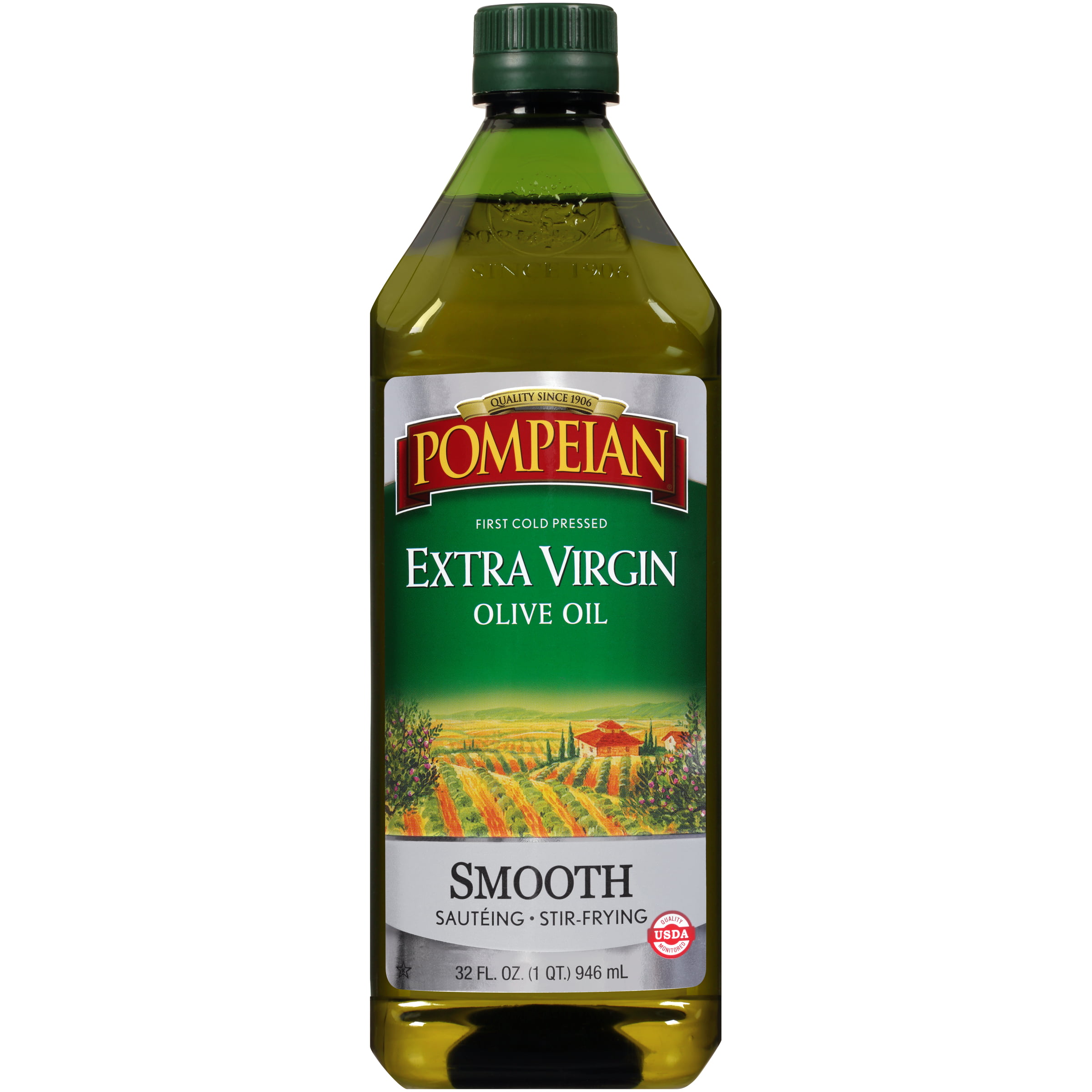
Olive Oil: A Versatile and Nutritious Addition to a Healthy Diet
In recent years, there has been a growing interest in healthy eating and the adoption of Mediterranean-style diets. Among the key components of this diet is olive oil, which has gained popularity for its numerous health benefits and culinary versatility. Whether you’re drizzling it over your salad or using it as a cooking medium, incorporating olive oil into your diet can be an excellent choice for both taste and nutrition.
What sets olive oil apart from other types of cooking oils is its rich composition of monounsaturated fats. These healthy fats have been shown to promote heart health by reducing bad cholesterol levels (LDL) while increasing good cholesterol levels (HDL). The high percentage of monounsaturated fats found in olive oil also contributes to its stability at higher temperatures, making it suitable for various cooking methods such as sautéing, roasting, or even frying.
One significant advantage of using olive oil in your everyday cooking is its ability to enhance the flavors of different dishes. The distinct aroma and taste add depth to salads, soups, stews, pasta dishes, grilled vegetables, fish preparations – the possibilities are endless! Moreover, unlike some other oils that tend to overpower delicate flavors with their own strong taste profiles, olive oil complements a wide range of ingredients without overshadowing them.
When choosing an olive oil variety for consumption or cooking purposes, it’s important to consider factors such as quality and extraction method. Extra virgin olive oil (EVOO) is considered the highest grade due to its minimal processing and maximum nutrient retention. It is extracted solely through mechanical means without using heat or chemicals. This gentle extraction process helps preserve not only the flavor but also essential antioxidants present in olives called polyphenols.
Polyphenols are powerful plant compounds known for their potent antioxidant properties. They help protect our cells from oxidative damage caused by unstable molecules called free radicals. Several studies have suggested that the polyphenols present in olive oil may help reduce inflammation, prevent certain types of cancer, and contribute to overall longevity.
In addition to being rich in monounsaturated fats and polyphenols, olive oil also contains other important nutrients. It is a good source of vitamin E, which acts as an antioxidant and supports healthy skin, hair, and nails. Olive oil also provides small amounts of vitamin K and several beneficial plant compounds such as oleocanthal – known for its anti-inflammatory properties.
While incorporating olive oil into your diet can offer numerous health benefits, it’s important not to forget about portion control. Like any other fat-containing food item, olive oil is calorie-dense with approximately 120 calories per tablespoon. Therefore, it’s crucial to use it in moderation as part of a balanced diet rather than excessively relying on it.
When storing olive oil at home, proper storage conditions are essential for maintaining its quality over time. Exposure to heat, light, and air can cause oxidation and degradation of the oil’s flavor profile. To maximize its shelf life and preserve freshness, store olive oil in a cool dark place away from direct sunlight or heat sources.
To conclude our spotlight on olive oil’s organizational style post for healthy eating enthusiasts let us summarize the key takeaways:
1. Olive oil is an excellent choice for both taste and nutrition due to its composition high in monounsaturated fats.
2. Incorporating extra virgin olive oil (EVOO) into your cooking offers maximum nutrient retention.
3. The polyphenols found in EVOO act as antioxidants that protect against oxidative damage.
4. Olive oil provides various other nutrients like vitamin E and beneficial plant compounds.
5. Moderation is crucial when consuming calorie-dense foods like olive oils.
6.Regularly check storage conditions to maintain the quality of your olive oils.
By making a conscious effort to include high-quality olive oil in your diet, you can elevate both the taste and nutritional value of your meals. So go ahead and enjoy the flavors and benefits that this versatile ingredient has to offer!

Leave a Reply