Cancer Prevention: Making Healthy Choices for a Brighter Future
Introduction:
Cancer is a complex and devastating disease that affects millions of people worldwide. While there are various factors that contribute to the development of cancer, research has shown that adopting a healthy lifestyle can significantly reduce the risk of developing this deadly illness. In this case study, we will explore the importance of cancer prevention through healthy eating habits, regular physical activity, and other lifestyle modifications.
The Role of Diet in Cancer Prevention:
Diet plays a crucial role in maintaining overall health and preventing numerous diseases, including cancer. Numerous studies have highlighted the association between certain dietary patterns and an increased or decreased risk of developing different types of cancers.
One key aspect is the consumption of fruits and vegetables. These nutrient-dense foods are rich in antioxidants, vitamins, minerals, and fiber which help protect against cellular damage caused by harmful free radicals. A diet high in colorful fruits and vegetables has been linked to a lower risk of cancers such as lung, breast, colorectal, stomach, esophageal, and pancreatic.
Whole grains are another essential component of a cancer-preventive diet. They are packed with fiber which aids digestion and helps maintain a healthy weight – excess body weight being one major risk factor for several types of cancers like breast, colon, endometrial (uterine), kidney,and pancreatic.
In contrast to these beneficial foods mentioned above,some food groups should be limited or avoided altogether due to their negative impact on cancer risk. Processed meats (such as bacon,h ot dogs,s alami)and red meat have been associated with an increased incidenceof colorectal,c stomach,and prostatecancers.I t’s recommendedto limitthe intakeo f thesefoods.S alt-preservedfoods,a lcohol,and sugarydrinksa re alsof actorsw hichh aveb eenl inkedt oan increasedr iskof specificc anc e rt ypes.
Physical Activity and Cancer Prevention:
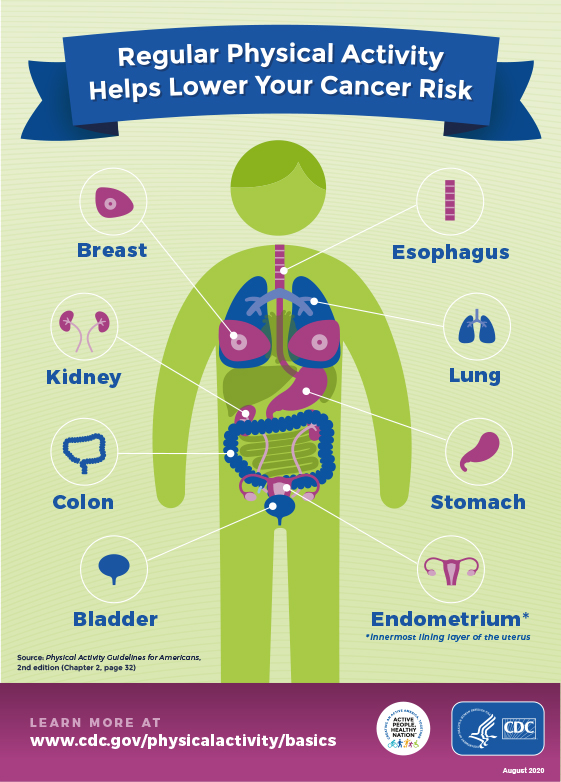
Leading a sedentary lifestyle has been linked to an increased risk of developing cancer. Engaging in regular physical activity offers numerous benefits, including weight management, improved immune function,and reduced inflammation.All of these factors contribute to lowering the risk of several cancers, such as breast,colon,endometrial,lung,and prostate.
Aim for at least 150 minutes of moderate-intensity aerobic exercise or 75 minutes of vigorous-intensity aerobic exercise each week. Additionally, strength training exercises should be incorporated into your routine at least twice a week.
Maintaining a Healthy Body Weight:
Obesity is an established risk factor for various types of cancers. It is believed that excess body fat promotes inflammation and hormonal imbalances which can lead to abnormal cell growth and the development of cancerous tumors.
To maintain a healthy weight, focus on consuming nutrient-dense foods while avoiding high-calorie, processed foods that are often low in nutritional value. Portion control is also important – pay attention to hunger cues and stop eating when you feel satisfied rather than overly full.
The Impact of Smoking and Alcohol Consumption:
Smoking tobacco products is one of the leading causes of preventable deaths worldwide. It increases the risk not only for lung cancer but also many other types like mouth, throat, esophageal,kidney,cervical,and bladder.B y quitting smoking,y ou drastically lower your chanceso f developingcancer,a s well as other serious health issues like heart diseaseand respiratory conditions.I t’s never too late to quit smoking – your body will begin healing immediately after you stop.
Excessive alcohol consumption has also been linked to an increased riskof certaincancers,s uchas mouth,t hroat,e sophageal,l iver,breast,a ndcolorectal.D rinkingm oderately (up to one drink per day for womenand up tot wod rinks p er d ayf orm en)is recommendedto minimize the risk of alcohol-related cancers.
Reducing Exposure to Environmental Toxins:
In addition to lifestyle choices, limiting exposure to environmental toxins is also crucial for cancer prevention. Certain chemicals and pollutants found in air, water, and household products have been linked to an increased risk of developing cancer. To reduce exposure, consider the following steps:
1. Use natural cleaning products that are free from harmful chemicals.
2. Filter drinking water to remove potential contaminants.
3. Limit your use of plastics and choose BPA-free alternatives.
4. Minimize exposure to pesticides by choosing organic produce whenever possible.
The Importance of Regular Screening:
While adopting a healthy lifestyle can significantly reduce the risk of developing cancer, regular screening is still essential for early detection and treatment if necessary.Regular check-ups with your healthcare provider can help identify any warning signs or abnormalities before they progress into advanced stages.
Conclusion:
Cancer prevention is within our reach through simple yet powerful lifestyle modifications. By adopting a diet rich in fruits, vegetables,and whole grains, engaging in regular physical activity,maintaining a healthy body weight,and avoiding tobacco products and excessive alcohol consumption,you can significantly reduce your riskof developingcancer.Additionally,reducingexposuret o environmental toxinsa nd participatingi n regular screenings will further enhance your chances ofs tayinghealthyand enjoyinga brighterc ancer-fre e future.It’s never too late to start making positive changes – take control of your health today!

Leave a Reply