Turmeric is a popular spice that has been used in cooking and traditional medicine for centuries. Its vibrant yellow color and distinct flavor make it a staple ingredient in many dishes, especially in Indian cuisine. However, turmeric is not just a flavorful addition to your meals; it also offers numerous health benefits, particularly for brain health.
One of the key compounds found in turmeric is called curcumin. Curcumin has powerful antioxidant and anti-inflammatory properties that can help protect the brain against damage caused by free radicals and inflammation. Chronic inflammation has been linked to various neurodegenerative diseases such as Alzheimer’s and Parkinson’s disease, making turmeric an excellent natural remedy for promoting brain health.
Studies have shown that curcumin can cross the blood-brain barrier, which allows it to directly affect brain cells. Once inside the brain, curcumin helps stimulate the production of antioxidants, which further enhance its protective effects on brain cells. By reducing oxidative stress and inflammation in the brain, turmeric may help improve memory and cognitive function.
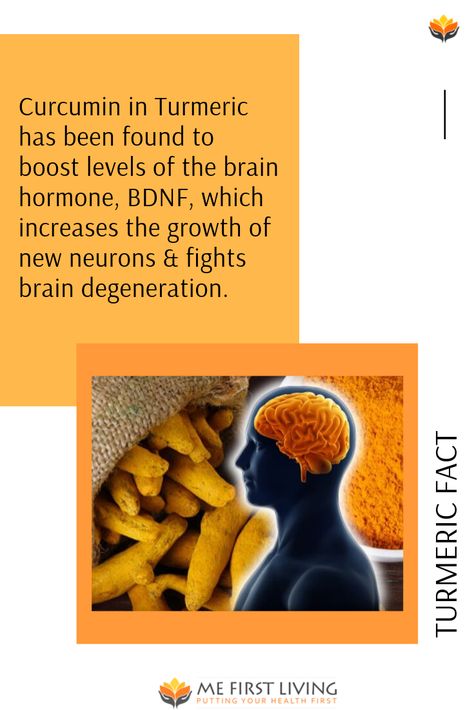
In addition to its anti-inflammatory properties, turmeric also supports healthy levels of a hormone called Brain-Derived Neurotrophic Factor (BDNF). BDNF plays a crucial role in promoting the growth of new neurons and forming connections between existing ones. Low levels of BDNF have been associated with depression and age-related cognitive decline. Turmeric helps increase BDNF levels naturally, potentially improving mood and overall cognitive function.
Furthermore, some research suggests that curcumin may help clear amyloid plaques from the brain – abnormal protein deposits commonly seen in Alzheimer’s disease patients. These plaques disrupt communication between neurons and contribute to memory loss and other cognitive impairments associated with this condition.
Including turmeric regularly in your diet is an easy way to reap these brain-boosting benefits. You can add ground turmeric to various dishes like soups, stews, stir-fries, and even smoothies. However, it’s important to note that the body’s ability to absorb curcumin is limited. Pairing turmeric with a source of fat like coconut oil or black pepper can enhance its absorption.
Alternatively, you can also consider taking turmeric supplements. Look for supplements that contain a high percentage of curcumin and are formulated to improve bioavailability. Consulting with a healthcare professional before starting any new supplement regimen is always recommended.
In conclusion, turmeric is not just a flavorful spice but also a powerful ally for brain health. Its active compound curcumin helps reduce inflammation, protect against oxidative stress, increase BDNF levels, and potentially clear amyloid plaques from the brain. By incorporating turmeric into your diet or taking supplements, you can support your brain health and promote cognitive function naturally.

Leave a Reply