Prebiotics and Gut-Brain Axis
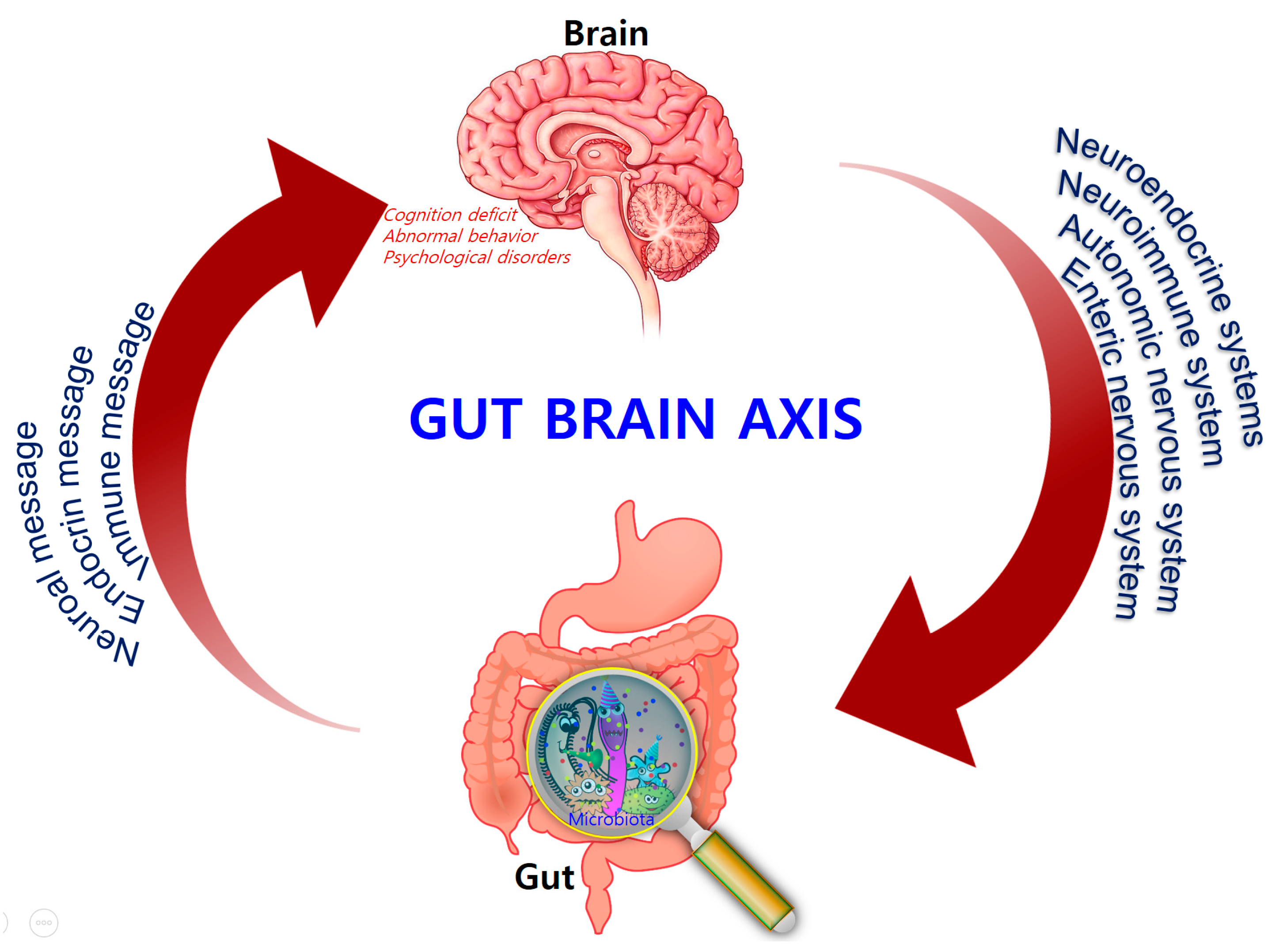
The gut-brain axis refers to the bidirectional communication between the gastrointestinal system and the central nervous system. It is a complex network that involves various biochemical signaling pathways, including neural, hormonal, and immune mechanisms. Recent research has shown that prebiotics play a crucial role in maintaining a healthy gut-brain axis.
Prebiotics are non-digestible fibers that serve as food for beneficial bacteria in the gut. These fibers can be found naturally in certain foods or can be taken as dietary supplements. They help stimulate the growth of beneficial bacteria such as bifidobacteria and lactobacilli, which are known to have positive effects on mental health.
Studies have demonstrated that an imbalance of gut microbiota, called dysbiosis, is associated with neurological disorders like anxiety and depression. Prebiotics promote the growth of these beneficial bacteria, which produce metabolites like short-chain fatty acids (SCFAs). SCFAs have been shown to reduce inflammation in the body and enhance brain function.
Additionally, prebiotic consumption has been linked to improved cognitive function and reduced stress levels. A study conducted on human subjects found that participants who consumed prebiotic-rich diets showed better performance on memory tasks compared to those who did not consume prebiotics.
Prebiotics and Immune System Health
A strong immune system is essential for overall health and well-being. Prebiotics play a significant role in supporting immune system function by promoting a diverse population of beneficial bacteria in the gut.
The gut microbiota plays a crucial role in regulating immune responses throughout the body. By nourishing these beneficial bacteria with prebiotic fibers, we can enhance their ability to modulate immune function effectively.
Research suggests that specific types of prebiotic fibers can increase levels of immunoglobulins (IgA) in the gut mucosa. IgA is an antibody that plays a critical role in defending against pathogens and preventing their attachment to the intestinal lining.
Furthermore, prebiotics have been shown to enhance the production of short-chain fatty acids, particularly butyrate. Butyrate has potent anti-inflammatory effects and helps maintain a healthy gut barrier function, reducing the risk of infections and inflammatory conditions.
Prebiotics and Weight Management
Maintaining a healthy weight is essential for overall health and reducing the risk of chronic diseases. Prebiotics can play a role in weight management by influencing satiety, regulating appetite hormones, and improving energy metabolism.
Certain prebiotic fibers have been found to increase feelings of fullness or satiety after meals. By promoting these feelings, prebiotics may help reduce overeating and contribute to weight loss or maintenance efforts.
Moreover, prebiotics can influence appetite-regulating hormones such as ghrelin and leptin. Ghrelin stimulates hunger signals, while leptin suppresses appetite. Studies have shown that consuming prebiotic fibers can lead to decreased levels of ghrelin and increased levels of leptin, resulting in reduced hunger sensations.
Additionally, some research suggests that certain types of prebiotic fibers can improve energy metabolism by increasing fat oxidation rates. This means that more stored fat is used as an energy source rather than being stored further.
While incorporating prebiotic-rich foods into a balanced diet is beneficial for weight management, it’s important to note that they should be part of an overall healthy lifestyle approach that includes regular physical activity and proper nutrition.
Prebiotics for Children’s Health
The early years are crucial for children’s growth and development. Introducing prebiotics into a child’s diet can have several benefits for their health outcomes.
One significant advantage is enhanced immune system development. The gut microbiota plays a vital role in educating the immune system during childhood. By providing the right nutrients through prebiotic consumption, parents can support their child’s immune system and reduce the likelihood of allergies, asthma, and other immune-related conditions.
Prebiotics also promote healthy digestion in children. They help regulate bowel movements, prevent constipation, and maintain a balanced gut microbiota. This can be particularly beneficial for infants transitioning from breastfeeding to solid foods.
In addition to physical health benefits, prebiotics may have positive effects on cognitive development in children. The gut-brain axis is active during early childhood, and by nourishing the gut microbiota with prebiotic fibers, parents can support optimal brain function and cognitive abilities.
It’s important to note that when introducing prebiotics into a child’s diet, it should be done gradually and under the guidance of a healthcare professional or pediatrician. This ensures that the child receives an appropriate amount of fiber based on their individual needs and tolerances.
Prebiotics and Mental Health
Mental health is a crucial aspect of overall well-being. Emerging evidence suggests that there is a strong connection between the gut microbiota and mental health conditions such as anxiety and depression. Prebiotics play a significant role in nurturing this connection.
The gut microbiota produces neurotransmitters such as serotonin, dopamine, and gamma-aminobutyric acid (GABA), which are essential for regulating mood. By promoting the growth of beneficial bacteria through prebiotic consumption, we can enhance the production of these neurotransmitters.
Research has shown that individuals who consume prebiotic-rich diets report lower levels of stress hormones like cortisol. Additionally, studies have found that supplementing with certain types of prebiotic fibers can lead to reduced symptoms of anxiety and depression.
Furthermore, inflammation in the body has been linked to mental health disorders. Prebiotics have anti-inflammatory effects due to their ability to produce short-chain fatty acids like butyrate. These anti-inflammatory properties contribute to improved mental well-being by reducing systemic inflammation levels.
While more research is needed in this field, incorporating prebiotic-rich foods into the diet is a promising strategy for supporting mental health. It’s important to note that prebiotics should not replace professional treatment for mental health conditions and individuals experiencing severe symptoms should consult with a healthcare provider.
Prebiotics and Skin Health
The skin is the largest organ in the body and serves as a protective barrier against external factors. Prebiotics can have positive effects on skin health by promoting a balanced gut microbiota, reducing inflammation, and enhancing immune function.
The gut microbiota plays an essential role in maintaining healthy skin. An imbalance in the gut microbiota can contribute to various skin conditions such as acne, eczema, and psoriasis. By consuming prebiotics, we support the growth of beneficial bacteria that contribute to a healthy balance in the gut microbiota.
Prebiotic fibers also promote immune system function, which is crucial for combating pathogens that may affect the skin. A strong immune system helps protect against infections and promotes wound healing.
In addition to these indirect effects on skin health through gut-brain axis modulation and immune support, prebiotics have been shown to have direct effects at the skin level. Research suggests that certain types of prebiotic fibers can enhance hydration levels in the skin, improve its barrier function, and reduce signs of aging.
While incorporating prebiotic-rich foods into the diet is beneficial for overall health including skin health, it’s important to note that individual results may vary depending on other lifestyle factors such as skincare routine and genetics. For specific concerns or persistent issues related to skin health, consulting with a dermatologist or healthcare provider is recommended.
Overall, prebiotics offer numerous potential benefits across various aspects of human health including gut-brain axis modulation, immune system support, weight management assistance,
children’s development promotion,
improved mental well-being,
enhanced
skin condition.
Considering their diverse advantages,
incorporating
preb

Leave a Reply