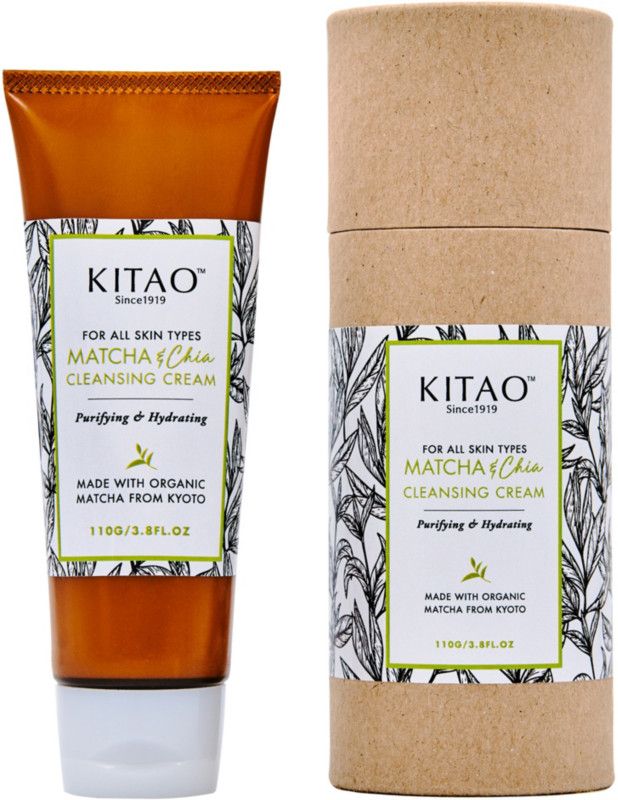
Matcha for Detoxification and Cleansing: A Green Elixir of Health
In a world filled with toxins and pollutants, maintaining a healthy lifestyle has become more important than ever. From environmental factors to processed foods, our bodies accumulate harmful substances that can hinder optimal functioning. This is where matcha, the vibrant green powdered tea, comes into play. Known for its numerous health benefits, matcha has gained popularity as a powerful detoxifying and cleansing agent.
Derived from the same plant as traditional green tea, Camellia sinensis, matcha undergoes a unique cultivation process before being finely ground into powder form. Unlike regular steeped teas where the leaves are discarded after brewing, consuming matcha means ingesting the entire leaf – maximizing its nutrient content.
One of the primary reasons matcha is revered for detoxification is due to its high concentration of antioxidants called catechins. Among these catechins is epigallocatechin gallate (EGCG), which possesses potent antioxidant properties. EGCG helps neutralize free radicals in the body, reducing oxidative stress and preventing cellular damage caused by toxins.
Furthermore, matcha contains chlorophyll – responsible for its vivid green color – which aids in detoxification by promoting liver function and supporting natural cleansing processes within our bodies. The chlorophyll present in matcha effectively binds with heavy metals such as mercury or lead found in water supply or certain foods and helps eliminate them from our system.
Detoxification isn’t just about eliminating toxins; it also involves nourishing our bodies with essential nutrients. Matcha provides an array of vitamins including vitamin C, vitamin A, vitamin E, and various B-complex vitamins like folate (B9) and niacin (B3). These vitamins work synergistically to support overall immune function while aiding in cellular repair.
The amino acid L-theanine found abundantly in matcha not only promotes relaxation but also assists with detoxification. L-theanine helps to calm the mind and reduce stress, which indirectly supports detoxification by preventing overproduction of cortisol – a stress hormone that can hinder toxin elimination.
Moreover, matcha is an excellent source of dietary fiber, which plays a crucial role in maintaining digestive health. Adequate fiber intake promotes regular bowel movements, aids in the removal of waste products from our bodies, and prevents constipation – a common issue during detoxification processes.
While matcha can be enjoyed simply as a hot or iced tea, it is also versatile enough to be incorporated into various recipes. From smoothies and lattes to desserts and even savory dishes like salad dressings or marinades, matcha adds a unique flavor profile while providing its detoxifying benefits.
When purchasing matcha for its detox properties, it’s important to opt for high-quality ceremonial grade or organic varieties. This ensures that you’re consuming pure powdered tea without any added fillers or contaminants. Additionally, sourcing your matcha from reputable brands guarantees that the leaves were grown under optimal conditions with minimal pesticide exposure.
To reap the full benefits of matcha’s cleansing effects, consider implementing it into your daily routine through mindful consumption. Whether you choose to savor a warm cup of matcha in the morning or experiment with delicious recipes throughout the day, consistency is key when aiming for long-term detoxification results.
In conclusion, incorporating matcha into your diet can provide numerous benefits beyond its rich taste and vibrant color. With its potent antioxidants and cleansing properties, this green elixir has become increasingly popular as an effective tool for detoxification and promoting overall health. So why not embrace this ancient Japanese tradition and let matcha empower you on your journey towards well-being?

Leave a Reply