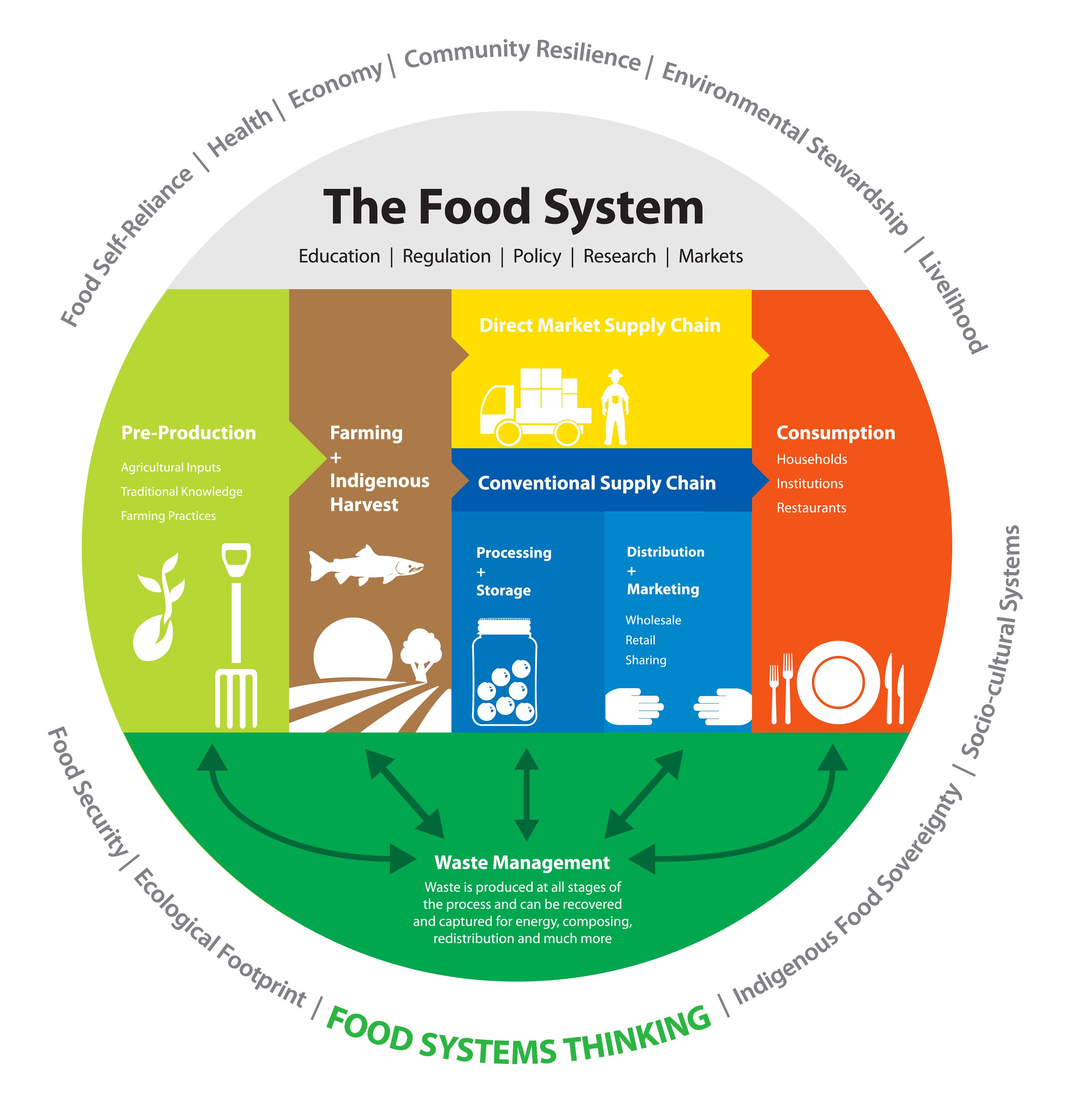
Regional Food Systems: Nurturing Health and Community
When it comes to healthy eating, we often focus on the nutritional content of our meals. While this is indeed important, we should also consider where our food comes from and how it is produced. This is where regional food systems come into play.
A regional food system refers to the production, distribution, and consumption of food within a specific geographic area. It emphasizes local farmers, producers, and consumers working together to create a sustainable and resilient food system. By supporting regional agriculture, we can reap numerous benefits for ourselves and our communities.
One of the key advantages of regional food systems is the freshness of the produce. Locally sourced fruits, vegetables, meats, and dairy products are often harvested at their peak ripeness or maturity. Unlike mass-produced foods that may travel long distances before reaching your plate, regional foods retain their flavor and nutritional value.
Furthermore, buying locally supports small-scale farmers who employ environmentally friendly practices. Many local farmers prioritize organic or sustainable farming methods that minimize pesticide use and soil degradation while promoting biodiversity. By choosing regionally grown foods over imported alternatives, you contribute to a healthier environment for everyone.
Another aspect worth highlighting is the economic impact generated by regional food systems. When you buy directly from local farmers or through farmers’ markets or community-supported agriculture (CSA) programs, more money stays within your community’s economy instead of being funneled out to corporate entities elsewhere. This not only helps support small businesses but also enhances job creation in rural areas.
Additionally, promoting regional food systems fosters a sense of connection between consumers and producers. When you purchase from local sources such as farm stands or attend community events like harvest festivals or farm-to-table dinners, you get an opportunity to meet those responsible for growing your food. This direct interaction builds trust while strengthening social bonds within your community.
Lastly but equally important are the cultural aspects associated with embracing regional cuisine. Each region has its culinary traditions, unique flavors, and traditional recipes passed down through generations. By supporting regional food systems, we preserve these cultural treasures and ensure their continuation for future generations.
In conclusion, regional food systems offer a multitude of benefits to both individuals and communities. From fresher produce to sustainable farming practices, economic support for local businesses to fostering social connections, the advantages are far-reaching. So next time you plan your meals or go grocery shopping, consider exploring the abundance of local and regional options available in your area. Not only will you be nourishing yourself but also contributing to a healthier and more vibrant community.

Leave a Reply