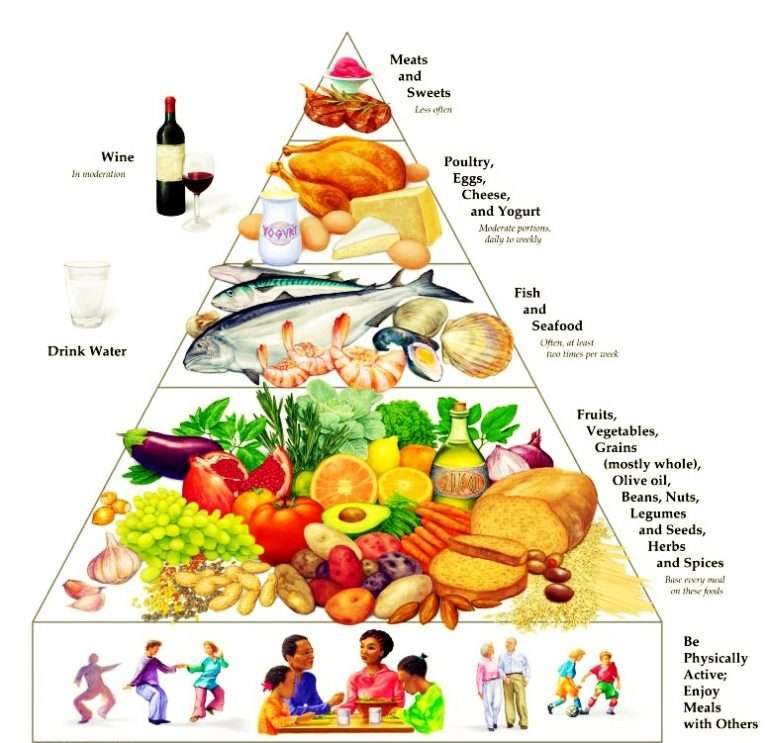
Portion Control for Mediterranean Diet: How to Maintain a Healthy Balance
The Mediterranean diet is well-known for its numerous health benefits, including reducing the risk of heart disease, promoting weight loss, and improving overall well-being. While the focus of this eating plan is on consuming fresh fruits and vegetables, whole grains, lean proteins, and healthy fats, portion control plays a crucial role in reaping these benefits. Here are some tips to help you maintain proper portion sizes while following the Mediterranean diet.
1. Understand Serving Sizes: Before diving into portion control, it’s important to have a clear understanding of what constitutes a serving size for different food groups within the Mediterranean diet. For instance, one serving of whole grains could be half a cup of cooked brown rice or quinoa.
2. Use Smaller Plates: Trick your mind into thinking you’re consuming more by using smaller plates and bowls when serving your meals. Research shows that people tend to eat less when using smaller dinnerware as it creates an optical illusion that there is more food on their plate.
3. Fill Half Your Plate with Vegetables: Boost your fiber intake while controlling portions by filling at least half of your plate with non-starchy vegetables such as leafy greens, broccoli, peppers, or zucchini. These low-calorie options will make you feel full without adding excess calories.
4. Measure Your Oils: Olive oil is an essential component of the Mediterranean diet but can quickly add up in calories if not used in moderation. Rather than pouring directly from the bottle, use measuring spoons or sprays to ensure you are sticking to appropriate amounts.
5. Mindful Protein Portions: While lean proteins like fish and poultry are encouraged on this diet plan due to their nutritional value and omega-3 fatty acids content, overdoing them can lead to excessive calorie intake. Aim for 3-4 ounces per meal – about the size of a deck of cards – to maintain portion control.
6. Don’t Forget About Legumes: Legumes such as chickpeas, lentils, and beans are excellent sources of plant-based protein and can be enjoyed in abundance on the Mediterranean diet. However, it’s crucial to keep your portions in check due to their higher carbohydrate content. Stick to around half a cup per serving.
7. Choose Filling Snacks: When snacking between meals, opt for nutrient-dense options that will keep you satisfied without overindulging. A handful of nuts, a small piece of fruit with Greek yogurt, or sliced vegetables with hummus are all great choices that promote portion control.
8. Slow Down and Savor: Eating mindfully is key when it comes to portion control. Take the time to chew your food thoroughly and savor each bite. This allows your body ample time to register fullness signals from the stomach before going back for seconds.
9. Be Mindful of Liquid Calories: While water should be your beverage of choice on the Mediterranean diet, it’s important not to overlook other liquids’ calorie content, such as juices or alcoholic beverages like wine or beer. Enjoy these in moderation and be mindful of their impact on overall caloric intake.
10. Plan Ahead: Prepare your meals ahead of time by practicing batch cooking and meal prepping techniques so you have pre-portioned meals readily available throughout the week. This eliminates guesswork and helps ensure you stick to appropriate serving sizes.
11. Listen To Your Body: Pay close attention to hunger cues and eat until you are comfortably satisfied rather than overly full or stuffed. Tune into how different foods make you feel after eating them – this will help guide portion sizes that work best for you personally.
12.Try Using Visual Cues: If measuring cups aren’t handy, visually estimate appropriate portions using common objects as references – a tennis ball for fruits or cooked grains, a poker chip for fats, or a deck of cards for proteins. These visual cues can be useful when dining out or on the go.
By incorporating these portion control strategies into your Mediterranean diet routine, you can enjoy all the health benefits it has to offer while maintaining a healthy weight and promoting overall well-being. Remember, moderation is key, and finding the right balance that works for you is essential in making this eating plan a sustainable lifestyle choice.

Leave a Reply