Introduction:
Welcome to our Healthy Eating website! In today’s post, we will be diving into the world of kefir cheese. Kefir cheese is a delicious and nutritious dairy product that has been enjoyed for centuries. Made from fermented milk, it offers numerous health benefits and is a popular choice among those seeking a healthy alternative to traditional cheeses. To learn more about this versatile ingredient, we spoke with an expert in the field, Dr. Emily Roberts, a nutritionist who specializes in dairy products.
Interviewer: Thank you for joining us today, Dr. Roberts. We’re excited to learn more about kefir cheese and its health benefits. Can you tell us what exactly kefir cheese is?
Dr. Roberts: Of course! Kefir cheese is made by fermenting cow’s or goat’s milk using kefir grains, which are composed of bacteria and yeast cultures. The fermentation process breaks down lactose (the naturally occurring sugar in milk) and converts it into lactic acid, giving kefir its tangy taste and creamy texture.
Interviewer: That sounds fascinating! How does the fermentation process affect the nutritional profile of kefir cheese?
Dr. Roberts: Fermentation enhances the nutritional value of milk by increasing levels of vitamins B12 and K2 while also producing enzymes that aid digestion. Additionally, kefir contains probiotics – beneficial bacteria that support gut health by promoting a balanced microbiome.
Interviewer: Speaking of probiotics, can you elaborate on their role in our overall well-being?
Dr. Roberts: Certainly! Probiotics play a crucial role in maintaining good digestive health as they help restore balance between beneficial and harmful bacteria within our gut flora. This balance supports optimal nutrient absorption while boosting immunity.
Interviewer: Fascinating! So how does kefir cheese compare to other types of cheeses when it comes to probiotic content?
Dr. Roberts: Unlike most traditional cheeses that undergo processes like pasteurization and aging, which kill off the beneficial bacteria, kefir cheese retains a significant amount of live probiotics. This makes it an excellent choice for those seeking to enhance their gut health.
Interviewer: That’s great news! Are there any other unique health benefits associated with consuming kefir cheese?
Dr. Roberts: Absolutely! Kefir cheese is rich in protein, calcium, and essential amino acids. These nutrients are vital for building strong bones, repairing tissues, and supporting muscle growth. Furthermore, studies have suggested that kefir consumption may improve lactose digestion in individuals with lactose intolerance.
Interviewer: That’s fantastic! Now let’s talk about the versatility of kefir cheese as an ingredient in our daily meals. How can we incorporate it into our diet?
Dr. Roberts: Kefir cheese can be enjoyed in various ways. You can spread it on toast or crackers as a healthy alternative to butter or cream cheese. It also works well as a topping for salads or baked potatoes, adding tanginess and creaminess without excessive calories.
Interviewer: Sounds delicious! Can we use kefir cheese in cooking? If so, what types of dishes would benefit from its addition?
Dr. Roberts: Definitely! Kefir cheese is perfect for both sweet and savory recipes. Incorporate it into your favorite smoothies or use it as a base for creamy salad dressings instead of mayonnaise or sour cream. It can also be used to make healthier versions of cheesecakes or added to pasta sauces for extra richness.
Interviewer: Those sound like amazing culinary possibilities! Now let’s address one concern that some people may have – does kefir cheese contain lactose?
Dr. Roberts: While the fermentation process reduces the lactose content significantly compared to regular milk, some residual lactose might still be present in kefir cheese but at much lower levels than traditional cheeses due to its probiotic nature. However, individuals with lactose intolerance may still need to exercise caution and consume it in moderation.
Interviewer: Thank you for clarifying that. Now, let’s discuss the availability of kefir cheese. Is it easy to find in stores or should people consider making their own?
Dr. Roberts: Kefir cheese is becoming increasingly popular, and many health food stores now stock it alongside other dairy products. However, if you prefer homemade options or have specific dietary requirements, making your own kefir cheese using kefir grains is a great option as well.
Interviewer: That’s good to know! Are there any tips you can provide for those who want to try making their own kefir cheese?
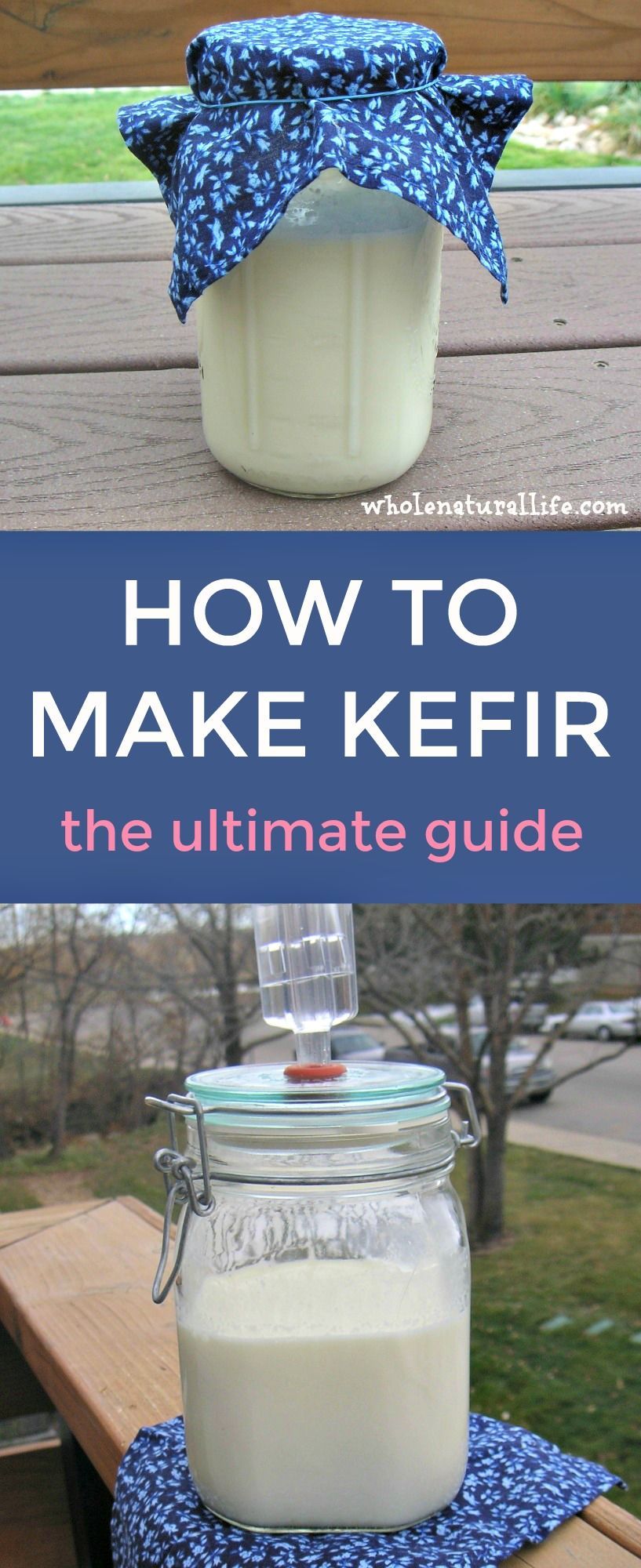
Dr. Roberts: Absolutely! To make your own kefir cheese at home, start by obtaining fresh kefir grains either online or from a reputable source. Then combine the grains with milk in a glass jar and allow them to ferment at room temperature for about 24-48 hours until the desired consistency is achieved. Once fermented, strain the mixture through a cheesecloth or fine mesh sieve to separate the whey from the curds – which are your kefir cheese!
Interviewer: Fantastic advice! Is there anything else our readers should know about incorporating kefir cheese into their daily routine?
Dr. Roberts: I would recommend starting slowly when introducing any new food into your diet, especially if you’re not accustomed to consuming fermented foods like kefir cheese regularly. Begin with small portions and gradually increase as tolerated while observing how your body responds.
Interviewer: Excellent advice! Lastly, do you have any favorite recipes featuring kefir cheese that you could share?
Dr. Roberts: Absolutely! One of my favorite simple recipes is a creamy garlic herb dip made by blending kefir cheese with fresh herbs like dill, parsley, garlic cloves, lemon juice, salt, and pepper until smooth – perfect for dipping veggies or pita chips!
Interviewer: That sounds absolutely delicious! Thank you so much for sharing your expertise on kefir cheese with us, Dr. Roberts. We’ve learned a lot today.
Dr. Roberts: You’re welcome! It was my pleasure to be here and help spread the word about this fantastic dairy product.
Conclusion:
There you have it – a comprehensive interview exploring the wonders of kefir cheese! From its probiotic content to its versatility in cooking, we hope this article has inspired you to incorporate kefir cheese into your healthy eating routine. Whether enjoyed as a spread, added to recipes, or made at home using fresh kefir grains, kefir cheese offers numerous health benefits while delighting your taste buds. So go ahead and give it a try – your gut will thank you!

Leave a Reply