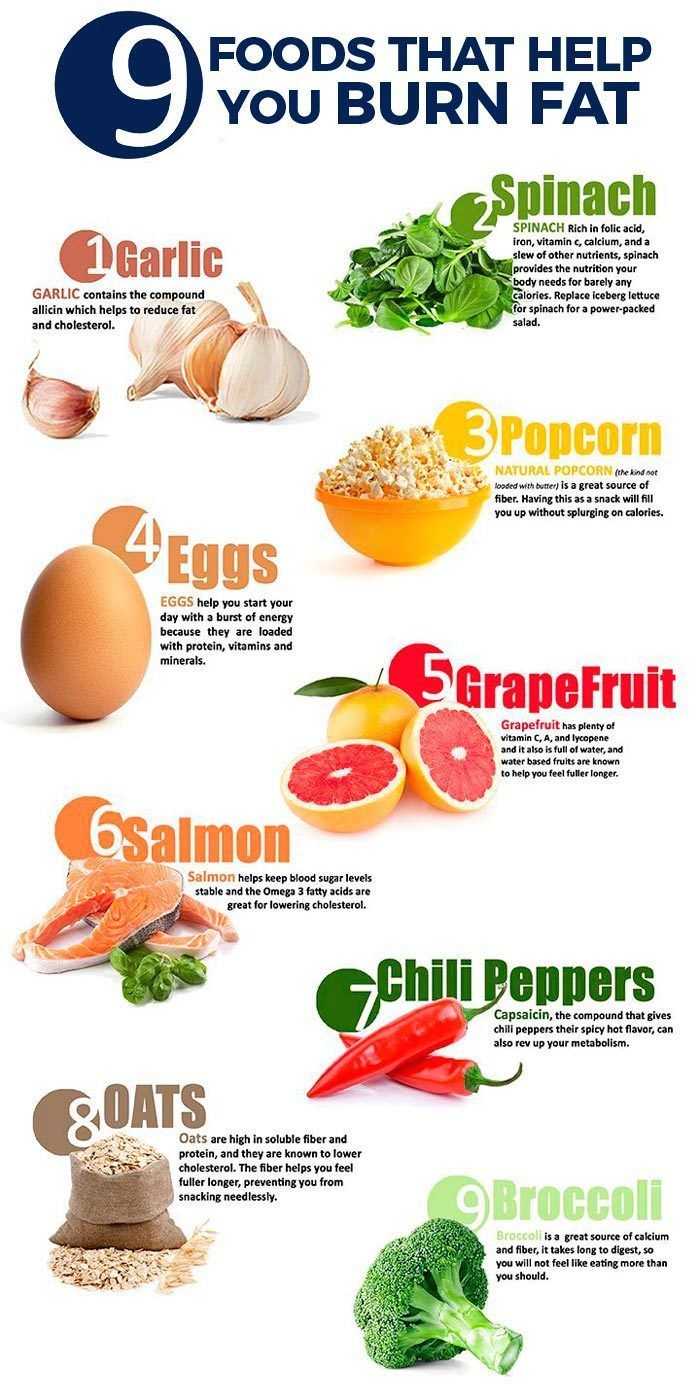
Introduction:
Welcome to our panel discussion on the Mediterranean diet and its impact on cholesterol levels. In recent years, the Mediterranean diet has gained popularity for its numerous health benefits, including reducing the risk of heart disease. Today, we have gathered a group of experts in nutrition and cardiology to delve deeper into this topic and explore how following a Mediterranean diet can help maintain healthy cholesterol levels.
1. Understanding Cholesterol:
To start off, let’s briefly understand what cholesterol is. Cholesterol is a waxy substance present in our bodies that plays a vital role in various bodily functions. However, when levels become too high, it can lead to an increased risk of heart disease.
2. What is the Mediterranean Diet?
The Mediterranean diet is inspired by traditional eating habits from countries bordering the Mediterranean Sea. It emphasizes consumption of fruits, vegetables, whole grains, legumes, nuts, seeds, olive oil as the primary source of fat and moderate intake of fish and poultry. Red meat and processed foods are limited.
3. The Role of Healthy Fats:
One key aspect of the Mediterranean diet is its emphasis on consuming healthy fats like monounsaturated fats found in olive oil and avocados. These fats have been shown to increase HDL (good) cholesterol while lowering LDL (bad) cholesterol levels.
4. Rich in Antioxidants:
Another significant factor contributing to the positive effects on cholesterol levels is the abundance of antioxidants found in fruits and vegetables consumed as part of this dietary pattern. Antioxidants help reduce inflammation within blood vessels which can contribute to plaque buildup leading to high cholesterol.
5. High Fiber Content:
Fiber-rich foods such as whole grains, legumes, fruits, and vegetables play an essential role in managing healthy cholesterol levels by helping lower LDL cholesterol effectively.
6.The Importance of Omega-3 Fatty Acids:
Fish like salmon or sardines are staples in the Mediterranean diet due to their high omega-3 fatty acid content. These healthy fats have been found to lower triglyceride levels and reduce the risk of heart disease.
7. Reducing Processed Foods:
One of the reasons the Mediterranean diet is effective in maintaining healthy cholesterol levels is due to its avoidance of processed foods that are typically high in trans fats, unhealthy oils, and added sugars. These can raise LDL cholesterol levels and increase cardiovascular risks.
8. The Mediterranean Diet as a Lifestyle:
Lastly, it’s crucial to view the Mediterranean diet not just as a short-term fix but rather as a long-term lifestyle choice for overall health and well-being. Regular physical activity, moderate wine consumption (if desired), and mindful eating habits are all vital components that complement the positive effects on cholesterol levels.
Conclusion:
In conclusion, adopting a Mediterranean diet has proven benefits for managing healthy cholesterol levels. By focusing on nutrient-dense whole foods rich in antioxidants, fiber, healthy fats, and reducing processed food intake, individuals can significantly improve their lipid profile while enjoying a delicious range of flavors from this cuisine. Remember to consult with your healthcare provider or registered dietitian before making any significant dietary changes to ensure it aligns with your specific needs and medical conditions.

Leave a Reply