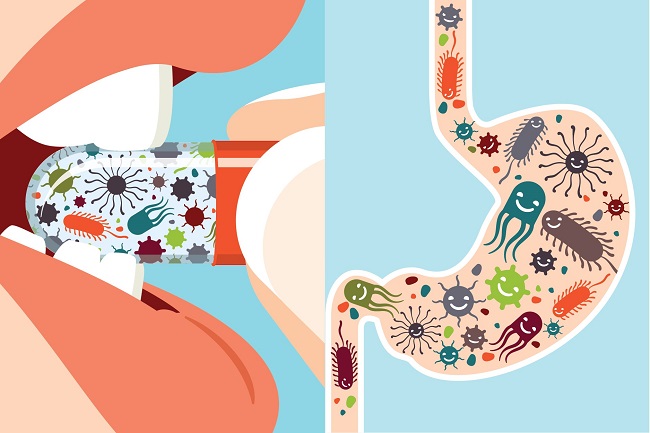
The human body is home to trillions of microorganisms, including bacteria, viruses, fungi, and other microbes. These microbes play a crucial role in maintaining our overall health and well-being. Among them, the gut microbiome – the collection of microorganisms residing in our digestive tract – has gained significant attention in recent years.
Gut microbiome diversity refers to the variety of different types of microorganisms present in the gut. Research has shown that a diverse gut microbiome is associated with good health, while a lack of diversity may contribute to various health issues such as obesity, diabetes, autoimmune diseases, and even mental health disorders.
So how can we promote gut microbiome diversity? One effective way is through consuming prebiotics. Prebiotics are non-digestible fibers found in certain foods that serve as food for beneficial bacteria in the gut. By nourishing these beneficial bacteria, prebiotics help support a healthy and diverse gut microbiome.
One well-known example of a prebiotic is dietary fiber. Fiber-rich foods like fruits, vegetables (especially leafy greens), whole grains, legumes (beans and lentils), and nuts provide nourishment for our gut bacteria. Including these foods regularly in your diet can help increase microbial diversity.
Another type of prebiotic gaining recognition is resistant starches. Resistant starches are carbohydrates that resist digestion in the small intestine and reach the large intestine intact where they become food for beneficial bacteria. Foods high in resistant starch include green bananas or plantains (which can be cooked or used as flour), cooked then cooled potatoes or rice (such as potato salad or sushi rice), and legumes like chickpeas or lentils.
In addition to increasing microbial diversity directly through prebiotic consumption, it’s also important to note that a diverse diet itself plays a role too. Eating a wide range of fruits, vegetables from different groups (such as cruciferous veggies like broccoli, leafy greens like spinach, and colorful produce like berries), whole grains, lean proteins, and healthy fats can provide a variety of nutrients that support the growth of different types of gut bacteria.
It’s worth mentioning that while prebiotics are beneficial for promoting gut microbiome diversity, they work hand in hand with probiotics. Probiotics are live microorganisms found in certain foods or supplements that can directly introduce beneficial bacteria into the gut. Consuming both prebiotics and probiotics together can have synergistic effects on gut health.
In conclusion, maintaining a diverse gut microbiome is crucial for overall health. Including prebiotic-rich foods such as dietary fiber and resistant starches in your diet can help nourish beneficial bacteria and promote microbial diversity. Coupled with a varied diet, incorporating these prebiotics into your meals will set the stage for a thriving gut microbiome and improved well-being.

Leave a Reply