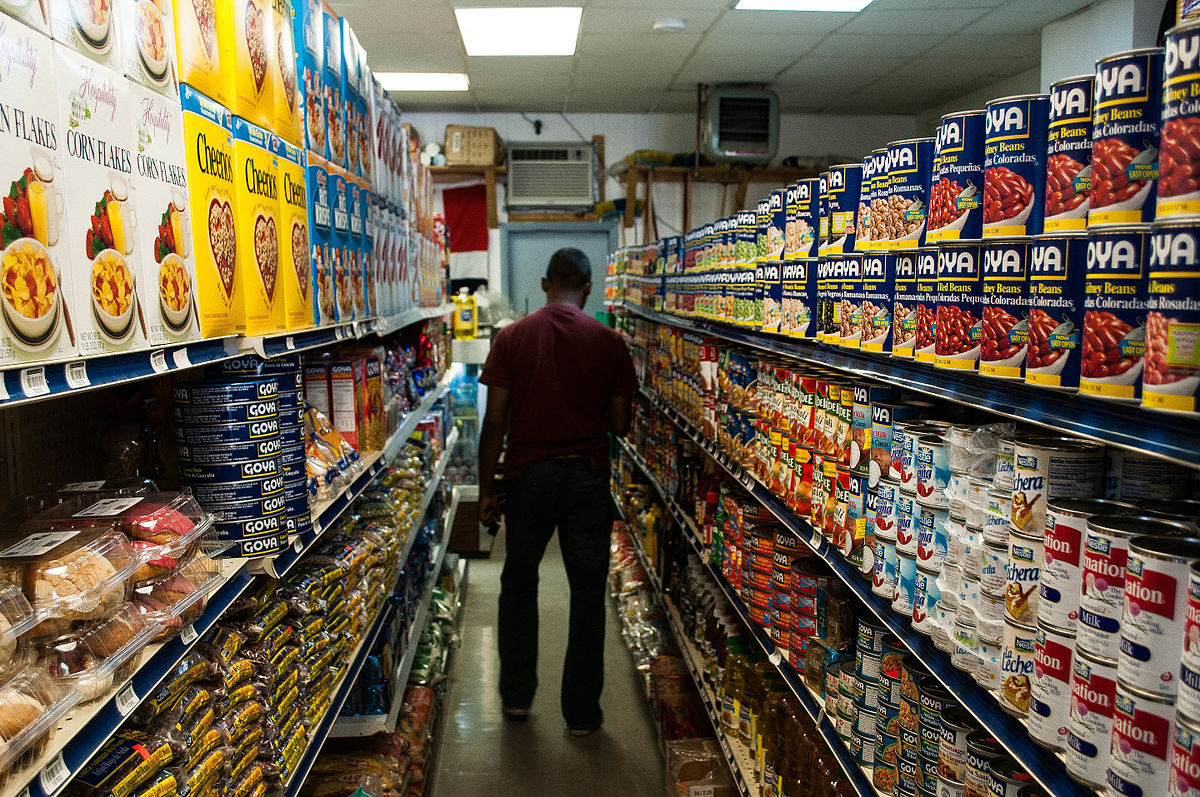
Food Deserts: Understanding the Barriers to Healthy Eating
In our modern world, access to fresh and nutritious food is often taken for granted. We stroll through grocery store aisles packed with colorful fruits and vegetables, browse farmers’ markets brimming with locally grown produce, and have an abundance of choices when it comes to nourishing our bodies. However, not everyone enjoys this luxury. In certain communities across the nation, there are areas known as “food deserts” where access to healthy food options is severely limited.
So, what exactly is a food desert? It refers to an area where there is a lack of affordable and quality fresh produce, whole grains, lean proteins, and other nutritious foods within a reasonable distance from one’s home. This scarcity places residents at a disadvantage when it comes to making healthy food choices.
There are several factors that contribute to the emergence of food deserts. One significant factor is socio-economic status. Low-income neighborhoods are more likely to be affected by this issue due to limited financial resources and fewer grocery stores willing or able to operate in these areas. As a result, residents may resort to purchasing cheaper processed foods that are high in calories but low in nutritional value.
Another contributing factor is geographic location. Rural areas often face challenges due to their distance from urban centers where most grocery stores are located. Limited public transportation options can make traveling long distances even more difficult for those without personal vehicles.
Even within city limits, some neighborhoods suffer from inadequate access despite being surrounded by numerous shops and supermarkets. This phenomenon can occur due to gentrification or economic disparities between different parts of the same city.
The consequences of living in a food desert extend beyond physical health issues such as obesity and diet-related diseases like diabetes or heart conditions; they also impact mental well-being. The stress resulting from constantly worrying about where your next meal will come from can lead to increased anxiety levels and reduced overall quality of life.
Addressing the issue of food deserts requires a multi-faceted approach. Local governments and community organizations play a crucial role in advocating for change. Initiatives such as building community gardens, establishing farmers’ markets, or offering incentives to grocery stores to open in food desert areas have shown promise.
Educating residents about healthy eating habits and providing cooking classes can empower individuals to make better choices with the limited resources available to them. Additionally, improving access to public transportation or implementing mobile food markets can help bridge the gap for those living in remote areas.
It is essential that we recognize the existence of food deserts and work towards eliminating this disparity. By promoting equitable access to nutritious foods, we not only improve individual health but also foster stronger communities where everyone has an equal opportunity to thrive.

Leave a Reply