Edamame: A Nutritious Plant-Based Protein Option
In recent years, there has been a growing interest in plant-based protein sources as more individuals embrace a healthier lifestyle. One such option that has gained popularity is edamame. Derived from young soybeans, edamame is not only a versatile ingredient but also packed with essential nutrients. In this article, we will explore the benefits of incorporating edamame into your diet and how it can contribute to your overall health.
1. What is Edamame?
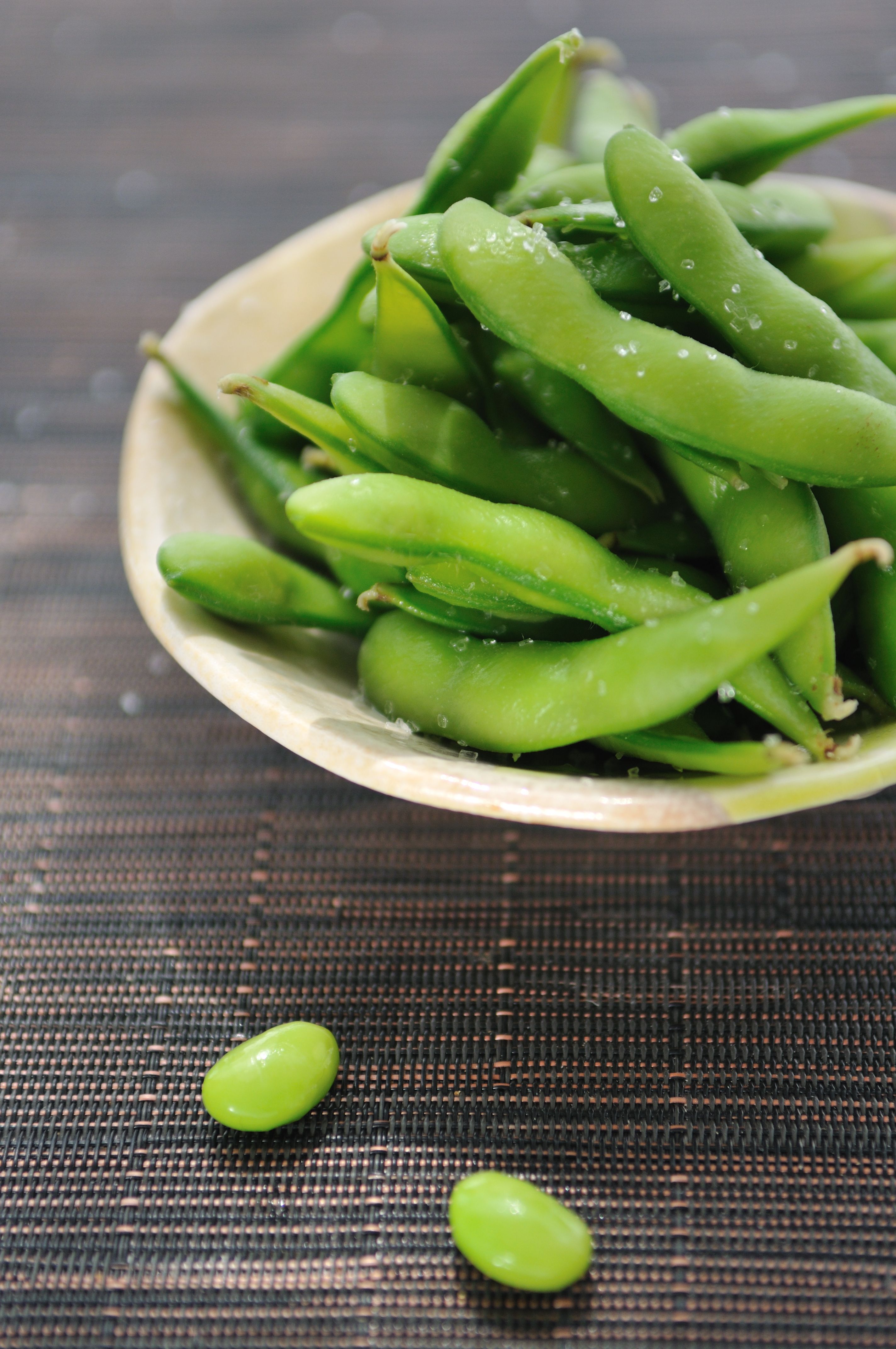
Edamame refers to immature green soybeans that are harvested before they fully ripen or harden. Originating from East Asia, particularly China and Japan, edamame has become widely recognized for its nutritional value and culinary versatility. These bright green pods house the tender beans inside.
2. Nutritional Profile of Edamame
Edamame offers an impressive array of nutrients necessary for maintaining good health. It is rich in high-quality plant-based protein (around 18 grams per cup), making it an excellent choice for vegetarians and vegans looking to meet their protein needs without relying on animal products.
3. Complete Source of Protein
What sets edamame apart from other plant-based proteins is that it contains all nine essential amino acids required by our bodies to function optimally. This makes it a complete source of protein, similar to animal-derived proteins like eggs or meat.
4. Fiber Powerhouse
In addition to being an excellent source of protein, edamame boasts high fiber content too – around 8 grams per cup! Dietary fiber plays a crucial role in regulating digestion, promoting satiety, and maintaining healthy blood sugar levels.
5. Rich in Essential Minerals
By including edamame in your diet, you can benefit from its mineral-rich composition as well. This nutritious legume provides notable amounts of iron (important for oxygen transport), magnesium (essential for muscle and nerve function), and phosphorus (essential for bone health).
6. Heart-Healthy Fats
Edamame contains heart-healthy fats, including omega-3 and omega-6 fatty acids. These unsaturated fats have been associated with various health benefits, such as reducing inflammation, improving brain function, and supporting heart health.
7. Antioxidant Powerhouse
Another remarkable aspect of edamame is its abundance of antioxidants. These compounds help protect our cells from damage caused by free radicals, which are unstable molecules that can contribute to chronic diseases like cancer and heart disease.
8. Isoflavones: A Unique Component
One particular class of antioxidants found in edamame is isoflavones. Soybeans are the primary dietary source of these plant compounds, which have been linked to numerous potential health benefits, including a reduced risk of certain cancers and improved bone density in postmenopausal women.
9. Versatile Culinary Uses
Edamame’s versatility extends beyond its nutritional value; it can be incorporated into a variety of dishes to enhance both taste and texture. Whether added to salads, stir-fries, soups or enjoyed on their own as a snack – the options are endless!
10. Easy Preparation Methods
Preparing edamame couldn’t be simpler! You can find them conveniently available frozen or fresh at most grocery stores. To enjoy this nutritious legume as a snack or appetizer, simply boil or steam the pods until tender before seasoning them with salt or other desired flavors.
11. Potential Considerations
While edamame offers numerous health benefits, it’s important to note that individuals with soy allergies should avoid consuming this legume due to potential adverse reactions. Additionally, those taking medications affected by estrogen levels should consult their healthcare provider before significantly increasing their intake of soy-based products.
12. Conclusion
Edamame presents an excellent alternative protein option for individuals seeking plant-based sources that pack a nutritional punch. With its high protein content, fiber-rich composition, essential minerals, heart-healthy fats, and antioxidant properties, edamame can support various aspects of our health. As part of a balanced diet, incorporating this versatile legume into your meals can contribute to overall well-being and help you meet your dietary goals.

Leave a Reply