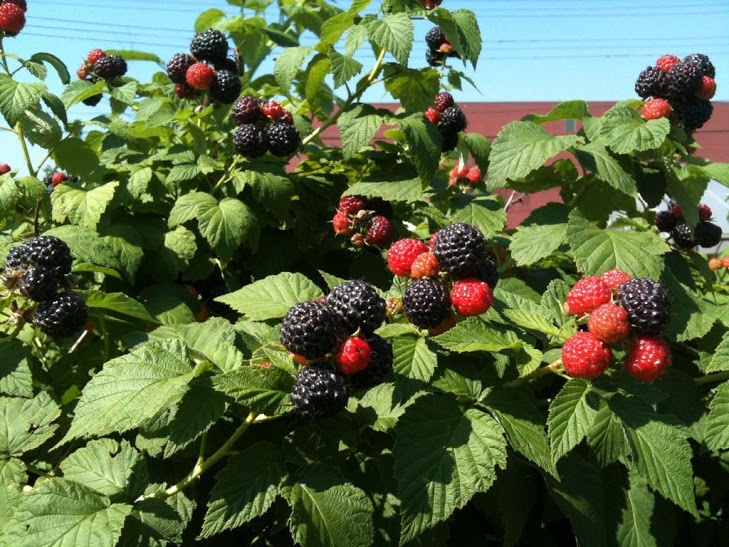
Sustainable Raspberry Farming Practices: A Financially Rewarding Endeavor
In recent years, there has been a growing emphasis on sustainable farming practices across the globe. As consumers become more conscious of the environmental impact of their food choices, sustainable agriculture has emerged as a viable solution to ensure a healthier planet for future generations. One such sector that has embraced these practices is raspberry farming.
Raspberries are not only delicious and nutritious but also offer numerous health benefits. They are packed with antioxidants, vitamins, and fiber, making them an ideal addition to any healthy diet. However, the traditional methods of raspberry cultivation often involve excessive pesticide use and high water consumption – practices that are detrimental to both the environment and farmers’ bottom line.
Fortunately, sustainable raspberry farming practices have gained traction in recent years due to their positive impact on both the ecosystem and financial returns. By implementing these practices, farmers can reduce their reliance on harmful chemicals while simultaneously improving crop yield and profitability.
One key aspect of sustainable raspberry farming is integrated pest management (IPM), which focuses on natural pest control methods rather than relying solely on chemical pesticides. This approach involves monitoring pests closely throughout the growing season and using biological controls such as beneficial insects or organic sprays when necessary. Not only does IPM minimize harm to pollinators and other beneficial organisms, but it also reduces input costs associated with chemical pesticides.
Another vital component of sustainable raspberry farming is efficient water management. Raspberries thrive in well-drained soil but require consistent moisture levels to produce optimal yields. To conserve water resources, many farmers have turned to precision irrigation techniques such as drip irrigation or micro-sprinklers. These methods deliver water directly to the plants’ root zones while minimizing evaporation losses compared to traditional overhead sprinklers or flood irrigation systems. By reducing water usage through smart irrigation strategies, farmers not only contribute positively towards global sustainability goals but also save money by decreasing utility bills.
Additionally, sustainable raspberry farmers prioritize soil health through practices like crop rotation and cover cropping. Crop rotation involves alternating the planting of raspberries with other compatible crops, such as legumes or grains, to replenish nutrients in the soil naturally. Cover cropping involves sowing a non-commercial plant species between rows or during off-seasons to prevent erosion, improve soil structure, and increase organic matter content. These practices lead to healthier soils that require fewer synthetic fertilizers while enhancing long-term productivity and reducing input costs.
Beyond the environmental benefits, adopting sustainable raspberry farming practices can also result in financial rewards for farmers. By reducing input costs associated with chemical pesticides and excessive water usage, farmers can allocate resources towards improving infrastructure or investing in specialized equipment that further enhances productivity. Additionally, there is an increasing market demand for sustainably grown raspberries, which often fetch premium prices compared to conventionally produced fruits.
In conclusion, sustainable raspberry farming practices offer a win-win solution for both the environment and farm profitability. By implementing integrated pest management techniques, efficient water management strategies, and prioritizing soil health through crop rotation and cover cropping methods; farmers can reduce their ecological footprint while reaping financial rewards. As consumers continue to prioritize healthy eating choices and environmentally friendly options; embracing sustainability in raspberry farming not only contributes positively towards global food security but also ensures a brighter future for generations to come.

Leave a Reply